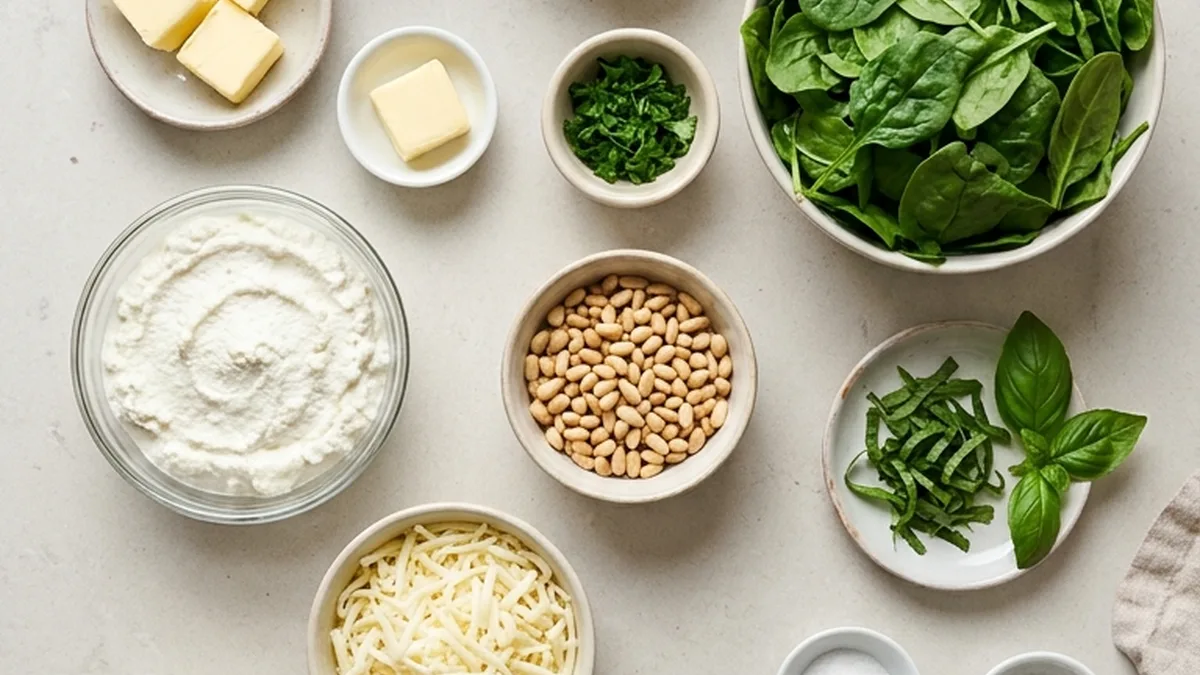
Ingredients
Method
Method
- Brown the Butter: Place the 1 cup (227 g) unsalted butter in a medium light-colored saucepan over medium heat. Stir or swirl the pan as the butter melts, foams, and begins to sizzle. Continue cooking until the small particles at the bottom turn golden amber and the butter smells toasted and nutty, approximately 5–8 minutes.
- Immediately pour the butter, including the browned bits, into a heatproof mixing bowl. If the solids turn black or smell burnt, start again rather than using the butter.
- Toast the Pecans: Preheat the oven to 350°F (175°C). Spread the 1 1/2 cups (165 g) roughly chopped pecans evenly on a parchment-lined baking sheet.
- Toast for approximately 6–8 minutes, stirring halfway through, until fragrant and slightly darker. Watch closely because pecans can burn quickly. Set aside to cool while preparing the dough.
- Cool the Browned Butter: Let the browned butter cool for approximately 15 minutes, until warm rather than hot. It should remain liquid but should be cool enough to combine safely with the remaining dough ingredients.
- Cooling the butter also reduces the risk of dissolving the sugar excessively and producing an overly loose dough.
- Mix the Wet Ingredients: Add 1 cup packed (200 g) light brown sugar and 1/2 cup (100 g) granulated sugar to the cooled browned butter. Whisk until evenly combined.
- Add the 2 large eggs and 2 teaspoons (10 mL) vanilla extract. Whisk until the mixture looks smooth, thick, and glossy, with no visible streaks of the liquid ingredients.
- Combine the Dry Ingredients: In a separate bowl, whisk together 2 1/2 cups (300 g) all-purpose flour, 1 teaspoon baking soda, 1/2 teaspoon baking powder, and 3/4 teaspoon fine salt.
- Mix thoroughly so the leavening agents and salt are evenly distributed throughout the flour.
- Make the Cookie Dough: Add the dry ingredients to the wet mixture. Fold gently with a sturdy spatula until only a few flour streaks remain.
- Fold in the cooled toasted pecans until evenly distributed. The dough should be thick, soft, and slightly sticky, with visible pecan pieces throughout.
- If the dough seems unusually loose, allow it to stand briefly before judging its consistency. Avoid adding extra flour, which could make the cookies dry.
- Chill the Dough: Cover the bowl and refrigerate the dough for 1 hour.
- The dough should become firmer and easier to scoop. Chilling helps limit spreading and allows the flour to absorb moisture.
- If the dough becomes too firm to scoop comfortably, let it soften slightly at room temperature.
- Portion the Cookies: Keep the oven at 350°F (175°C) and line two large 13 × 18-inch (33 × 46 cm) baking sheets with parchment paper.
- Divide the dough into 24 portions, using a 1 1/2-tablespoon (22 mL) cookie scoop as a portioning guide. Space the portions approximately 2 inches (5 cm) apart to allow for spreading.
- Shape any irregular portions gently without tightly compressing the dough.
- Bake Until the Edges Are Golden: Bake one sheet at a time on the center oven rack at 350°F (175°C) for approximately 10–12 minutes per batch, or until the edges are golden brown and set while the centers still look slightly soft.
- The cookies may appear a little puffed when removed from the oven. They will settle as they cool.
- If the centers look wet and shiny rather than softly set, continue baking briefly and check again.
- Cool and Finish: If using the optional topping, sprinkle the warm cookies with 1/2 teaspoon flaky sea salt, distributed across the batch.
- Let the cookies cool on the baking sheets for 5 minutes before transferring them to a wire rack.
- Allow approximately 10 more minutes for cooling before serving. The edges should firm up while the centers remain tender and chewy.
Notes
Chilling the dough helps limit excessive spreading in the oven.