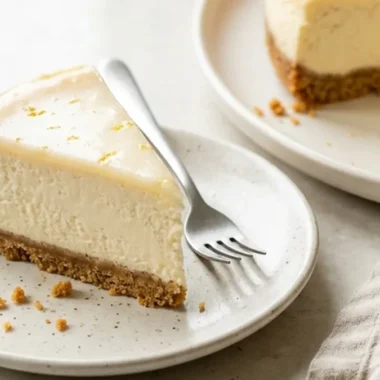
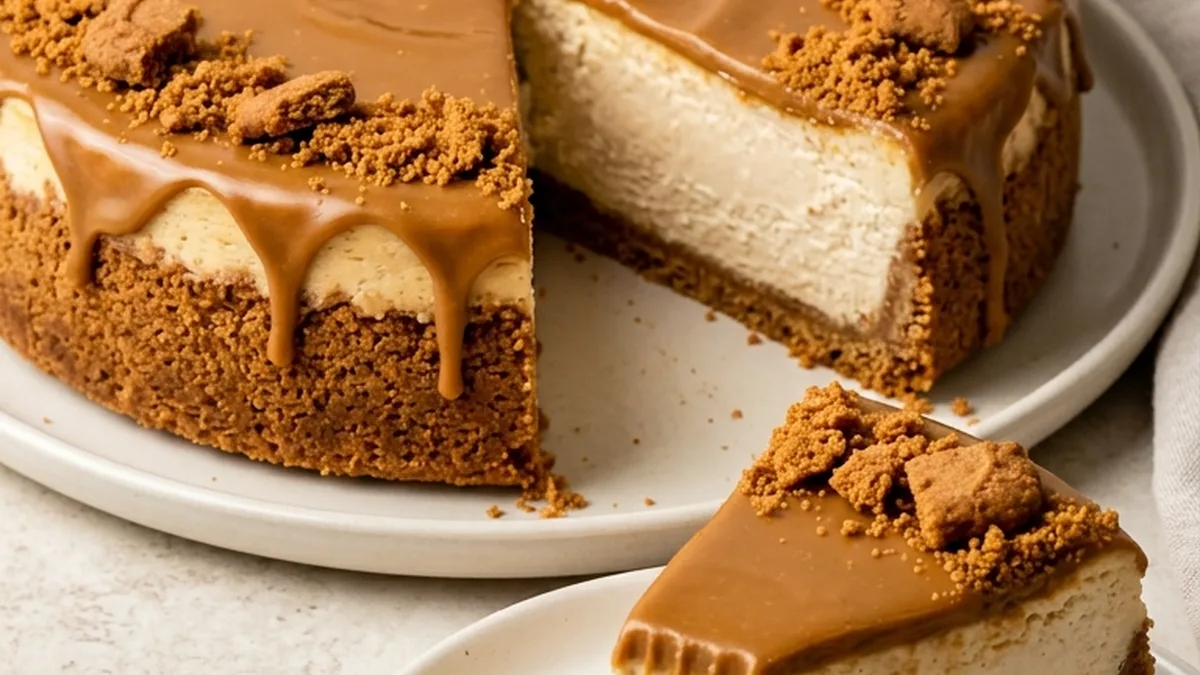
This Biscoff Cheesecake combines a buttery Lotus Biscoff cookie crust, a rich and creamy cookie butter filling, and a smooth layer of melted Biscoff spread. Every bite has the warm caramelized flavor and subtle cinnamon spice of Biscoff cookies, balanced by the tanginess of cream cheese. The crunchy base contrasts with the soft, mousse-like filling, creating a layered dessert with plenty of texture.
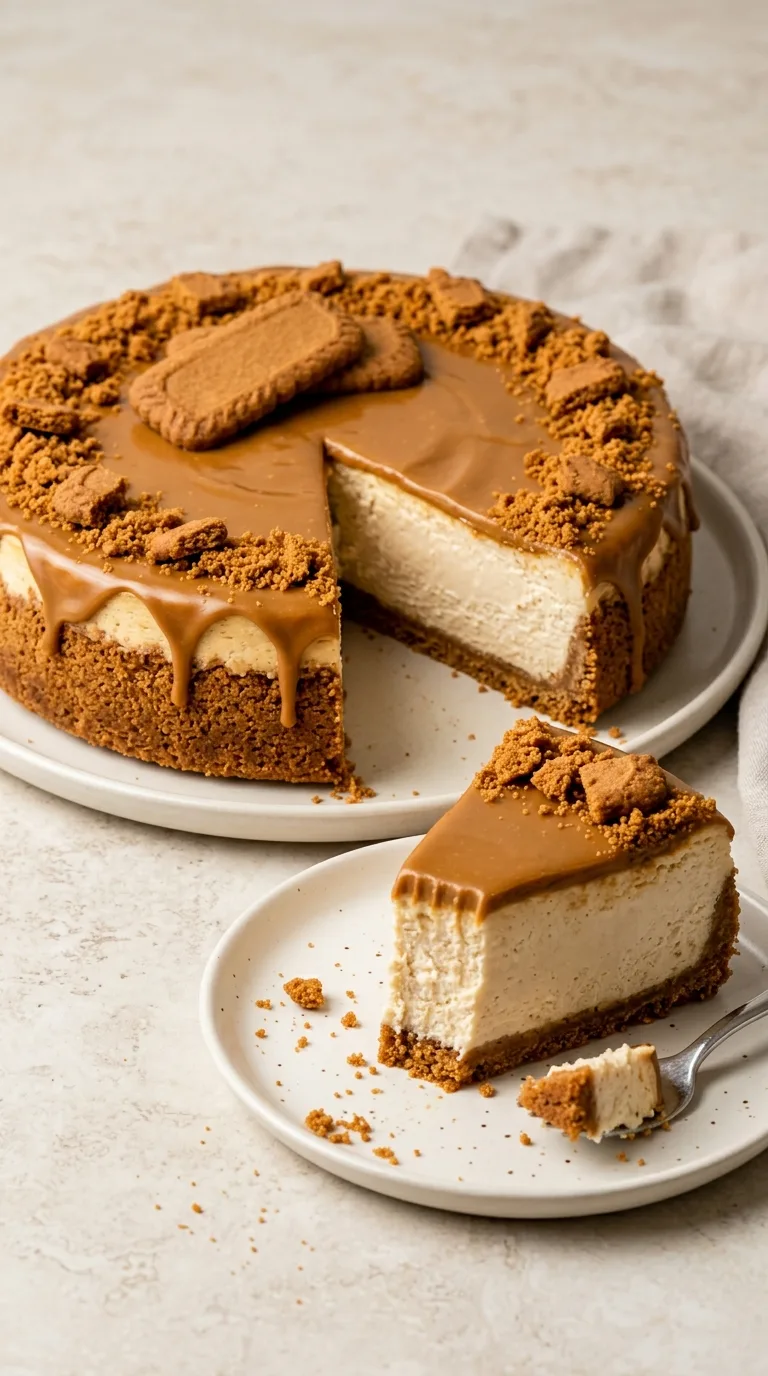
This version is completely no-bake, so there's no oven, water bath, or complicated baking technique involved. The filling gets its structure from full-fat cream cheese and whipped heavy cream, while the melted cookie butter topping sets into a soft, sliceable layer. Plan for at least 8 hours of refrigeration before serving, making this cheesecake a convenient dessert to prepare the day before a gathering.
Recipe at a Glance
Biscoff Cheesecake
No-bake cookie butter cheesecake with a Biscoff cookie crust and glossy topping.
Prep Time
30 minutes
Cook Time
0 minutes
Additional Time
8 hours 30 minutes
Total Time
9 hours
Yield
One 9-inch cheesecake, 12 slices
Servings
12
Category
Dessert
Cuisine
American
Cooking Method
No-Bake
Difficulty
Easy
Calories Per Serving
Not calculated
Why This Recipe Works
- Biscoff cookies create a sturdy, flavorful crust. Their crisp texture and caramelized flavor make a firm base when combined with melted butter and chilled.
- Full-fat cream cheese provides structure. Its thick consistency gives the cheesecake a rich, tangy filling that can hold its shape without gelatin.
- Whipped heavy cream makes the filling lighter. Folding whipped cream into the cream cheese mixture creates a smooth, airy texture instead of a dense, heavy cheesecake.
- Cookie butter adds flavor throughout. Biscoff spread is mixed directly into the filling and used as a topping, so the caramelized cookie flavor is present in every layer.
- Extended chilling helps the cheesecake set. Refrigeration allows the butter in the crust and the fats in the filling to firm up, making the cheesecake easier to slice cleanly.
Equipment Needed
- 9-inch (23 cm) springform pan, approximately 2¾ to 3 inches deep
- Food processor or sturdy zip-top bag and rolling pin
- Electric hand mixer or stand mixer with whisk attachment
- Two large mixing bowls
- Flexible silicone spatula
- Offset spatula or the back of a spoon
- Microwave-safe bowl or small saucepan for melting butter and cookie butter
- Measuring cups, measuring spoons, and kitchen scale
Ingredients List
For the Biscoff Cookie Crust:
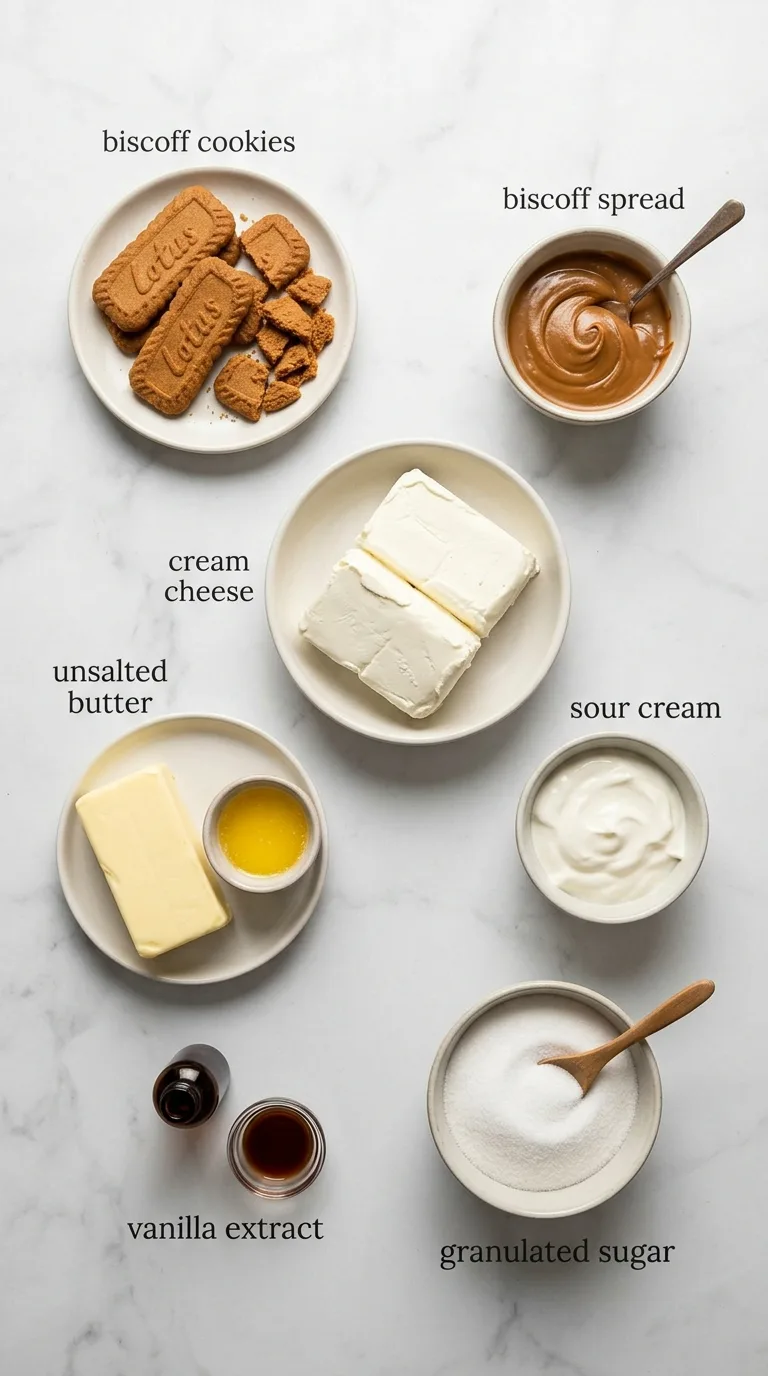
- 9 ounces (255 g) Lotus Biscoff cookies, finely crushed
- 6 tablespoons (85 g) unsalted butter, melted and slightly cooled
For the Cheesecake Filling:
- 24 ounces (680 g) full-fat brick-style cream cheese, softened to room temperature
- 1 cup (250 g) smooth Lotus Biscoff cookie butter spread, at room temperature
- 3/4 cup (90 g) powdered sugar, sifted
- 1 teaspoon (5 ml) vanilla extract
- 1 1/4 cups (300 ml) cold heavy whipping cream, at least 36% milk fat
For the Biscoff Topping:
- 1/2 cup (125 g) smooth Lotus Biscoff cookie butter spread, warmed until pourable
- 4 Lotus Biscoff cookies (about 30 g), crushed, optional, for garnish
- 4 whole Lotus Biscoff cookies (about 30 g), optional, for decoration
Ingredient Notes and Substitutions
Lotus Biscoff Cookies
These crisp, caramelized cookies form the base of the cheesecake. Their spiced flavor complements the cookie butter filling, while their fine crumbs combine easily with melted butter.
You can substitute another crisp speculoos-style cookie in the same weight. Graham crackers can also work, but they produce a milder crust with less caramelized spice flavor. Avoid soft cookies, which may create a dense or soggy base.
Full-Fat Cream Cheese
Brick-style cream cheese provides the body and tanginess needed for a cheesecake that sets without baking. Let it soften before mixing to prevent lumps.
Other full-fat block cream cheese brands can be used, but whipped cream cheese or soft cream cheese sold in tubs is not a reliable direct substitute. Those products may contain more moisture or air, resulting in a softer filling that does not hold its shape as well.
Biscoff Cookie Butter Spread
Smooth Biscoff spread gives the cheesecake its characteristic caramelized cookie flavor and contributes richness to the filling.
Another smooth speculoos cookie butter can replace it in the same quantity. Flavor and sweetness may vary by brand. Crunchy cookie butter can be used, although the filling and topping will not have the same silky texture.
Heavy Whipping Cream
Heavy whipping cream creates the light, mousse-like consistency of this no-bake cheesecake. Its fat content helps the filling hold its shape after whipping and chilling.
Use cream containing at least 36% milk fat for dependable structure. Regular milk, half-and-half, and light cream cannot be substituted because they will not whip into a stable foam.
Powdered Sugar
Powdered sugar sweetens the filling while dissolving smoothly into the cream cheese. It also helps maintain a fine, creamy texture.
Commercial confectioners' sugar is the most reliable choice. Granulated sugar is not recommended as a direct substitute because its crystals may remain noticeable in the uncooked filling.
Step-by-Step Instructions
Prepare the Biscoff Cookie Crumbs
Place the 9 ounces (255 g) of Biscoff cookies in a food processor and pulse until finely crushed. The crumbs should resemble coarse sand, with no large pieces remaining. Alternatively, crush the cookies in a sealed zip-top bag using a rolling pin.
Make and Chill the Crust
Combine the cookie crumbs with 6 tablespoons (85 g) melted butter. Stir until evenly moistened. The mixture should resemble damp sand and hold together when squeezed. Transfer to a 9-inch (23 cm) springform pan. Press firmly and evenly across the bottom using the base of a measuring cup or glass. Refrigerate for 30 minutes while preparing the filling.
Beat the Cream Cheese and Cookie Butter
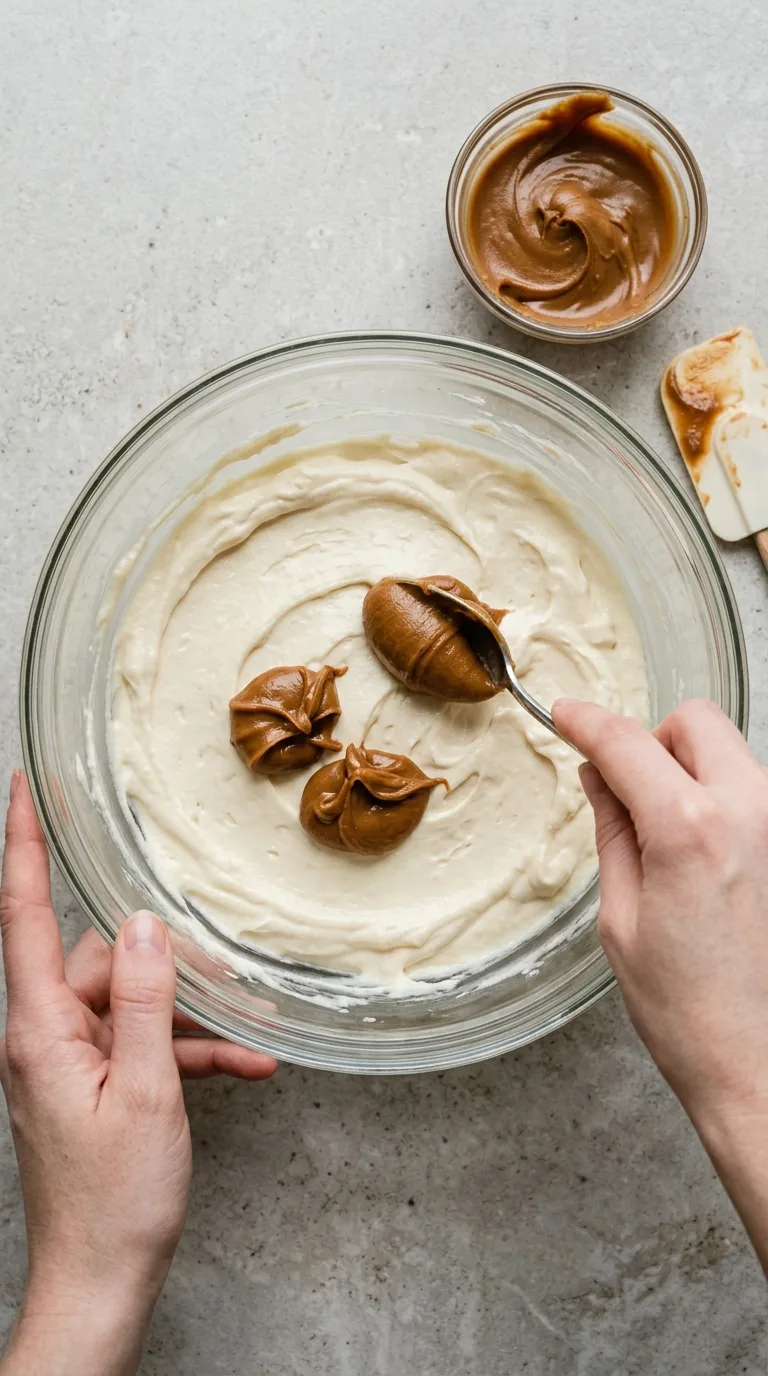
Place the softened cream cheese in a large mixing bowl. Beat with an electric mixer on medium speed for 1–2 minutes until smooth and free of lumps. Add the 1 cup (250 g) Biscoff spread and continue mixing until fully incorporated. Scrape the sides and bottom of the bowl to prevent streaks of unmixed cream cheese.
Add the Sugar and Vanilla
Add the ¾ cup (90 g) sifted powdered sugar and 1 teaspoon (5 ml) vanilla extract. Mix on low speed initially, then increase to medium until the filling is thick, smooth, and evenly colored. It should have a soft caramel-beige appearance without visible sugar or cream cheese lumps.
Whip the Heavy Cream
In a separate chilled mixing bowl, beat the 1¼ cups (300 ml) cold heavy whipping cream on medium-high speed until stiff peaks form, approximately 2–4 minutes depending on the mixer. The whipped cream should hold its shape when the beaters are lifted, with peaks that stand upright. Stop before the mixture becomes grainy or begins separating.
Fold the Whipped Cream Into the Filling
Add about one-third of the whipped cream to the Biscoff cream cheese mixture. Fold gently with a silicone spatula to loosen the filling. Add the remaining whipped cream in two additions, folding until no white streaks remain. The finished mixture should be thick, fluffy, and smooth. Avoid vigorous stirring, which can deflate the whipped cream and make the cheesecake denser.
Fill the Springform Pan
Remove the chilled crust from the refrigerator. Spoon the cheesecake filling over the base and spread it evenly with an offset spatula. Gently smooth the surface, pushing the filling toward the edges to eliminate large air pockets. The filling should hold soft ridges rather than flow like liquid.
Refrigerate Until Firm
Cover the pan without touching the surface of the filling and refrigerate for at least 6 hours. The cheesecake should feel firm around the edges, with a center that holds its shape when the pan is gently moved. If the center remains noticeably loose, continue chilling before adding the topping.
Prepare and Spread the Biscoff Topping
Warm the ½ cup (125 g) Biscoff spread in a microwave-safe bowl in 10-second intervals, stirring between each interval, until fluid and pourable. Alternatively, warm it gently in a small saucepan over low heat. Allow the spread to cool slightly until just warm, not hot. Pour it over the chilled cheesecake and gently tilt the pan or use an offset spatula to create an even layer.
Chill the Topping and Decorate
Return the cheesecake to the refrigerator for at least 2 hours, allowing the topping to firm up and the filling to finish setting. Just before serving, sprinkle the optional 4 crushed Biscoff cookies around the edge. Arrange the optional 4 whole cookies on top for decoration. Adding the cookies close to serving helps preserve their crunch.
Unmold, Slice, and Serve
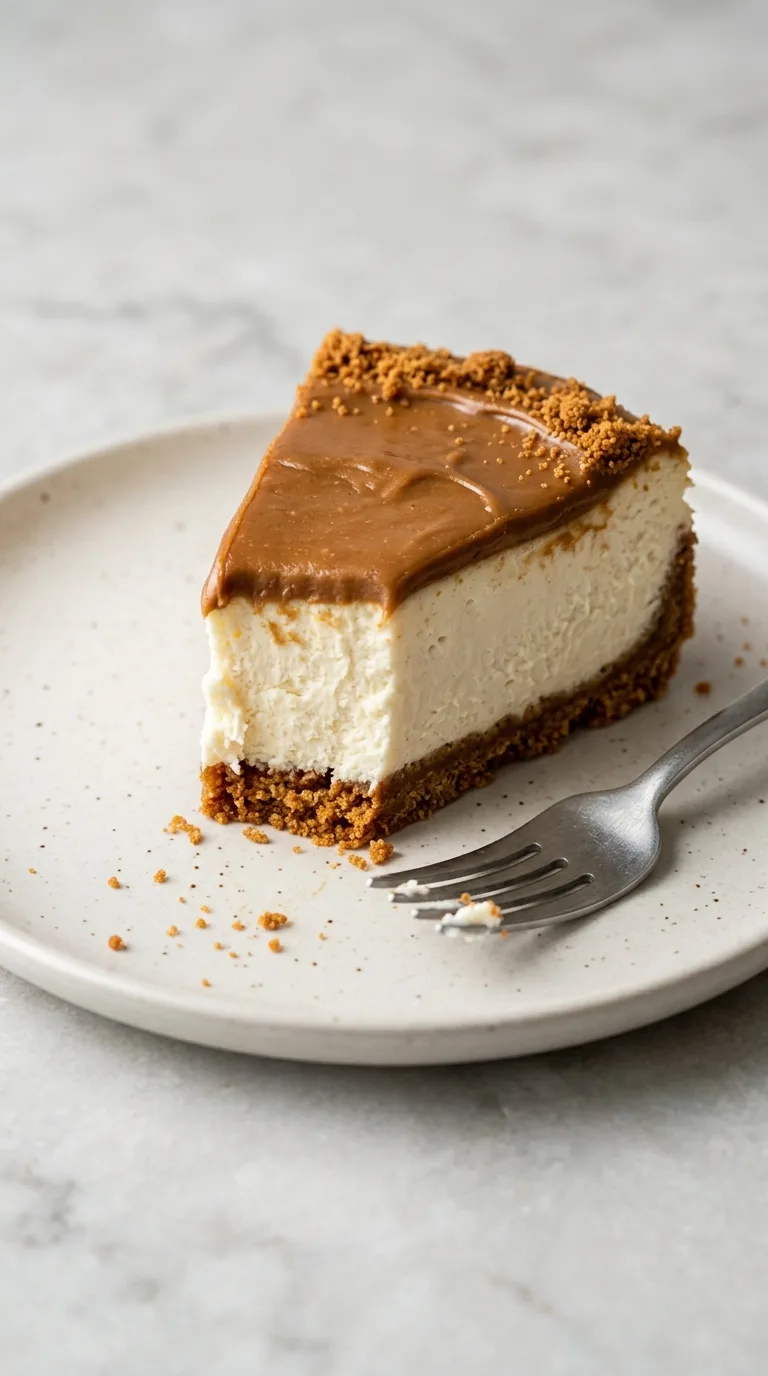
Run a thin knife around the inside edge of the springform pan, then carefully release the ring. Slice the chilled cheesecake into 12 portions using a sharp knife dipped in hot water and wiped dry between cuts. Serve cold for the cleanest slices and the firmest, creamiest texture.
Tips for Success
- Use room-temperature cream cheese. Cold cream cheese can leave small lumps that become difficult to remove after the whipped cream has been folded in. Softened cream cheese should yield easily when pressed but should not be melted. Keep the whipping cream cold. Cold cream whips more efficiently and forms a more stable foam. Chilling the bowl and beaters can help, particularly in a warm kitchen. Press the crust firmly, but not excessively. A loosely packed crust may crumble when sliced, while one compressed too tightly can become difficult to cut. Aim for a compact, even layer. Use the right consistency of cookie butter for the topping. It should pour easily but should not be hot enough to soften the cheesecake beneath it. Let it cool slightly if it feels very warm. Allow the full chilling time. The filling relies on refrigeration for structure. Cutting it too early can result in soft, uneven slices, even when the edges appear firm. Protect the cheesecake from excess moisture. Keep it covered in the refrigerator, but avoid letting plastic wrap touch the topping. Moisture droplets can affect its smooth appearance.
Storage, Freezing, and Make-Ahead Instructions
Refrigerator Storage
Store Biscoff Cheesecake in the refrigerator in an airtight cake container or covered springform pan for up to 4 days.
Keep it chilled until ready to serve. Because the filling contains cream cheese and whipped cream, avoid leaving the cheesecake at room temperature for more than 2 hours, or 1 hour when temperatures exceed 90°F (32°C).
For the freshest presentation, add the crushed and whole Biscoff cookie decorations immediately before serving. Cookies placed on the cheesecake too early can absorb moisture and lose their crunch.
Freezing Instructions
This cheesecake can be frozen for up to 2 months for best quality.
For easier handling, freeze the cheesecake without the cookie decorations. Once the cheesecake is firm, wrap it tightly in plastic wrap, followed by aluminum foil, or place individual slices in airtight freezer-safe containers.
The cookie butter topping can be frozen with the cheesecake, although its appearance may change slightly after thawing.
To thaw, transfer the cheesecake to the refrigerator overnight. Avoid thawing at room temperature, which can soften the filling unevenly and cause condensation.
Make-Ahead Instructions
Biscoff Cheesecake is well suited to making ahead because the filling needs several hours to set.
Prepare the cheesecake one day before serving, including the cookie butter topping, and keep it refrigerated overnight.
For the neatest finish, leave the cheesecake in its springform pan until shortly before serving. Add the optional cookie decorations at the last minute.
If making the crust separately, cover it tightly and refrigerate it for up to 24 hours before adding the filling.
FAQ
Can I make Biscoff Cheesecake ahead of time?
Yes. This no-bake cheesecake is ideal for preparing the day before serving. Make the crust, filling, and cookie butter topping, then refrigerate overnight. The extended chilling time helps the filling become firmer and easier to slice. Add the cookie decorations just before serving to keep them crisp.
Why is my no-bake Biscoff Cheesecake not setting?
A soft cheesecake can result from underwhipped cream, low-fat cream cheese, overly warm ingredients, or insufficient chilling time. Use full-fat brick-style cream cheese and heavy cream containing at least 36% milk fat. Whip the cream to stiff peaks before folding it into the filling, and refrigerate for the full recommended time. If the cheesecake remains loose after overnight chilling, briefly freezing it may make slicing easier, but it will not correct an unstable filling.
Can I use crunchy Biscoff spread instead of smooth?
Yes, crunchy Biscoff spread can replace the smooth spread in the filling in the same quantity. The cheesecake will have small cookie pieces throughout, creating a slightly less uniform texture. For the topping, smooth spread is preferable because it melts into a more even, glossy layer.
Can I freeze Biscoff Cheesecake?
Yes. Freeze the cheesecake without the decorative cookies for up to 2 months for best quality. Wrap it securely to prevent freezer burn and protect it from absorbing odors. Thaw overnight in the refrigerator before serving. The filling should remain creamy, although slight changes in texture or moisture may occur after freezing.
Can I make Biscoff Cheesecake without a springform pan?
Yes, although removing the cheesecake will be more difficult. A 9-inch (23 cm) deep cake pan lined with parchment paper can work if you leave enough overhang to help lift out the chilled cheesecake. For easier serving, you can also prepare the dessert in a deep 9-inch square dish and serve it directly from the pan. The layer thickness will differ, so check that the filling has fully set before cutting.
Can I use a different type of cookie for the crust?
Yes. Other crisp speculoos cookies are the closest substitute because they share Biscoff's caramelized, lightly spiced flavor. Graham crackers or digestive biscuits also work, but the crust will taste less like Biscoff. Substitute by weight rather than cookie count, and check that the buttered crumbs hold together when pressed.
How do I get clean slices of Biscoff Cheesecake?
Start with a fully chilled cheesecake and use a long, sharp knife. Dip the blade into hot water, wipe it dry, and cut straight down through the filling and crust. Clean the knife between slices to prevent cookie butter and filling from smearing across the cut surfaces. If the cheesecake feels too soft, refrigerate it longer before slicing.
Ingredients
Method
- Place the 9 ounces (255 g) of Biscoff cookies in a food processor and pulse until finely crushed. The crumbs should resemble coarse sand, with no large pieces remaining. Alternatively, crush the cookies in a sealed zip-top bag using a rolling pin.
- Combine the cookie crumbs with 6 tablespoons (85 g) melted butter. Stir until evenly moistened. The mixture should resemble damp sand and hold together when squeezed. Transfer to a 9-inch (23 cm) springform pan. Press firmly and evenly across the bottom using the base of a measuring cup or glass. Refrigerate for 30 minutes while preparing the filling.
- Place the softened cream cheese in a large mixing bowl. Beat with an electric mixer on medium speed for 1–2 minutes until smooth and free of lumps. Add the 1 cup (250 g) Biscoff spread and continue mixing until fully incorporated. Scrape the sides and bottom of the bowl to prevent streaks of unmixed cream cheese.
- Add the ¾ cup (90 g) sifted powdered sugar and 1 teaspoon (5 ml) vanilla extract. Mix on low speed initially, then increase to medium until the filling is thick, smooth, and evenly colored. It should have a soft caramel-beige appearance without visible sugar or cream cheese lumps.
- In a separate chilled mixing bowl, beat the 1¼ cups (300 ml) cold heavy whipping cream on medium-high speed until stiff peaks form, approximately 2–4 minutes depending on the mixer. The whipped cream should hold its shape when the beaters are lifted, with peaks that stand upright. Stop before the mixture becomes grainy or begins separating.
- Add about one-third of the whipped cream to the Biscoff cream cheese mixture. Fold gently with a silicone spatula to loosen the filling. Add the remaining whipped cream in two additions, folding until no white streaks remain. The finished mixture should be thick, fluffy, and smooth. Avoid vigorous stirring, which can deflate the whipped cream and make the cheesecake denser.
- Remove the chilled crust from the refrigerator: Spoon the cheesecake filling over the base and spread it evenly with an offset spatula. Gently smooth the surface, pushing the filling toward the edges to eliminate large air pockets. The filling should hold soft ridges rather than flow like liquid.
- Warm the ½ cup (125 g) Biscoff spread in a microwave-safe bowl in 10-second intervals, stirring between each interval, until fluid and pourable. Alternatively, warm it gently in a small saucepan over low heat. Allow the spread to cool slightly until just warm, not hot. Pour it over the chilled cheesecake and gently tilt the pan or use an offset spatula to create an even layer.
- Return the cheesecake to the refrigerator for at least 2 hours, allowing the topping to firm up and the filling to finish setting. Just before serving, sprinkle the optional 4 crushed Biscoff cookies around the edge. Arrange the optional 4 whole cookies on top for decoration. Adding the cookies close to serving helps preserve their crunch.
- Run a thin knife around the inside edge of the springform pan, then carefully release the ring. Slice the chilled cheesecake into 12 portions using a sharp knife dipped in hot water and wiped dry between cuts. Serve cold for the cleanest slices and the firmest, creamiest texture.