
There’s something comforting about homemade tomato sauce simmering on the stove. The aroma of garlic and onion fills the kitchen, creating a cozy atmosphere.
You can easily make this classic tomato sauce at home. Don’t worry if it doesn’t turn out perfect; it’s all about adjusting flavors to your taste.
Why This Recipe Works
This tomato sauce recipe achieves a wonderful balance of flavors through careful cooking techniques and ingredient pairing. Sautéing the onion and garlic first builds a flavorful base, while simmering the sauce allows the ingredients to meld together, resulting in a rich, well-rounded taste. The sugar effectively counteracts the acidity of the tomatoes for a harmonious finish. With these simple steps, you’ll create a delicious sauce that complements any dish perfectly. Now that you know why this recipe is effective, let’s explore some serving suggestions to enjoy your homemade tomato sauce.
[love_box title=”The One Thing That Makes It Work”]The key to a successful tomato sauce lies in using high-quality canned whole peeled tomatoes, such as San Marzano. Their rich flavor and natural sweetness form the foundation of the sauce, enhancing its overall taste. Choosing these tomatoes ensures your sauce achieves that perfect balance of acidity and sweetness, making every bite enjoyable.[/love_box]With this essential knowledge in hand, let’s move on to mastering each step of the recipe for classic tomato sauce.
Essential Ingredients
To create a delicious classic tomato sauce, you’ll need the following essential ingredients:
- 2 tablespoons olive oil: Extra virgin olive oil is preferred for its rich flavor and aroma, enhancing the sauce’s overall taste.
- 1 medium onion: Finely chopped to allow for even cooking and a sweet base flavor that complements the tomatoes.
- 3 cloves garlic: Minced to release its aromatic qualities; be careful not to burn it during cooking.
- 1 can whole peeled tomatoes: A 28 oz can of San Marzano tomatoes is recommended for their sweetness and low acidity.
- 1 teaspoon sugar: Added to balance the acidity of the tomatoes, ensuring a harmonious flavor in the sauce.
- 1 teaspoon salt: Adjust according to your taste preference; start with this amount for balanced seasoning.
- 1/2 teaspoon black pepper: Freshly ground pepper adds a touch of warmth and depth to the sauce.
- 1 teaspoon dried oregano: Dried oregano enhances the sauce with its earthy notes; fresh oregano can also be used if available.
- 1 teaspoon basil: Optional but recommended for an extra layer of flavor; both fresh or dried work well.
- 1/4 cup fresh basil: Chopped for garnish, adding a burst of freshness when serving your tomato sauce.
The full ingredients list, including measurements, is provided in the recipe card directly below.
[love_box title=”Do This, Not That”] Using high-quality extra virgin olive oil enhances the richness of your tomato sauce, whereas regular olive oil might lack the depth of flavor you want. Opt for San Marzano whole peeled tomatoes for a sweeter taste and richer texture instead of generic brands that can be overly acidic. Lastly, fresh garlic adds a vibrant aroma to the sauce, while pre-minced garlic may not provide the same freshness and punch. [/love_box]With these tips in mind, you’re ready to create a tomato sauce that truly shines.
Step-by-Step Method
Start by heating the olive oil in a large saucepan over medium heat. You should see the oil shimmer a bit, indicating it’s ready to infuse your sauce with flavor.
Next, add the finely chopped onion. Sauté it for about five minutes until it becomes translucent and soft. The sweet aroma of onions will start to fill your kitchen as they cook.
Once the onion is ready, stir in the minced garlic and let it cook for another one to two minutes. Keep stirring constantly to avoid burning the garlic, which can turn bitter if overcooked.
Now it’s time to pour in the can of whole peeled tomatoes along with their juice. Use a wooden spoon to break them down into smaller pieces, creating a chunky texture that will cook evenly.
With the tomatoes in, mix in the sugar, salt, black pepper, and dried oregano. This combination helps balance out the acidity of the tomatoes while adding warmth and depth of flavor.
Allow the sauce to come to a gentle simmer before reducing the heat to low. Let it cook uncovered for 20 to 25 minutes, stirring occasionally until it thickens and develops a rich aroma that fills your home.
As you finish cooking, taste your tomato sauce and adjust any seasoning as needed. If there’s too much acidity, a little extra sugar can help balance it out nicely before serving.
This method creates a delicious tomato sauce perfect for pasta or pizza; now let’s explore some serving ideas.
Troubleshooting (If Something Goes Wrong)
If your tomato sauce is too acidic, simply add a bit more sugar to balance the flavors. If it’s too thin, let it simmer uncovered for a few more minutes to thicken. Should you find the taste lacking, adjust with additional salt or fresh basil to enhance the flavor profile. Mistakes happen, but they’re easily fixable. With these adjustments, you’ll be on your way to enjoying a perfect tomato sauce. Now that you’re equipped to handle common issues, let’s explore some delicious serving suggestions.
Variations You’ll Actually Want to Try
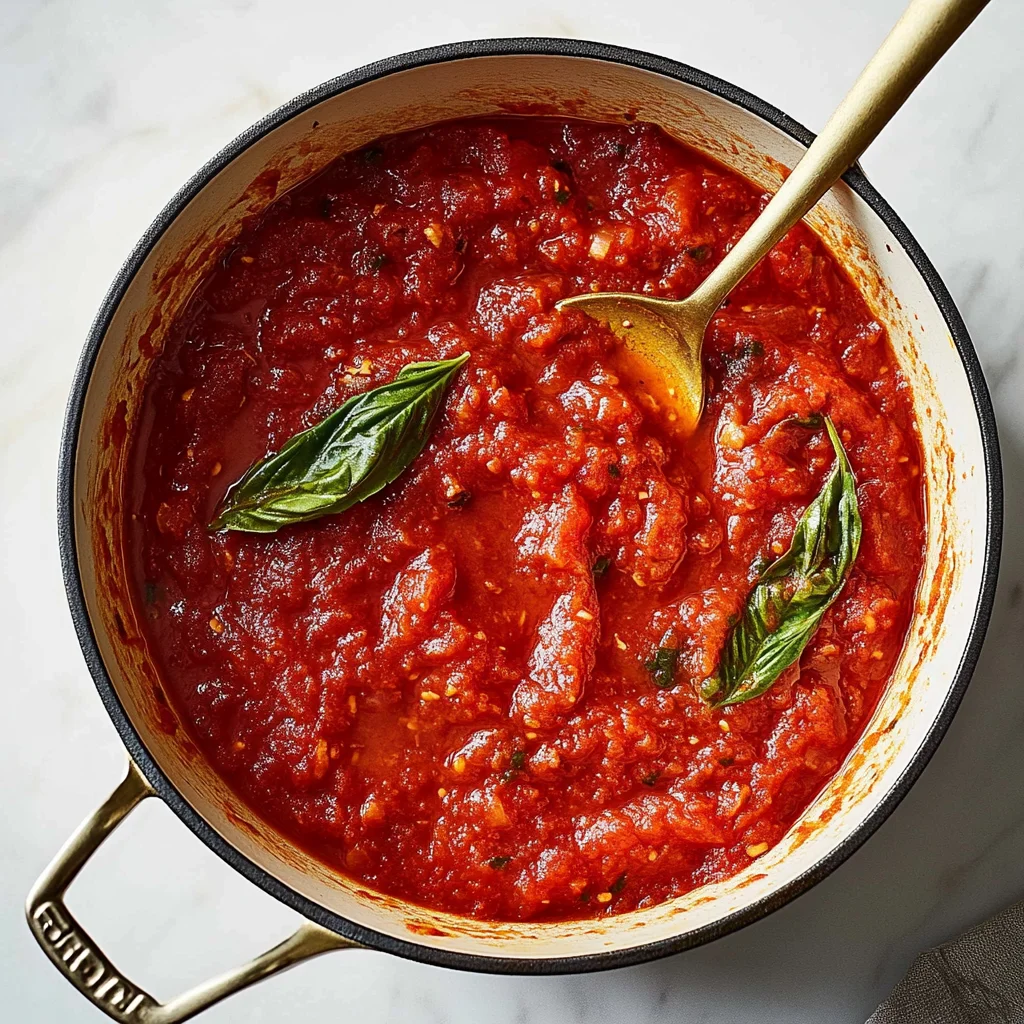
Feel free to experiment with your tomato sauce! You can add a pinch of red pepper flakes for a bit of heat, toss in some chopped bell peppers while sautéing the onions, or even mix in a splash of red wine during simmering for extra depth. Remember, it’s all about finding what you enjoy! This sauce also pairs wonderfully with various dishes, so let’s explore how to use it.
[love_box title=”Pick Your Flavor Path”] For a spicy kick, add a pinch of red pepper flakes while the sauce simmers. For a fresh twist, toss in some cherry tomatoes during the last few minutes of cooking. If you crave a cheesy touch, stir in grated Parmesan just before serving for a rich finish. [/love_box]Now that you’ve added your personal touch to the tomato sauce, let’s explore some delicious ways to serve it.
FAQ
How long can I store the tomato sauce in the refrigerator?
You can store the tomato sauce in the refrigerator for up to a week.
Can I substitute fresh basil for dried basil in the tomato sauce?
Yes, you can use dried basil instead of fresh, but adjust the quantity accordingly.
What is the best way to reheat leftover tomato sauce?
Reheat the tomato sauce gently on the stove over low heat, stirring occasionally until warmed through.
With these tips in mind, you’ll be well-equipped to enjoy your classic tomato sauce!
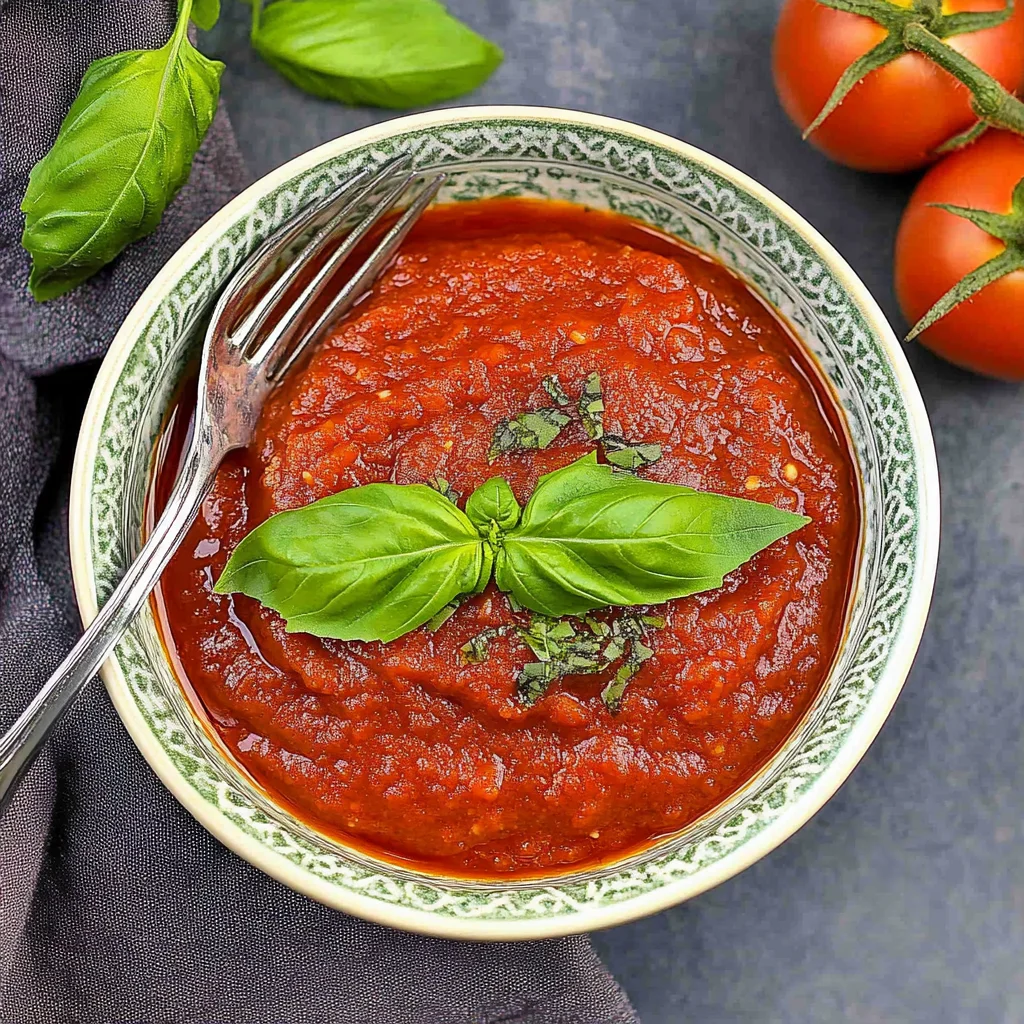
Classic Tomato Sauce
Ingredients
Method
- In a large saucepan, heat the olive oil over medium heat. This will help to infuse the oil with flavor and prevent sticking.
- Add the finely chopped onion and sauté for about 5 minutes, or until translucent. Stir occasionally to prevent burning.
- Add the minced garlic and cook for an additional 1-2 minutes, stirring constantly. Garlic burns quickly, so keep an eye on it.
- Pour in the can of whole peeled tomatoes, including the juice. Use a wooden spoon to break up the tomatoes into smaller pieces. This will help the sauce cook evenly.
- Stir in the sugar, salt, black pepper, and dried oregano. The sugar helps to cut the acidity of the tomatoes, resulting in a balanced flavor.
- Bring the sauce to a gentle simmer. Reduce the heat to low and let it cook uncovered for about 20-25 minutes, stirring occasionally. This allows the flavors to meld and the sauce to thicken.
- Taste the sauce and adjust the seasoning if necessary. If it tastes too acidic, add a bit more sugar.
- Once the sauce has thickened to your liking, remove it from the heat. Stir in the fresh basil if using.
- Serve hot over pasta, use as a pizza base, or store in the refrigerator for up to a week. This sauce also freezes well for later use.