
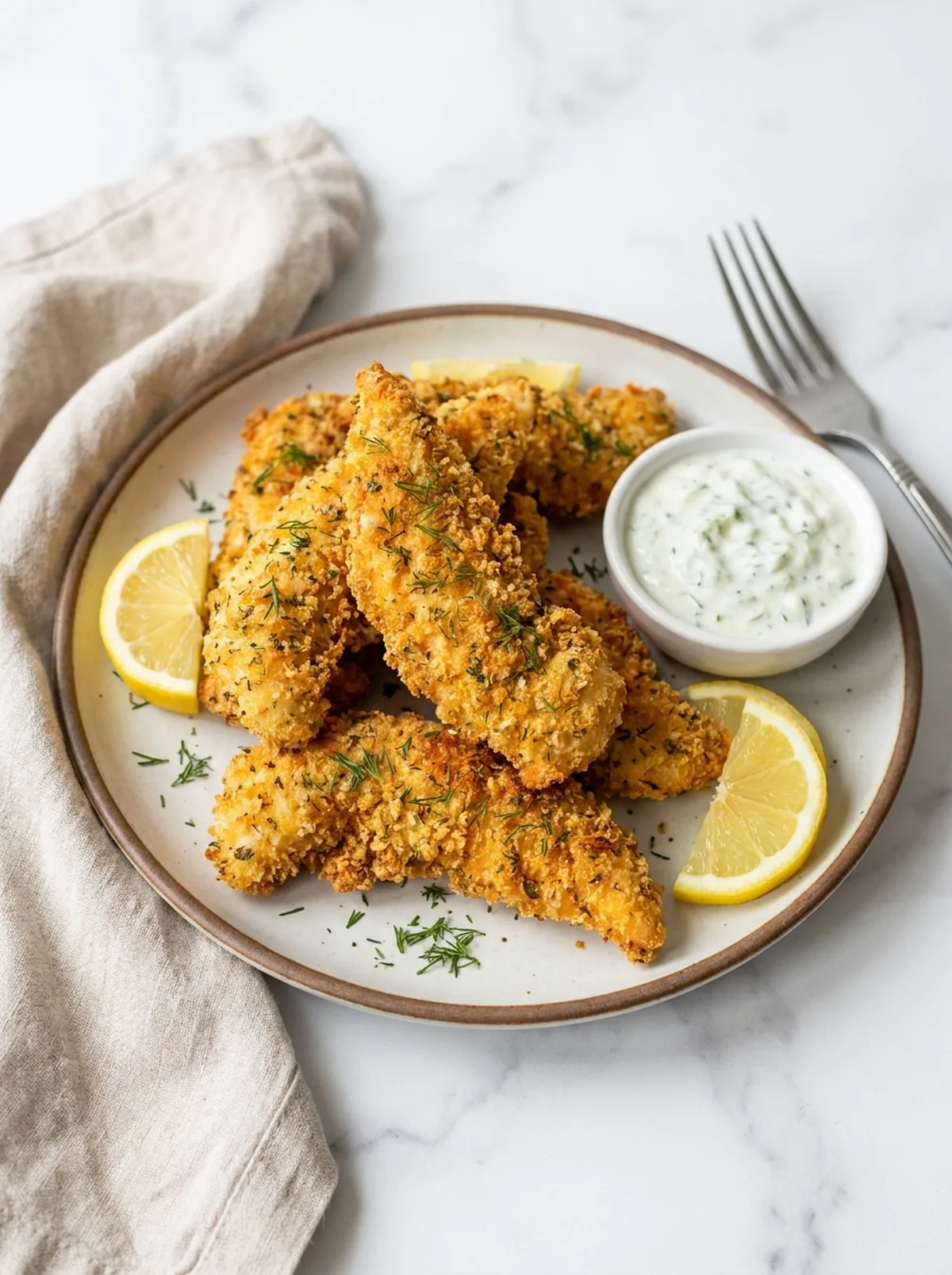
Greek Chicken Tenders are coated in a tangy yogurt marinade flavored with fresh lemon, garlic, oregano, and paprika. Baking them at high heat keeps the chicken juicy while creating lightly browned edges and a savory herb coating.
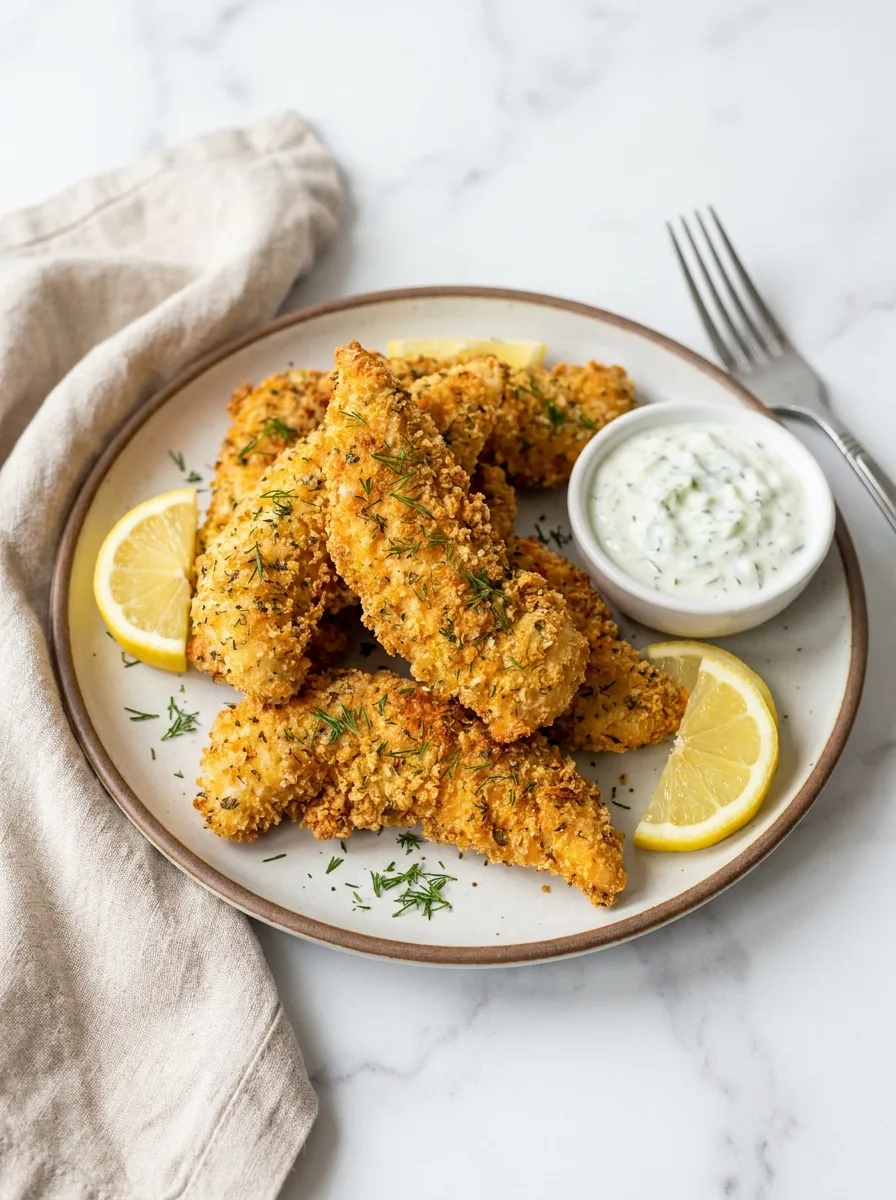
The chicken needs only 30 minutes of marinating, making this a practical option for a weeknight dinner. Serve the tenders with tzatziki, pita bread, roasted potatoes, rice, or a crisp cucumber and tomato salad.
Why This Recipe Works
- Greek yogurt coats the chicken evenly and helps protect the lean meat from drying out in the oven.
- Lemon zest provides concentrated citrus flavor without adding enough acidity to make the chicken mushy.
- A short 30-minute marinade seasons the tenders while preserving their firm, juicy texture.
- Baking at 425°F encourages light browning before the narrow chicken pieces overcook.
- Resting the chicken for 5 minutes allows the juices to settle before serving.
Equipment Needed
- Large mixing bowl
- Whisk
- Tongs
- 13-by-18-inch (33-by-46-cm) rimmed baking sheet
- Parchment paper or aluminum foil
- Instant-read meat thermometer
Ingredients List
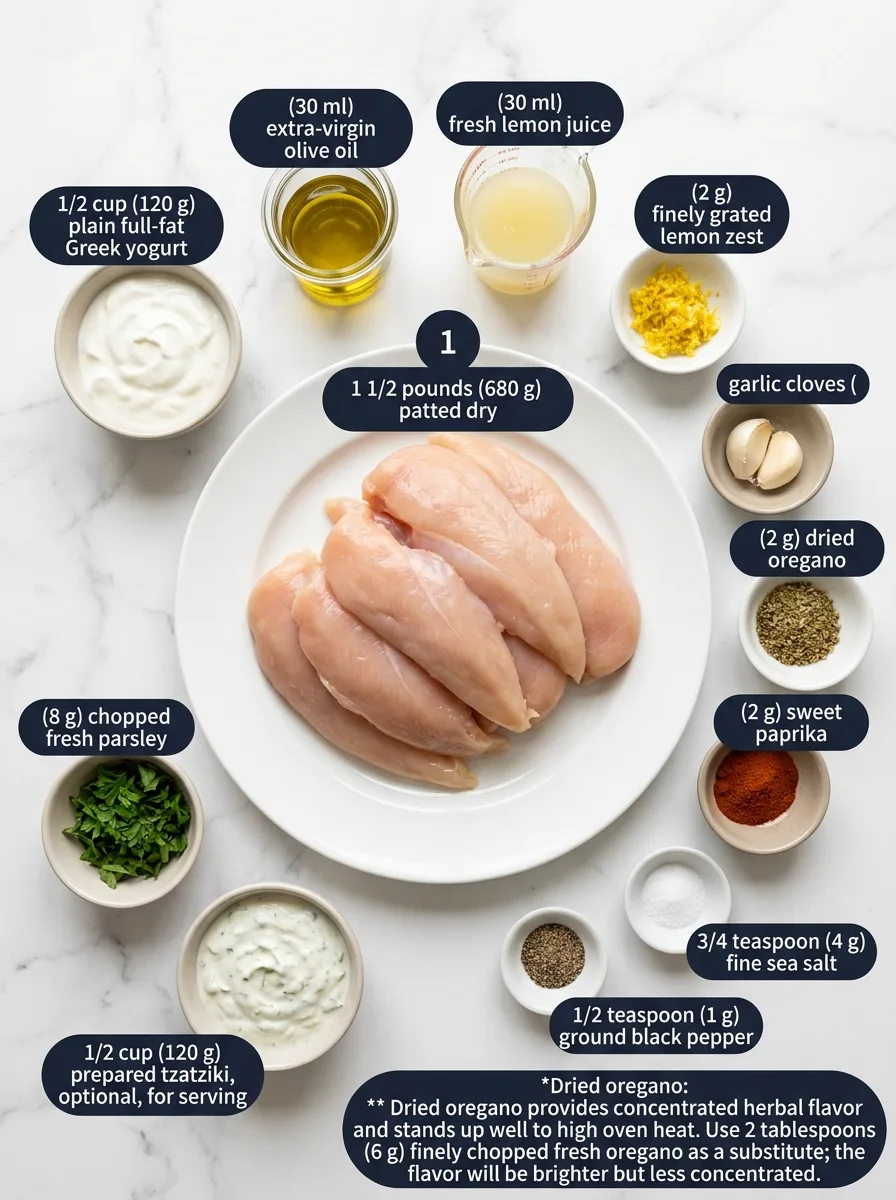
For the Greek Chicken Tenders
- 1 1/2 pounds (680 g) chicken breast tenders, patted dry
- 1/2 cup (120 g) plain full-fat Greek yogurt
- 2 tablespoons (30 ml) extra-virgin olive oil
- 2 tablespoons (30 ml) fresh lemon juice
- 1 teaspoon (2 g) finely grated lemon zest
- 3 medium garlic cloves (about 9 g), finely minced
- 2 teaspoons (2 g) dried oregano
- 1 teaspoon (2 g) sweet paprika
- 3/4 teaspoon (4 g) fine sea salt
- 1/2 teaspoon (1 g) ground black pepper
For Serving
- 2 tablespoons (8 g) chopped fresh parsley, optional, for garnish
- 1 medium lemon, cut into wedges, optional, for serving
- 1/2 cup (120 g) prepared tzatziki, optional, for serving
Ingredient Notes and Substitutions
- Chicken tenders: Chicken breast tenders cook quickly and evenly because of their narrow shape. Boneless, skinless chicken breasts may be substituted, but they should be sliced lengthwise into strips of similar thickness so they finish cooking at the same time.
- Greek yogurt: Full-fat Greek yogurt helps the marinade cling to the chicken and protects it from drying out. Plain regular yogurt can be used, but the thinner marinade may spread across the pan and produce less browning. Nonfat Greek yogurt also works but provides slightly less richness.
- Fresh lemon: Lemon juice adds acidity, while the zest supplies stronger citrus aroma. Bottled lemon juice can replace the fresh juice, but it usually tastes sharper and less fragrant. Fresh zest has no close substitute and may be omitted if necessary.
- Dried oregano: Dried oregano provides concentrated herbal flavor and stands up well to high oven heat. Use 2 tablespoons (6 g) finely chopped fresh oregano as a substitute; the flavor will be brighter but less concentrated.
- Sweet paprika: Paprika gives the coating a warm color and mild earthy flavor. Smoked paprika may be substituted for a smokier result, although it will move the flavor away from the lighter Greek-inspired profile.
Step-by-Step Instructions
Step 1: Prepare the chicken
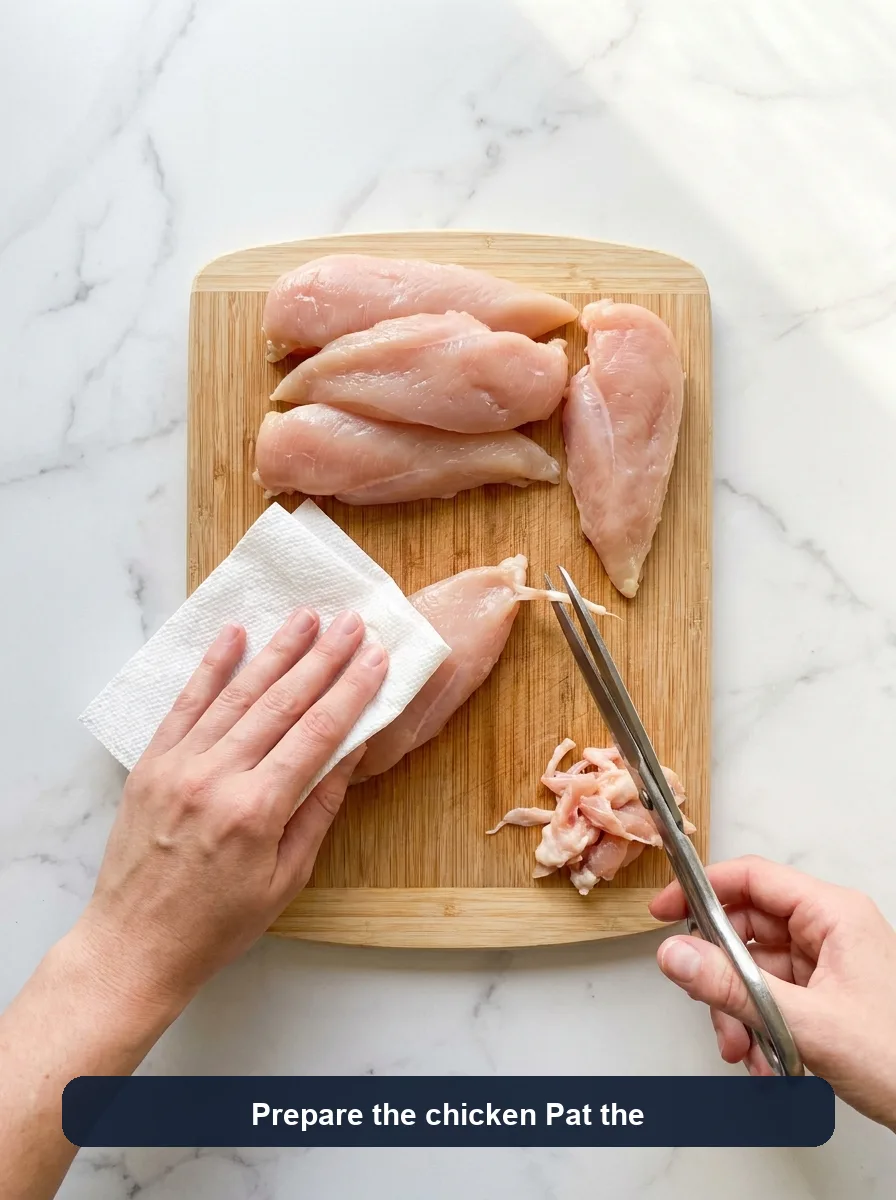
Pat the chicken tenders dry with paper towels. Trim away any visible pieces of tendon or excess fat. Dry chicken allows the yogurt marinade to cling rather than slide off.
Step 2: Make the marinade
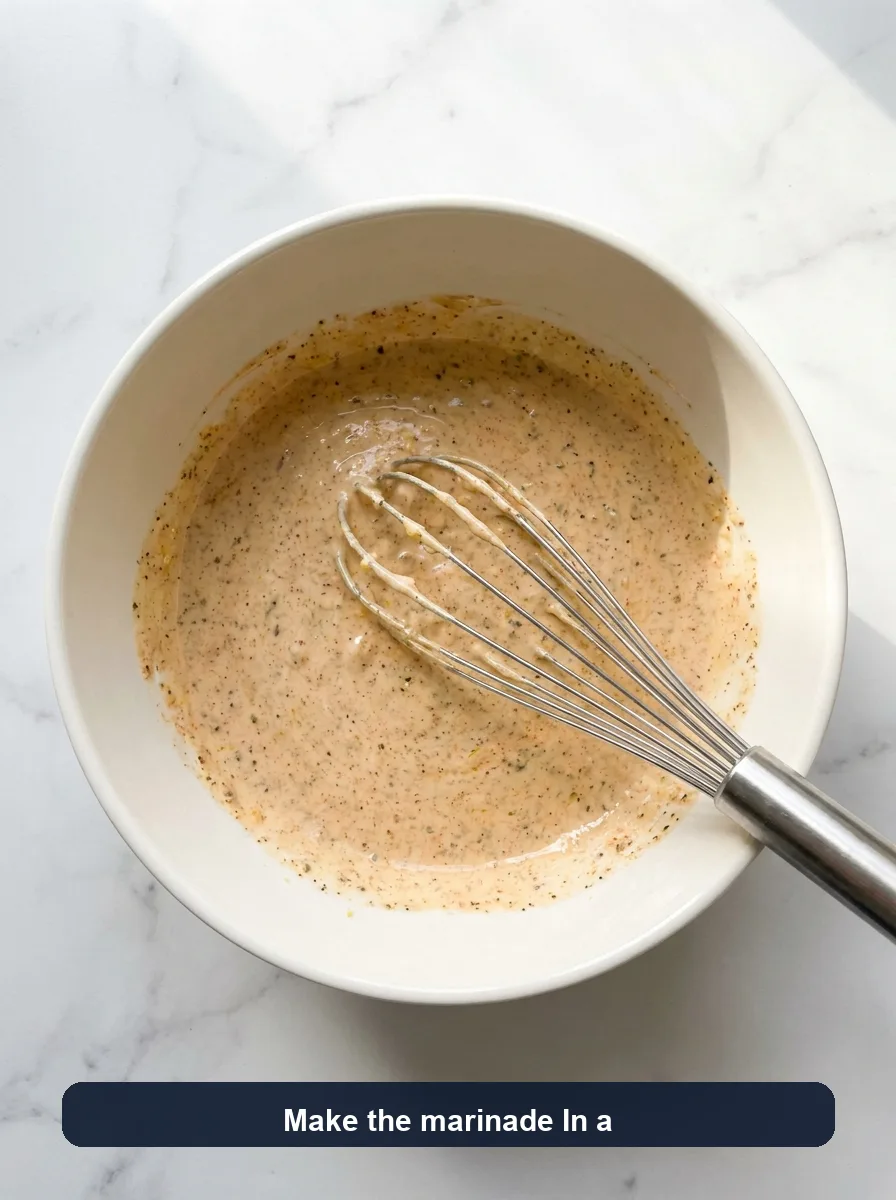
In a large bowl, whisk together the Greek yogurt, olive oil, lemon juice, lemon zest, garlic, oregano, paprika, salt, and black pepper. The marinade should look smooth, thick, and evenly speckled with herbs.
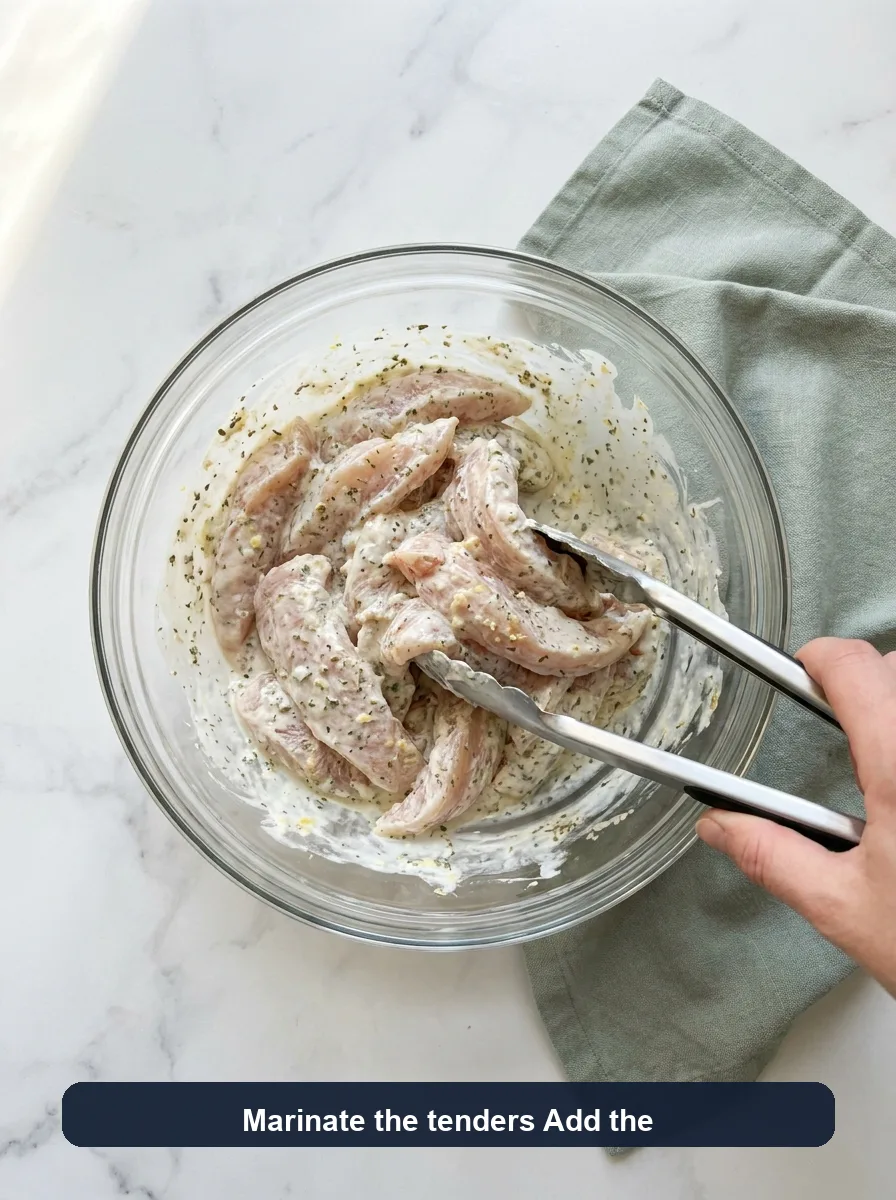
Step 3: Marinate the tenders
Add the chicken tenders and turn them until every piece is evenly coated. Cover the bowl and refrigerate for 30 minutes. Do not marinate for longer than 4 hours, as prolonged contact with the lemon juice can make the surface texture soft.
Step 4: Preheat the oven
Position a rack in the center of the oven and preheat it to 425°F (220°C). Line a 13-by-18-inch (33-by-46-cm) rimmed baking sheet with parchment paper or foil.
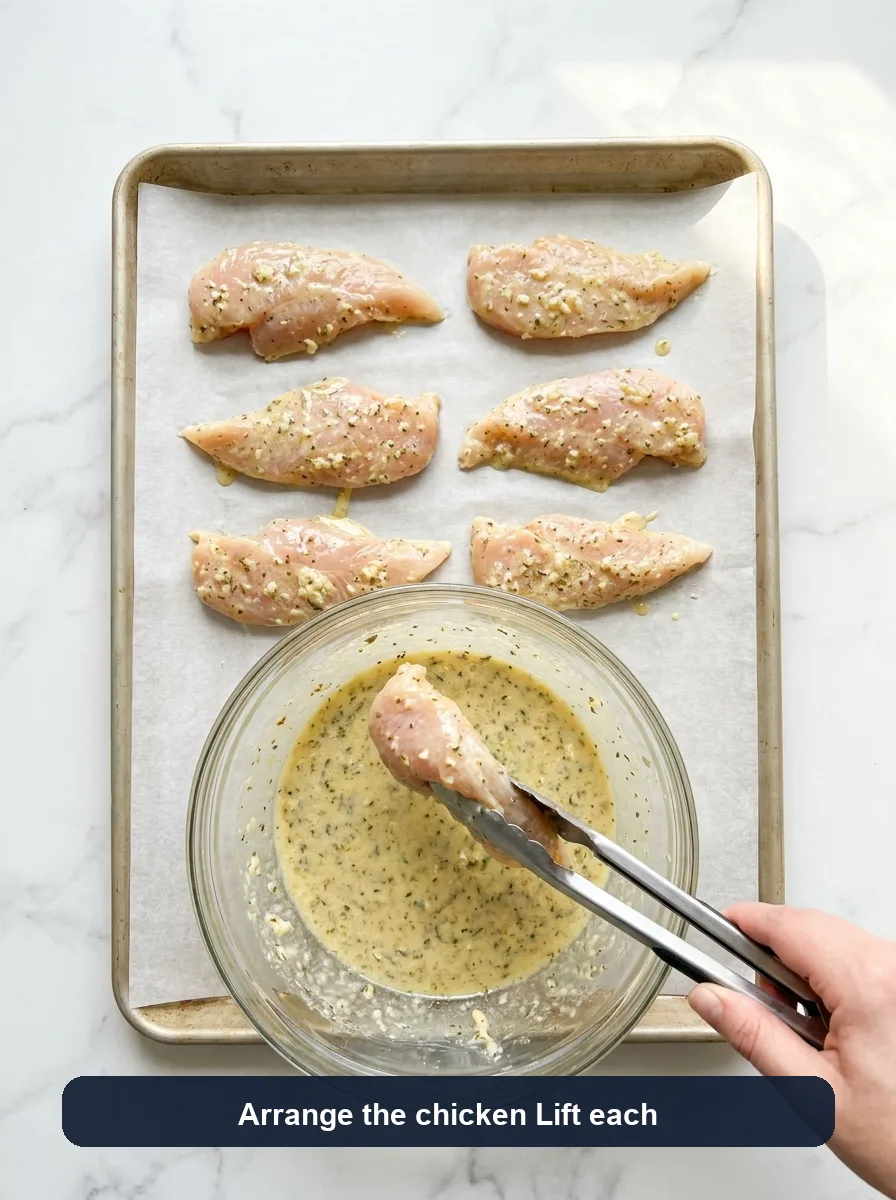
Step 5: Arrange the chicken
Lift each tender from the marinade, allowing the thick excess to drip back into the bowl. Arrange the tenders in a single layer with at least 1 inch of space between them. Discard the marinade that contacted the raw chicken.
Step 6: Bake the chicken
Bake for 15 to 18 minutes, rotating the pan after about 10 minutes. The coating should appear set with lightly golden spots, and the juices should run clear. If the tenders vary significantly in size, begin checking the smallest pieces after 13 minutes.
Step 7: Check for doneness
Insert an instant-read thermometer into the thickest part of the largest tender. The chicken is safe to eat when it reaches 165°F (74°C). Remove smaller pieces as they reach temperature so they do not dry out.
Step 8: Rest and serve
Let the chicken rest on the pan for 5 minutes. Sprinkle with the chopped parsley, if using, and serve warm with lemon wedges and tzatziki.
Storage, Freezing, and Make-Ahead Instructions
- Refrigerate leftover chicken within 2 hours of cooking. Store it in an airtight container for up to 4 days.
- Reheat the tenders in a covered baking dish at 325°F (165°C) for 10 to 15 minutes, or until the center reaches 165°F (74°C). Adding a teaspoon of water to the dish before covering can help prevent dryness. Individual portions may also be reheated in the microwave at reduced power.
- To freeze, cool the cooked chicken completely and place the tenders in a freezer-safe container with parchment between the layers. Freeze for up to 2 months. Thaw overnight in the refrigerator before reheating.
- For make-ahead preparation, whisk the marinade up to 2 days in advance and refrigerate it in an airtight container. Add the chicken 30 minutes to 4 hours before baking. Do not save or reuse marinade that has been in contact with raw chicken.
FAQ
Can I use sliced chicken breasts instead of tenders?
Yes. Slice boneless, skinless chicken breasts lengthwise into strips about 1 inch thick. Keep the pieces similar in size and begin checking their internal temperature after 15 minutes.
Can I marinate Greek Chicken Tenders overnight?
Overnight marinating is not recommended. The lemon juice can soften the outside of the chicken and produce a slightly mealy texture. Limit the marinating time to 4 hours.
Why did the yogurt coating release liquid in the oven?
The chicken may have been crowded, the pan may not have been fully preheated, or too much marinade may have remained on each piece. Space the tenders apart and allow the heavy excess coating to drip off before baking.
Can I cook these chicken tenders in an air fryer?
Yes. Arrange them in a single layer and air fry at 390°F (200°C) for approximately 9 to 12 minutes, turning halfway through. Work in batches and confirm that the thickest tender reaches 165°F (74°C).
How do I keep chicken tenders from becoming dry?
Use similarly sized pieces, bake at high heat, and check them early with an instant-read thermometer. Remove each tender as soon as it reaches 165°F rather than extending the cooking time for additional browning.
Ingredients
Method
- Pat the chicken tenders dry with paper towels: Trim away any visible pieces of tendon or excess fat. Dry chicken allows the yogurt marinade to cling rather than slide off.
- In a large bowl, whisk together the Greek yogurt, olive oil, lemon juice, lemon zest, garlic, oregano, paprika, salt, and black pepper. The marinade should look smooth, thick, and evenly speckled with herbs.
- Add the chicken tenders and turn them until every piece is evenly coated. Cover the bowl and refrigerate for 30 minutes. Do not marinate for longer than 4 hours, as prolonged contact with the lemon juice can make the surface texture soft.
- Position a rack in the center of the oven and preheat it to 425°F (220°C). Line a 13-by-18-inch (33-by-46-cm) rimmed baking sheet with parchment paper or foil.
- Lift each tender from the marinade, allowing the thick excess to drip back into the bowl. Arrange the tenders in a single layer with at least 1 inch of space between them. Discard the marinade that contacted the raw chicken.
- Bake for 15 to 18 minutes, rotating the pan after about 10 minutes. The coating should appear set with lightly golden spots, and the juices should run clear. If the tenders vary significantly in size, begin checking the smallest pieces after 13 minutes.
- Insert an instant-read thermometer into the thickest part of the largest tender. The chicken is safe to eat when it reaches 165°F (74°C). Remove smaller pieces as they reach temperature so they do not dry out.
- Let the chicken rest on the pan for 5 minutes. Sprinkle with the chopped parsley, if using, and serve warm with lemon wedges and tzatziki.




Loved this recipe! I didn’t have time to marinate the chicken for very long (20 min) but it still turned out very flavorful. My family really enjoyed it. I’ll be making this again.
Pamela, thank you so much for the 5 stars! I’m so glad you loved it and that it still turned out flavorful even with a short marinade. That’s wonderful to hear, and I love knowing your family enjoyed it too. Thanks for sharing your experience!