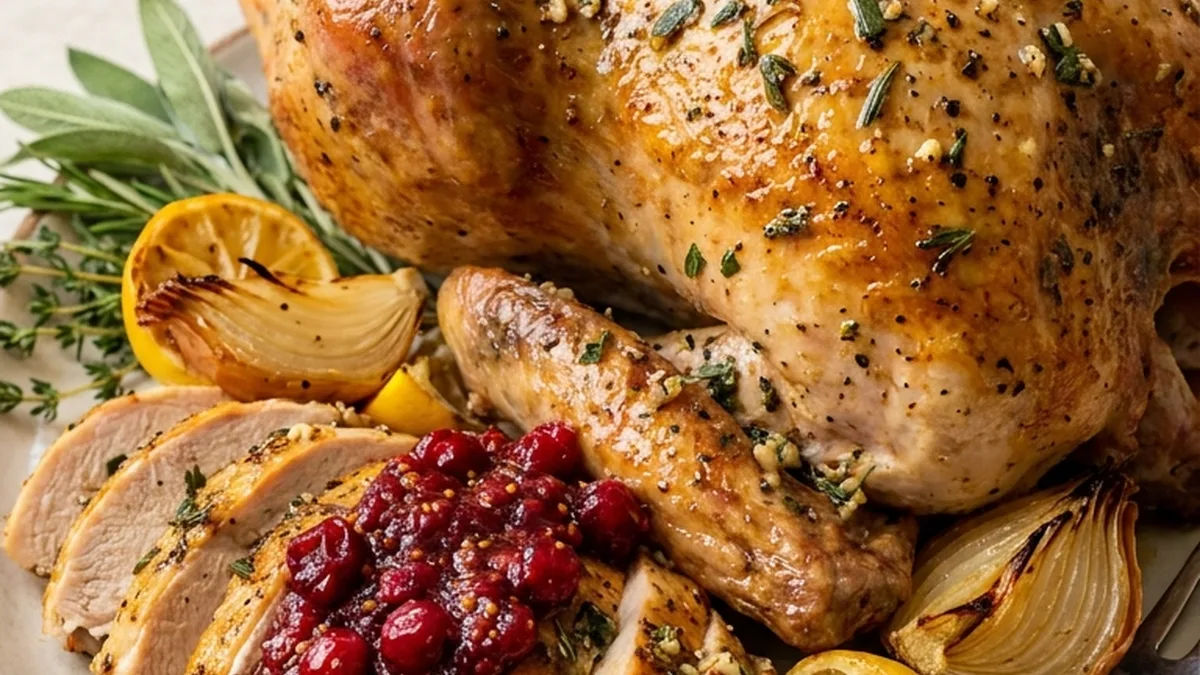
Brown Butter Herb Roasted Turkey with Cranberry Mustarda pairs a golden, herb-scented roast turkey with a tangy cranberry condiment inspired by Italian mostarda. The turkey is coated with nutty brown butter, fresh rosemary, thyme, and sage, while the cranberry mustarda brings together tart fruit, Dijon mustard, whole-grain mustard, and a touch of sweetness. The contrast between savory, crisp-skinned turkey and bright, gently spicy cranberries makes this a fitting centerpiece for Thanksgiving, Christmas, or a special holiday dinner.
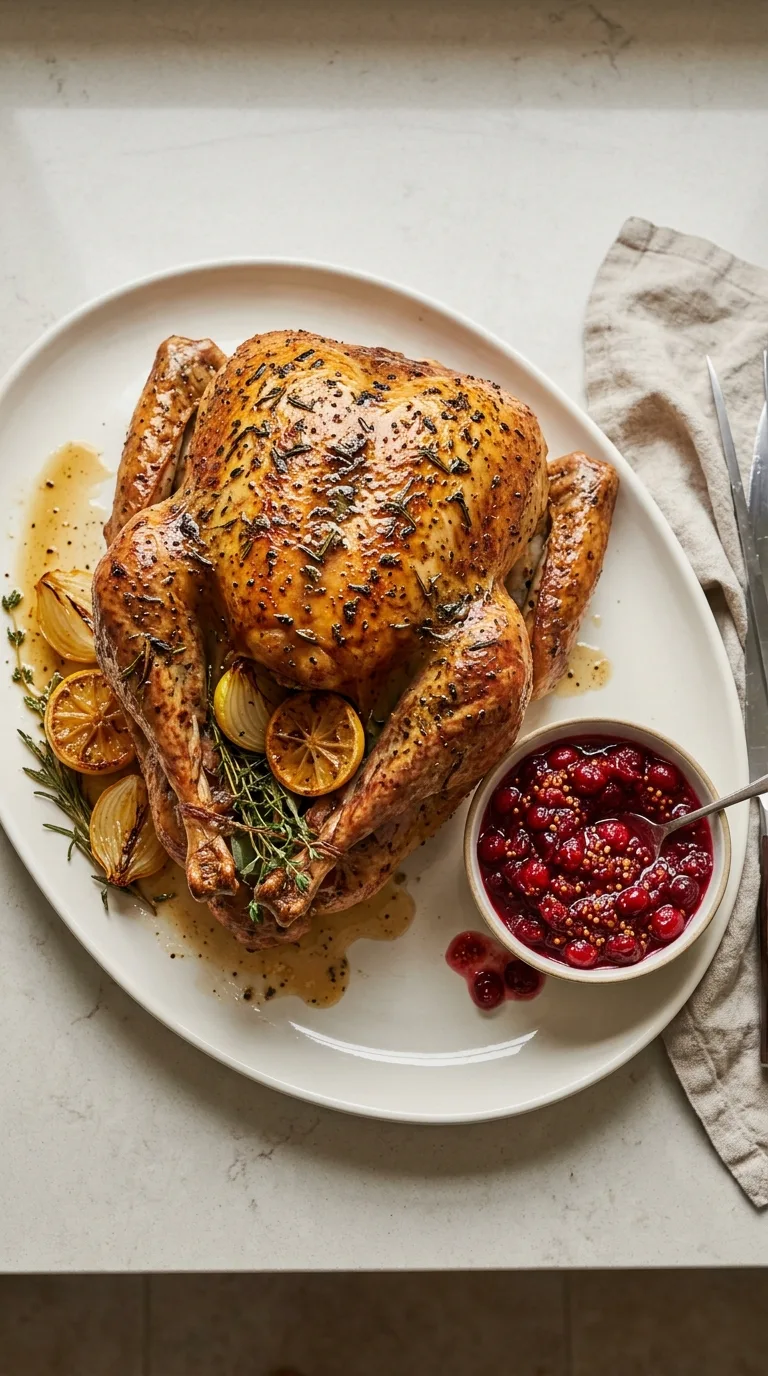
This version uses a straightforward oven-roasting method, with herb butter tucked beneath the breast skin to help protect the lean meat. The cranberry mustarda can be prepared ahead, leaving more time to focus on roasting and carving the turkey. A thermometer is essential for checking doneness, and a resting period helps the meat retain its juices before serving.
Why This Recipe Works
- Brown butter adds deeper flavor. Gently cooking butter until its natural solids turn golden develops toasted, nutty notes that complement the savory turkey and fresh herbs.
- Herb butter beneath the skin protects the breast meat. Placing the butter directly against the meat adds richness while reducing its exposure to the oven's drying heat.
- A two-stage roasting method encourages browning. Starting at a higher temperature helps develop golden skin before a lower temperature allows the turkey to finish cooking more gently.
- Cranberry mustarda balances the richness. Tart cranberries, mustard, vinegar, and honey create a condiment that cuts through the buttery flavor without overwhelming the turkey.
- Resting makes carving easier. Allowing the turkey to rest gives the juices time to redistribute and helps prevent excessive moisture loss when slicing.
Equipment Needed
- Large roasting pan, approximately 16 × 13 inches (41 × 33 cm), with a sturdy roasting rack and enough depth to contain the drippings
- Small, light-colored saucepan for browning butter
- Medium saucepan, approximately 3-quart (2.8 L) capacity, for the cranberry mustarda
- Instant-read digital meat thermometer
- Pastry brush or silicone spatula
- Kitchen twine for securing the turkey legs
- Sharp carving knife and sturdy cutting board with a juice groove
- Aluminum foil for loosely covering the turkey if needed
Ingredients List
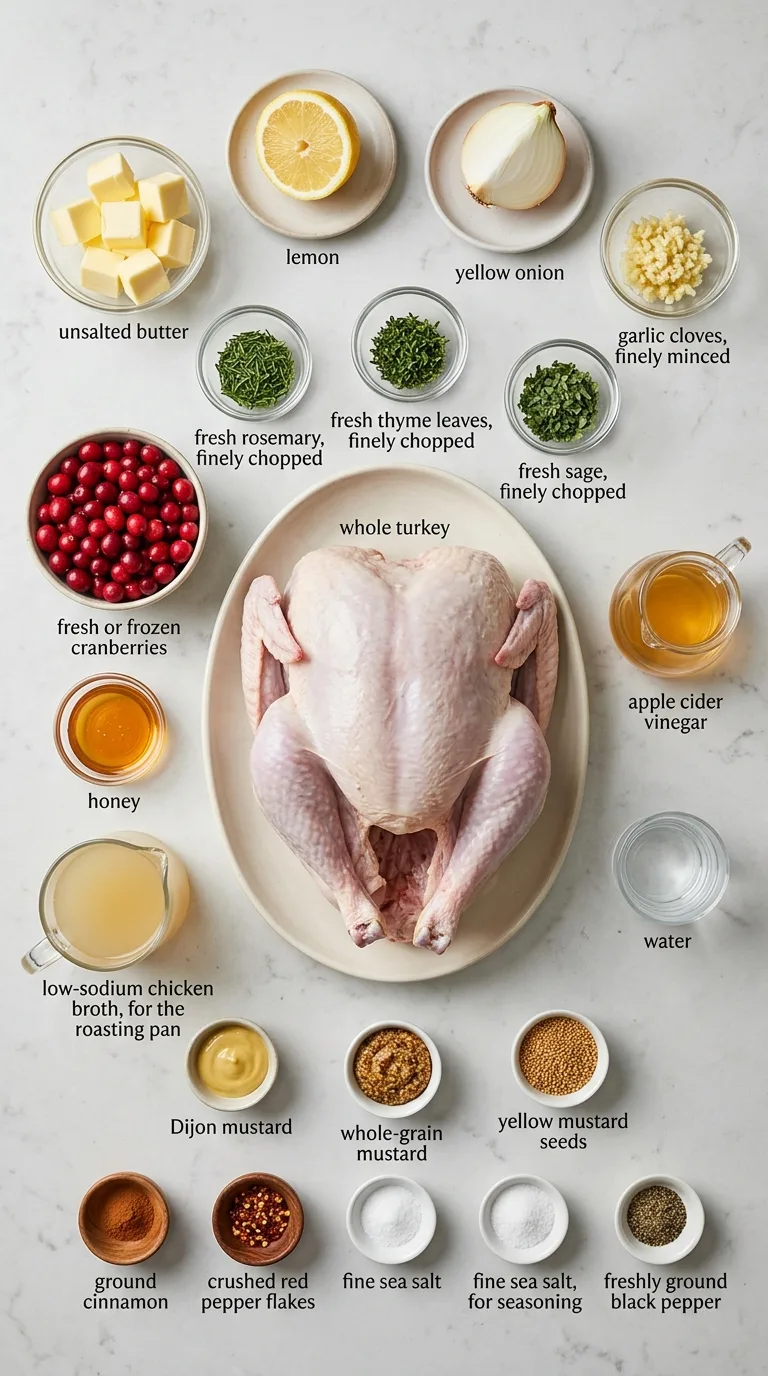
For the Brown Butter Herb Roasted Turkey
- 1 whole turkey, 12–14 pounds (5.4–6.4 kg), fully thawed, giblets and neck removed
- 3/4 cup (170 g) unsalted butter, divided, for browning
- 2 tablespoons (8 g) fresh rosemary, finely chopped
- 2 tablespoons (6 g) fresh thyme leaves, finely chopped
- 1 tablespoon (3 g) fresh sage, finely chopped
- 4 garlic cloves (12 g), finely minced
- 2 teaspoons (12 g) fine sea salt, for seasoning
- 1 teaspoon (2 g) freshly ground black pepper
- 1 large lemon, approximately 4 ounces (115 g), halved
- 1 medium yellow onion, approximately 6 ounces (170 g), quartered
- 1 cup (240 ml) low-sodium chicken broth, for the roasting pan
For the Cranberry Mustarda
- 12 ounces (340 g) fresh or frozen cranberries, rinsed
- 1/2 cup (170 g) honey
- 1/2 cup (120 ml) apple cider vinegar
- 1/2 cup (120 ml) water
- 2 tablespoons (30 g) Dijon mustard
- 2 tablespoons (30 g) whole-grain mustard
- 1 teaspoon (2 g) yellow mustard seeds
- 1/4 teaspoon ground cinnamon
- 1/4 teaspoon crushed red pepper flakes
- 1/4 teaspoon (1.5 g) fine sea salt
Ingredient Notes and Substitutions
Whole Turkey
A fully thawed, unstuffed turkey provides the most predictable roasting results. Choose a bird without added salt solution when possible, since pre-brined or self-basting turkeys may already contain substantial sodium.
A smaller turkey can work, but the roasting time will change. Use a thermometer rather than relying on a fixed cooking time. If using a pre-brined turkey, reduce or omit the added salt according to its packaging.
Unsalted Butter
Unsalted butter allows better control over seasoning and makes it easier to develop the nutty flavor of browned butter.
Salted butter can be used, but its sodium content varies by brand. Adjust the added salt accordingly. Regular melted butter is an alternative if browning is not possible, although it will lack the characteristic toasted flavor.
Fresh Rosemary, Thyme, and Sage
These herbs create the savory, aromatic profile of the turkey. Rosemary contributes a piney note, thyme adds an earthy fragrance, and sage brings a slightly peppery, woodsy character.
Dried herbs can replace fresh herbs, using approximately one-third of the fresh amount. Their flavor is more concentrated and the finished herb coating may be slightly less vibrant.
Cranberries
Fresh cranberries provide acidity, color, and natural pectin, which helps the mustarda thicken as it simmers and cools.
Frozen cranberries are a direct substitute and can go into the saucepan without thawing. Sweetened dried cranberries are not a direct replacement because their sugar content and moisture level differ substantially.
Mustard and Honey
Dijon mustard provides a smooth, sharp base, while whole-grain mustard adds texture and visible mustard seeds. Honey softens the cranberries’ acidity and gives the condiment a glossy finish.
Maple syrup can replace honey in an equal volume, producing a slightly more pronounced caramel flavor and potentially a looser consistency. Coarse stone-ground mustard can replace whole-grain mustard, although the finished condiment may have fewer distinct mustard seeds.
Step-by-Step Instructions
1. Prepare the turkey and oven
Preheat the oven to 425°F (220°C).
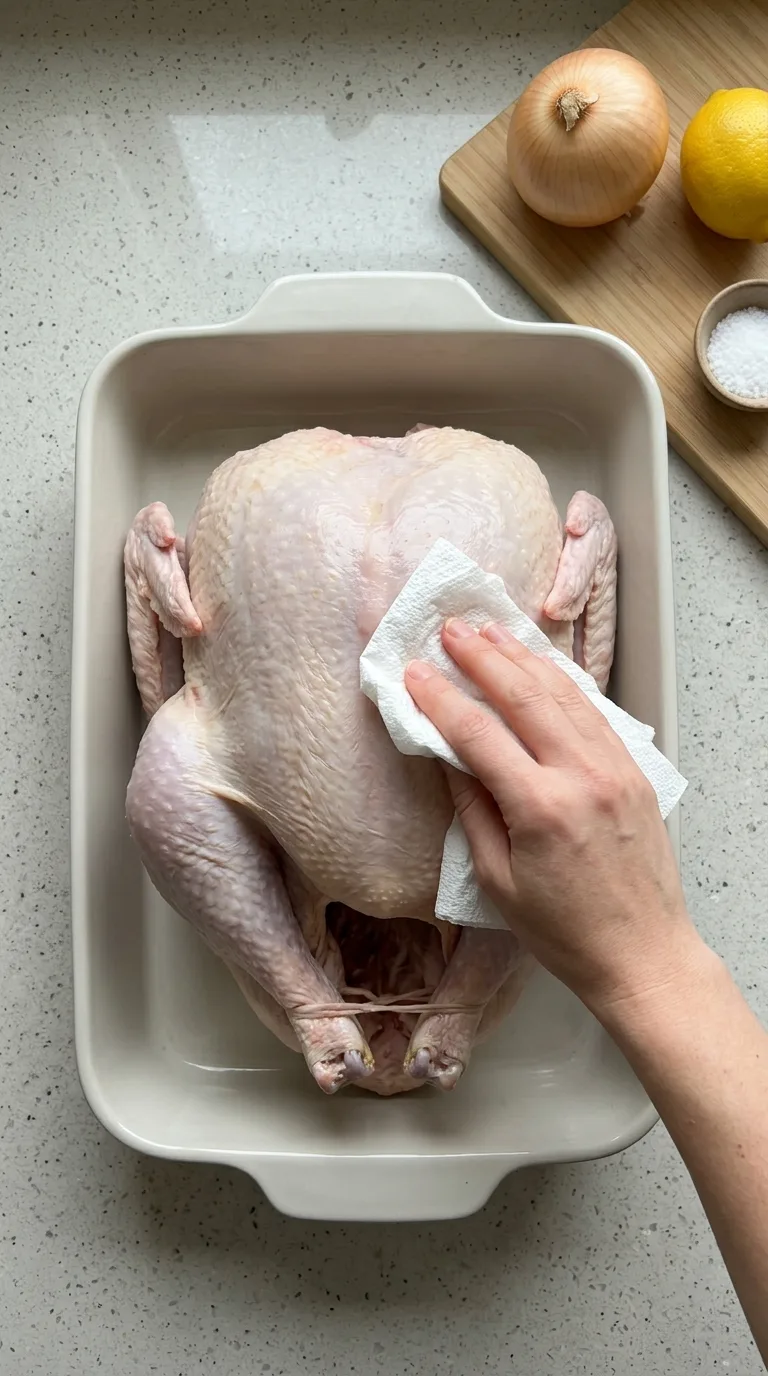
Remove the fully thawed 12–14-pound (5.4–6.4 kg) turkey from its packaging. Remove the giblets and neck if included, then pat the turkey thoroughly dry with paper towels.
Place the turkey breast-side up on a rack inside a 16 × 13-inch (41 × 33 cm) roasting pan.
The skin should feel dry rather than slippery. Surface moisture can slow browning and prevent the skin from developing a crisp finish.
2. Brown the butter
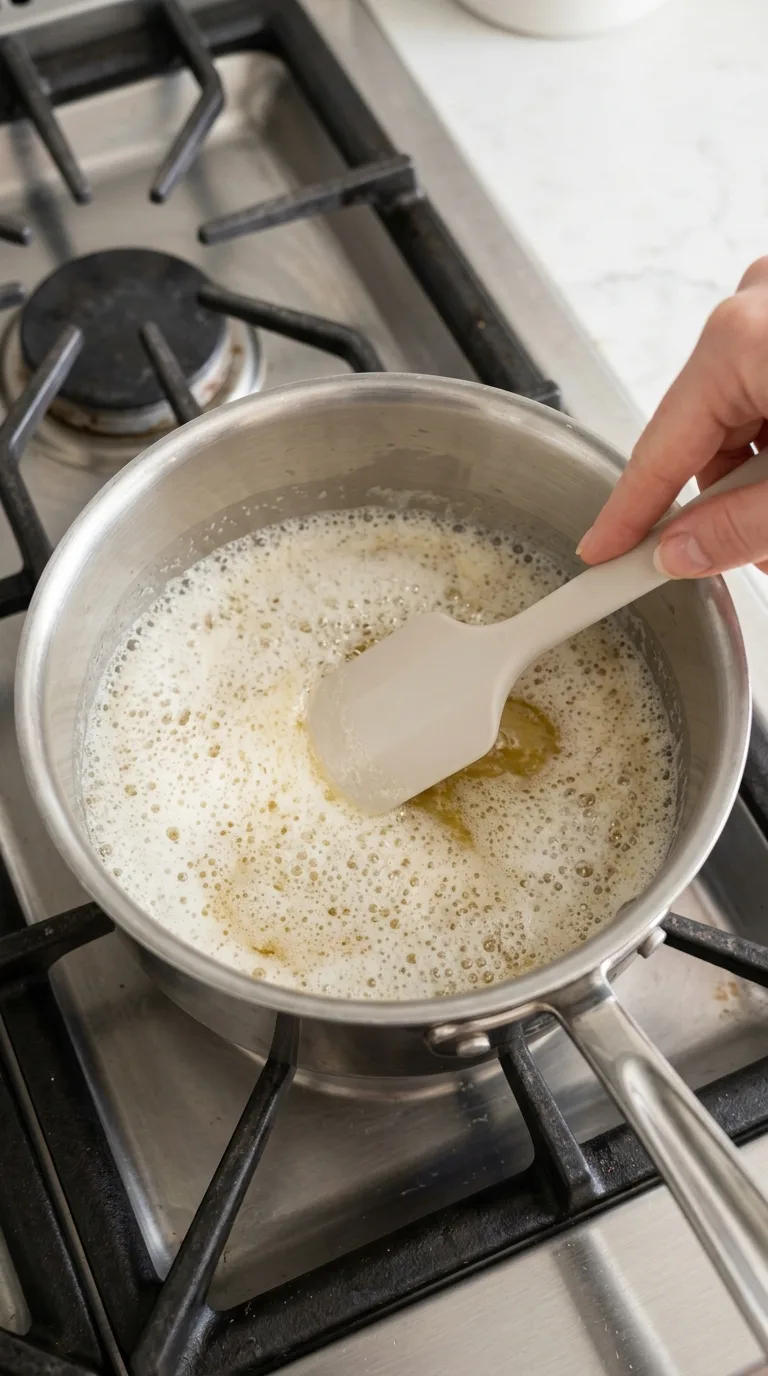
Place 3/4 cup (170 g) unsalted butter in a small, light-colored saucepan over medium-low heat.
Melt the butter, stirring occasionally. As it heats, it will foam and begin to crackle. Continue cooking until the small particles at the bottom of the saucepan turn golden brown and the butter develops a toasted, nutty aroma.
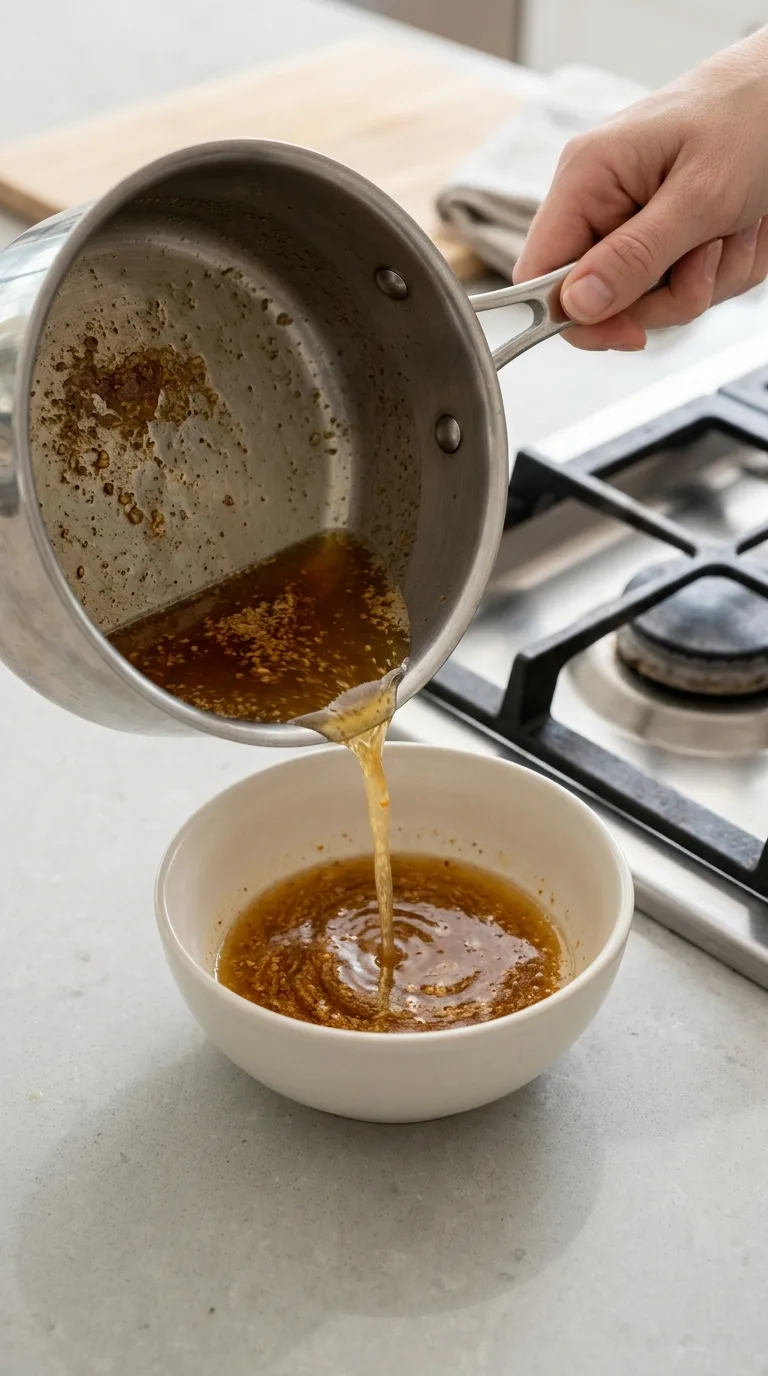
Remove the saucepan from the heat immediately. Pour the browned butter into a heatproof bowl, including the golden particles.
Let it cool until warm and slightly thickened but still spreadable. If it becomes too firm, gently warm it again.
3. Make the herb butter
Add the following to the browned butter:
- 2 tablespoons (8 g) finely chopped rosemary
- 2 tablespoons (6 g) finely chopped thyme
- 1 tablespoon (3 g) finely chopped sage
- 4 finely minced garlic cloves (12 g)
- 2 teaspoons (12 g) fine sea salt
- 1 teaspoon (2 g) freshly ground black pepper
Stir until the herbs and seasonings are evenly distributed.
The mixture should be fragrant and thick enough to coat a spoon. If the butter is very hot, allow it to cool further before applying it to the turkey.
4. Season beneath and over the skin
Carefully slide your fingers between the turkey breast meat and the skin, starting near the neck end. Work slowly to loosen the skin without tearing it.
Spread approximately half of the prepared brown butter herb mixture beneath the breast skin, distributing it as evenly as possible.
Rub the remaining mixture over the outside of the turkey, including the breast, legs, and wings.
The surface should have a thin, even coating rather than large clumps of herbs.
5. Add the aromatics
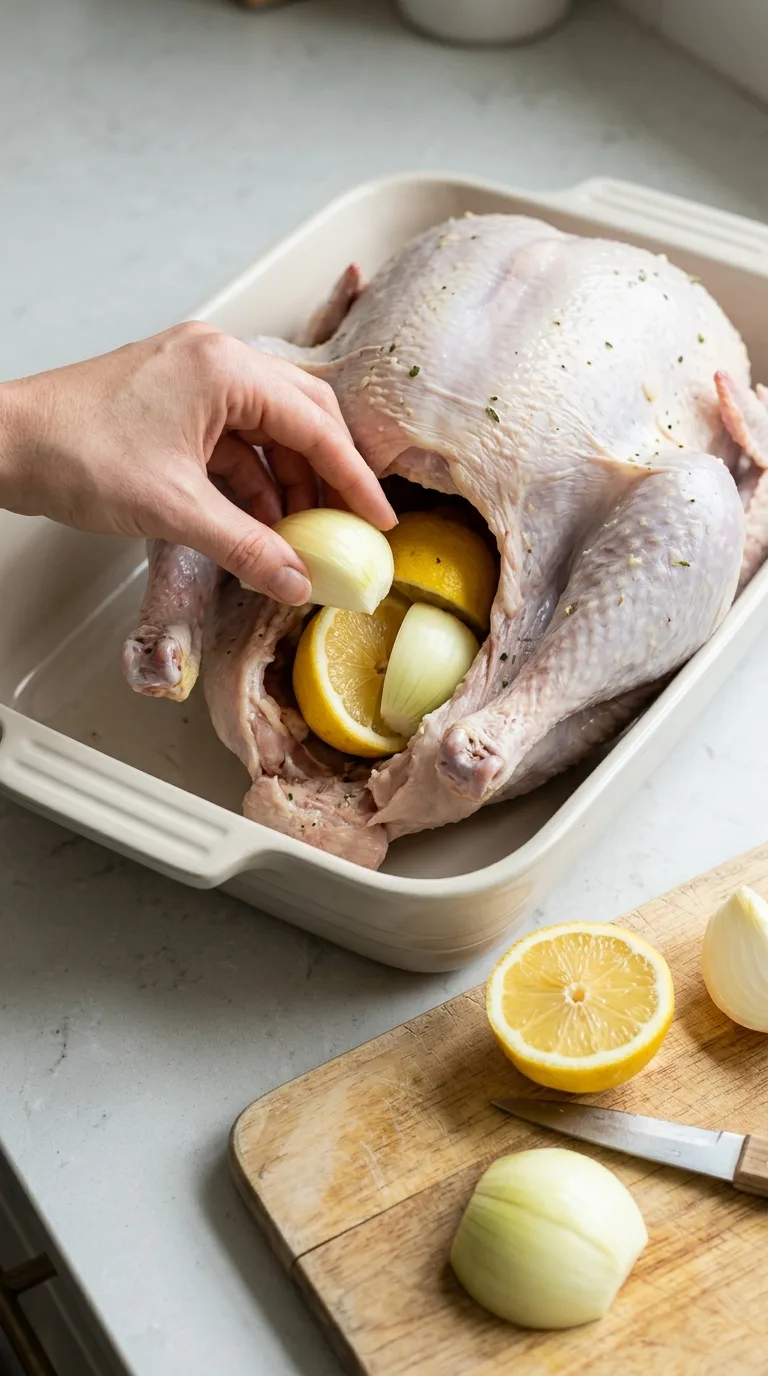
Place 1 halved large lemon and 1 quartered medium yellow onion loosely inside the turkey cavity.
Do not pack the cavity tightly. Leaving space allows heat to circulate more effectively.
Tie the legs loosely with kitchen twine and tuck the wing tips beneath the bird.
Pour 1 cup (240 ml) low-sodium chicken broth into the bottom of the roasting pan, keeping the liquid beneath the rack.
6. Begin roasting at high heat
Place the turkey in the preheated 425°F (220°C) oven.
Roast for 30 minutes, until the skin begins turning golden, especially across the breast and upper legs.
The herb butter may sizzle and the pan juices may begin to bubble. This is normal.
If any exposed herbs darken rapidly, loosely cover those areas with aluminum foil.
7. Lower the heat and continue roasting
Reduce the oven temperature to 325°F (165°C).
Continue roasting for approximately 2 hours 30 minutes to 3 hours, checking the turkey’s internal temperature as it approaches doneness.
Rotate the roasting pan if one side browns noticeably faster than the other.
If the breast becomes deeply golden before the legs finish cooking, loosely tent the breast with foil.
Avoid repeatedly opening the oven or basting the turkey, which can interrupt cooking and soften the skin.
8. Prepare the cranberry mustarda
While the turkey roasts, combine the following in a 3-quart (2.8 L) saucepan:
- 12 ounces (340 g) fresh or frozen cranberries
- 1/2 cup (170 g) honey
- 1/2 cup (120 ml) apple cider vinegar
- 1/2 cup (120 ml) water
- 2 tablespoons (30 g) Dijon mustard
- 2 tablespoons (30 g) whole-grain mustard
- 1 teaspoon (2 g) yellow mustard seeds
- 1/4 teaspoon ground cinnamon
- 1/4 teaspoon crushed red pepper flakes
- 1/4 teaspoon (1.5 g) fine sea salt
Stir thoroughly to distribute the honey and mustard.
Place the saucepan over medium heat and bring the mixture to a gentle simmer.
9. Simmer until thick and glossy
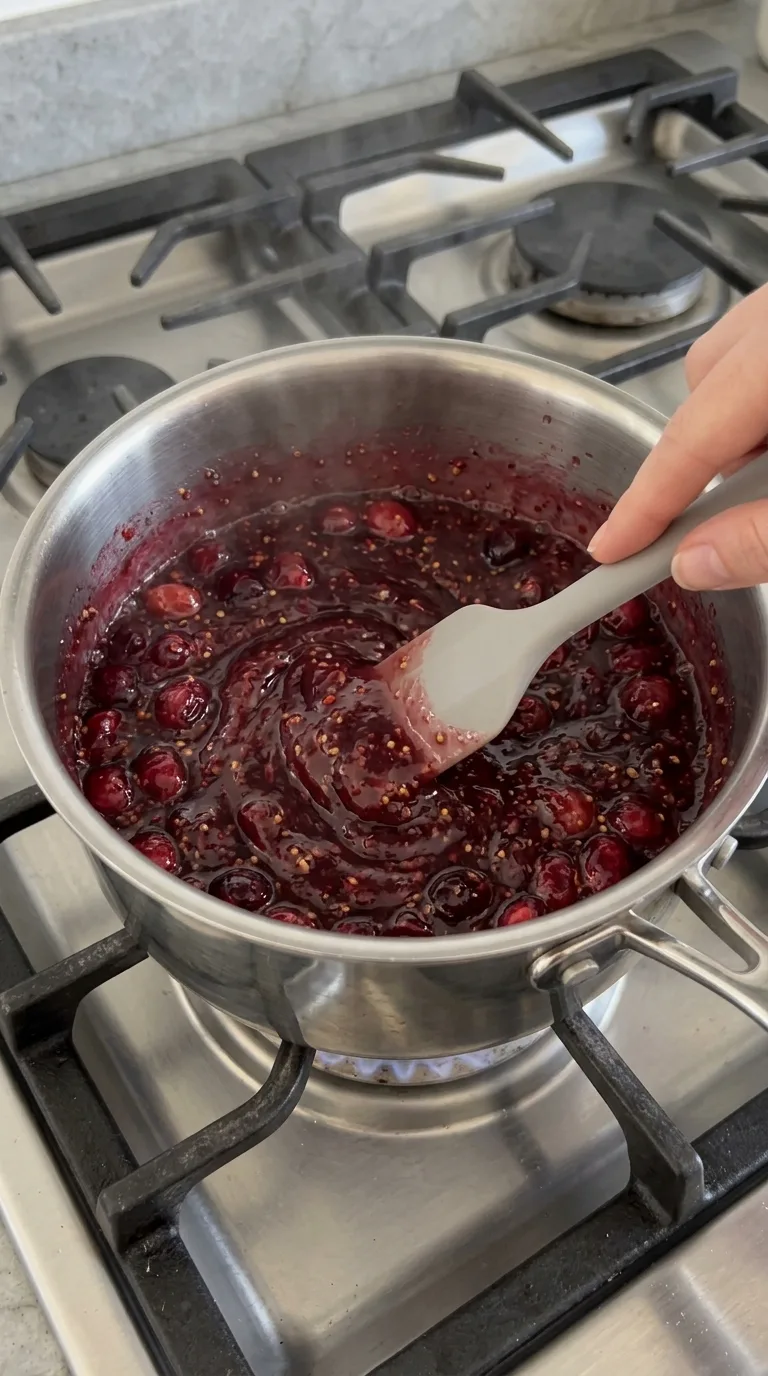
Reduce the heat to medium-low and simmer the cranberry mixture for 20–25 minutes, stirring occasionally.
The cranberries will begin to pop and release their juices. As the mixture cooks, it should become glossy and noticeably thicker.
Gently press some of the softened cranberries against the side of the saucepan, leaving others partially intact for texture.
The finished mustarda should be thick enough to mound slightly on a spoon while remaining easy to spread.
If it becomes too thick, remove it from the heat before it reduces further. Remember that it will continue thickening as it cools.
Set aside until ready to serve.
10. Check the turkey for doneness
Begin checking the turkey with an instant-read thermometer before the estimated roasting time ends.
Insert the thermometer into the thickest part of the breast and the innermost part of the thigh, without touching bone.
The turkey is safely cooked when both locations reach at least 165°F (74°C). Check the wing area as well.
If the breast reaches temperature before the thigh, loosely protect the breast with foil and continue roasting until the thigh also reaches the safe temperature.
The skin should be golden brown, with darker toasted patches where the herb butter has caramelized.
11. Rest the roasted turkey
Transfer the turkey to a sturdy cutting board or serving platter.
Loosely tent it with aluminum foil and let it rest for 30–40 minutes before carving.
During this period, the meat will settle and the juices will redistribute.
Avoid wrapping the turkey tightly, which traps steam and can soften the crisp skin.
12. Carve and serve
Remove the kitchen twine and discard the lemon and onion from the cavity.
Separate the legs and thighs, then remove the breast meat and slice it across the grain.
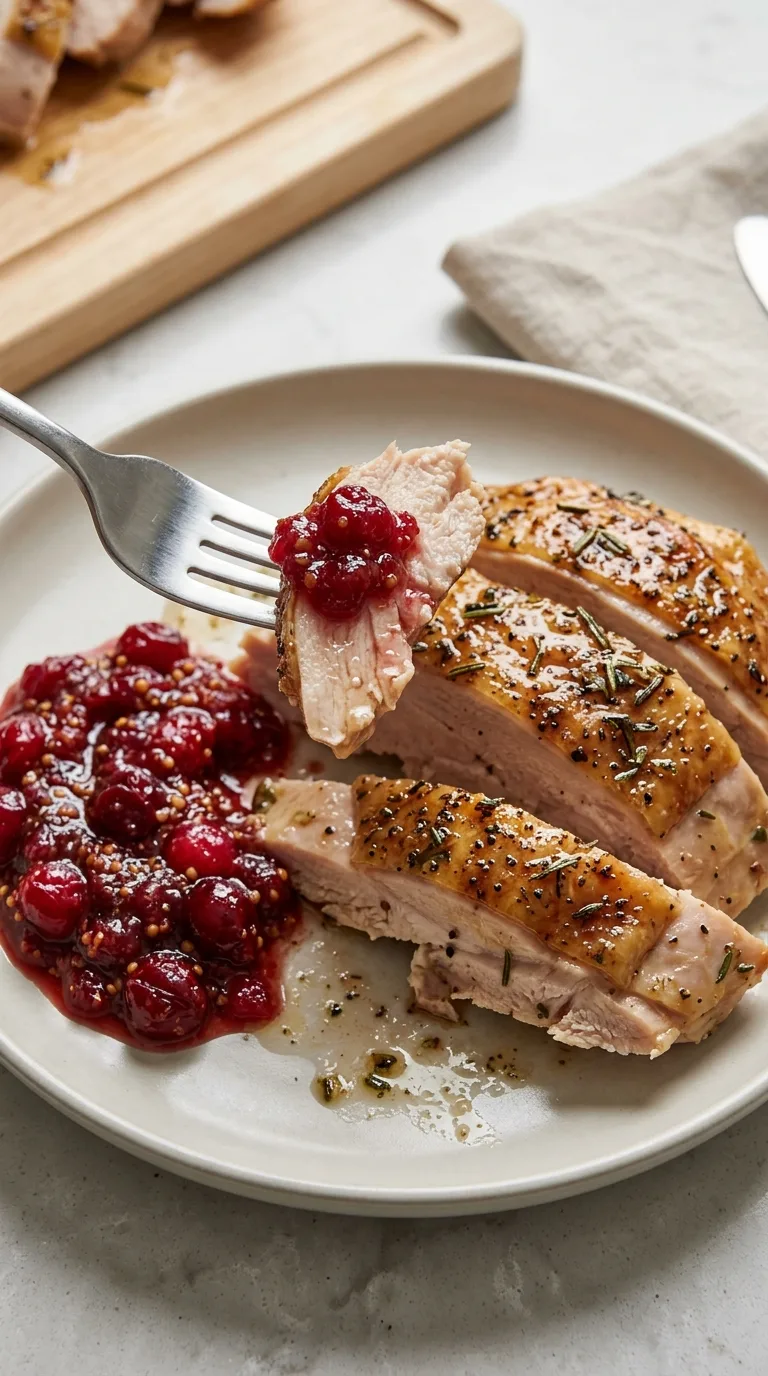
Arrange the turkey on a warm serving platter and spoon a little cranberry mustarda alongside the slices.
Serve the remaining mustarda separately so guests can add as much as they prefer.
The finished dish should have golden, herb-speckled skin, tender turkey meat, and a glossy cranberry condiment with a pleasant balance of tartness, sweetness, and mustard heat.
Storage, Freezing, and Make-Ahead Instructions
Refrigerating Leftover Turkey
- Remove the remaining meat from the bones and place it in shallow, airtight containers.
- Refrigerate within 2 hours of cooking.
- Properly refrigerated turkey can be stored for 3–4 days at 40°F (4°C) or below.
Freezing Roasted Turkey
- Allow the cooked turkey to cool safely, then portion it into freezer-safe containers or tightly sealed freezer bags.
- Remove excess air to minimize freezer burn.
- Freeze at 0°F (-18°C) or below.
Reheating Turkey
- Place sliced turkey in a covered baking dish with a small amount of reserved cooking juices.
- Warm in a 300°F (150°C) oven until the meat reaches an internal temperature of 165°F (74°C).
- Keep the dish covered to reduce moisture loss.
Storing Cranberry Mustarda
- Transfer the cooled cranberry mustarda to a clean, airtight container and refrigerate.
- For this homemade version, plan to use it within 5–7 days.
- The mixture will become thicker as it chills.
Making the Recipe Ahead
- The cranberry mustarda can be prepared up to 3 days ahead and refrigerated until serving.
- The herbs and garlic can also be chopped ahead and stored covered in the refrigerator.
- For the turkey, the most convenient approach is to complete the ingredient preparation in advance, then brown the butter, season, and roast the bird on the day of serving.
Tips for Success
- Dry skin is essential for browning. Excess surface moisture creates steam, making it harder to develop a golden exterior. Pat the turkey dry thoroughly before applying the butter.
- Watch the butter closely. Brown butter can go from golden to burnt quickly. A light-colored saucepan makes it easier to see the small particles at the bottom changing color.
- Use temperature rather than appearance to determine doneness. Golden skin does not guarantee that the thickest parts of the turkey have reached a safe internal temperature.
FAQ
Can I make Brown Butter Herb Roasted Turkey with Cranberry Mustarda ahead of time?
Yes. The cranberry mustarda is particularly well suited to advance preparation because its flavors blend as it chills.
How do I keep the turkey breast from drying out?
Spread the herb butter evenly beneath the breast skin and use a thermometer to monitor doneness. Avoid relying solely on roasting time.
Can I use frozen cranberries for the mustarda?
Yes. Frozen cranberries work well and do not need to be thawed before cooking.
Why is my cranberry mustarda too thin or too thick?
A thin mustarda usually needs additional gentle simmering to evaporate excess moisture. A very thick mustarda may have reduced too far or thickened significantly during cooling.
Can I roast a smaller or larger turkey using this recipe?
Yes, but the roasting duration and the amount of herb butter and seasoning may need adjustment. A smaller bird generally cooks faster, while a larger bird takes longer and requires adequate roasting-pan and oven space.
Ingredients
Method
- Prepare the turkey and oven: Preheat the oven to 425°F (220°C).
- Remove the fully thawed 12–14-pound (5.4–6.4 kg) turkey from its packaging. Remove the giblets and neck if included, then pat the turkey thoroughly dry with paper towels.
- Place the turkey breast-side up on a rack inside a 16 × 13-inch (41 × 33 cm) roasting pan.
- The skin should feel dry rather than slippery: Surface moisture can slow browning and prevent the skin from developing a crisp finish.
- Brown the butter: Place 3/4 cup (170 g) unsalted butter in a small, light-colored saucepan over medium-low heat.
- Melt the butter, stirring occasionally: As it heats, it will foam and begin to crackle. Continue cooking until the small particles at the bottom of the saucepan turn golden brown and the butter develops a toasted, nutty aroma.
- Remove the saucepan from the heat immediately: Pour the browned butter into a heatproof bowl, including the golden particles.
- Let it cool until warm and slightly thickened but still spreadable. If it becomes too firm, gently warm it again.
- Make the herb butter
- Add the following to the browned butter: tablespoons (8 g) finely chopped rosemary
- tablespoons (6 g) finely chopped thyme
- tablespoon (3 g) finely chopped sage
- finely minced garlic cloves (12 g)
- teaspoons (12 g) fine sea salt: teaspoon (2 g) freshly ground black pepper
- Stir until the herbs and seasonings are evenly distributed.
- The mixture should be fragrant and thick enough to coat a spoon. If the butter is very hot, allow it to cool further before applying it to the turkey.
- Season beneath and over the skin: Carefully slide your fingers between the turkey breast meat and the skin, starting near the neck end. Work slowly to loosen the skin without tearing it.
- Spread approximately half of the prepared brown butter herb mixture beneath the breast skin, distributing it as evenly as possible.
- Rub the remaining mixture over the outside of the turkey, including the breast, legs, and wings.
- The surface should have a thin, even coating rather than large clumps of herbs.
- Add the aromatics: Place 1 halved large lemon and 1 quartered medium yellow onion loosely inside the turkey cavity.
- Do not pack the cavity tightly: Leaving space allows heat to circulate more effectively.