Christmas Spice Cake with Eggnog Buttercream is a cozy holiday dessert featuring soft, moist layers of warmly spiced cake and a rich, creamy frosting flavored with traditional eggnog. Cinnamon, ginger, nutmeg, and cloves give the cake its distinctive Christmas flavor, while brown sugar adds a subtle caramel note that pairs beautifully with the sweet, velvety buttercream.
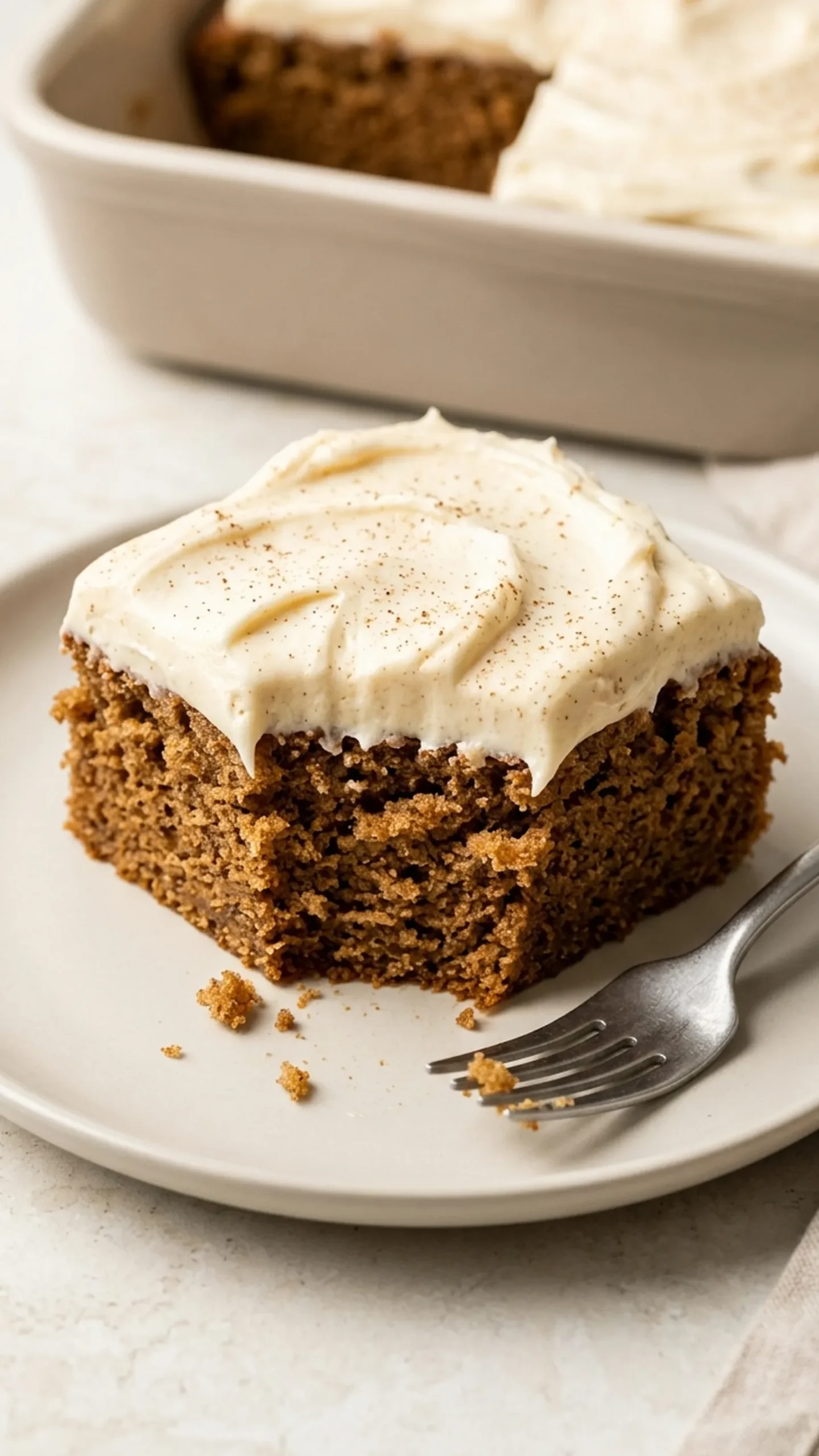
This homemade layer cake is baked in two round pans, then filled and covered with fluffy eggnog frosting. The recipe uses simple baking ingredients and a standard home oven, making it a practical choice for Christmas dinner, holiday parties, or seasonal gatherings. The cake layers can also be prepared ahead of time, allowing you to assemble and decorate the dessert closer to serving.
Why This Recipe Works
Brown sugar keeps the cake moist: Its molasses content contributes moisture, a soft crumb, and a gentle caramel flavor that complements the warming spices.
A balanced blend of holiday spices adds depth. Cinnamon provides warmth, ginger adds a little brightness, and nutmeg and cloves create a familiar Christmas spice flavor without overwhelming the cake.
Buttermilk helps create a tender crumb: Its acidity works with the baking soda while adding moisture and a subtle tang that balances the sweetness.
Eggnog gives the buttercream its seasonal character. Using eggnog in the frosting adds creamy vanilla and nutmeg notes without introducing too much liquid into the cake batter.
Cooling the layers before frosting protects the texture. Completely cooled cake prevents the buttercream from melting, sliding, or soaking into the layers.
Equipment Needed
- Two 8-inch (20 cm) round cake pans, preferably 2 inches (5 cm) deep
- Parchment paper for lining the pans
- Large mixing bowl
- Medium mixing bowl
- Electric hand mixer or stand mixer with paddle attachment
- Fine-mesh sieve or flour sifter
- Silicone spatula
- Wire cooling rack
- Offset spatula for frosting
- Serrated knife or cake leveler, if needed
- Cake stand or serving plate
Ingredients List
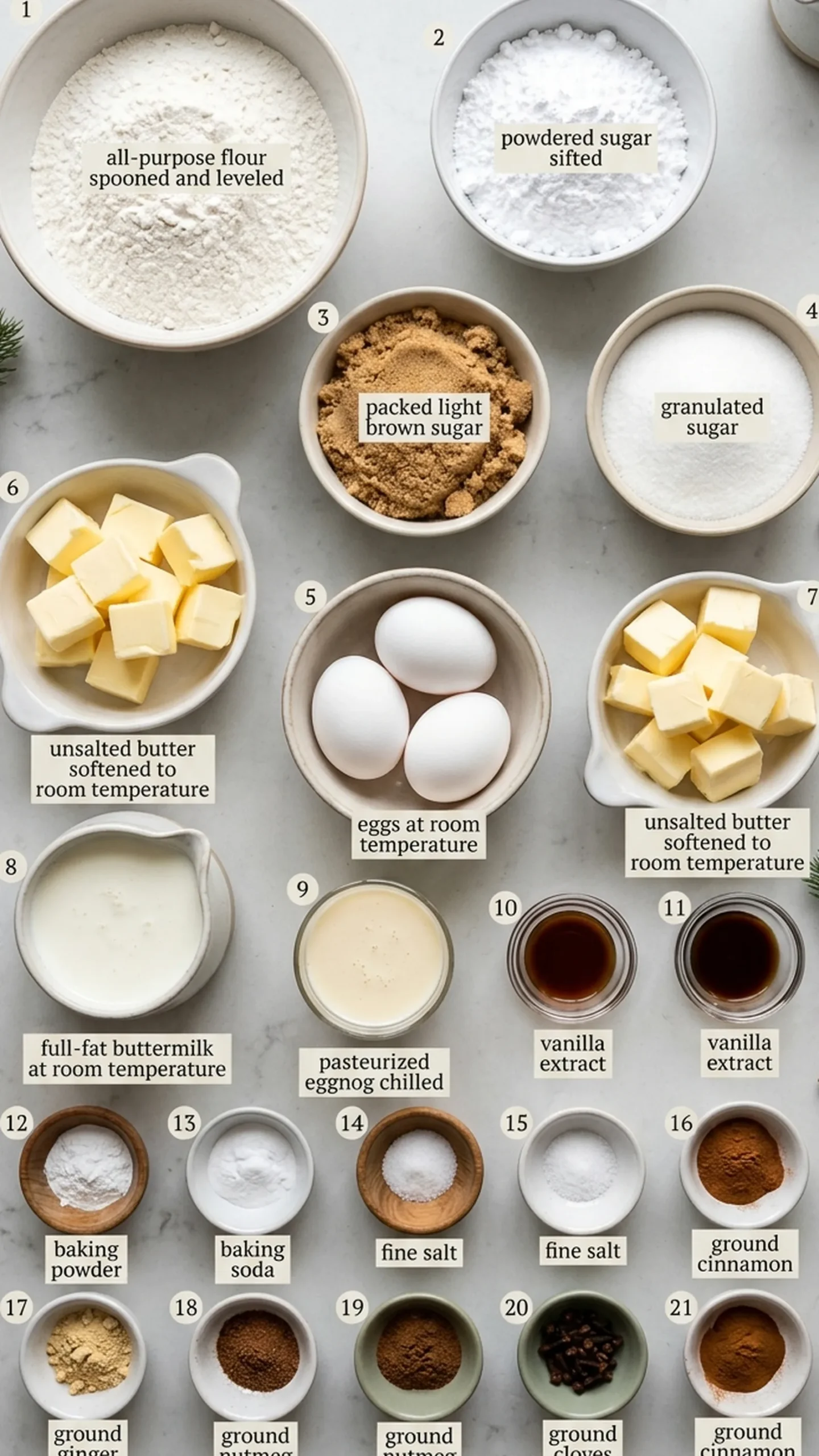
For the Christmas Spice Cake
- 2 1/2 cups (300 g) all-purpose flour, spooned and leveled
- 2 teaspoons (8 g) baking powder
- 1/2 teaspoon (2.5 g) baking soda
- 1/2 teaspoon (3 g) fine salt
- 2 teaspoons (5 g) ground cinnamon
- 1 teaspoon (2 g) ground ginger
- 1/2 teaspoon (1 g) ground nutmeg
- 1/4 teaspoon (0.5 g) ground cloves
- 3/4 cup (170 g) unsalted butter, softened to room temperature
- 1 cup (200 g) packed light brown sugar
- 1/2 cup (100 g) granulated sugar
- 3 large eggs (about 150 g without shells), at room temperature
- 2 teaspoons (10 ml) vanilla extract
- 1 cup (240 ml) full-fat buttermilk, at room temperature
For the Eggnog Buttercream
- 1 cup (226 g) unsalted butter, softened to room temperature
- 4 cups (480 g) powdered sugar, sifted
- 1/4 cup (60 ml) pasteurized eggnog, chilled
- 1 teaspoon (5 ml) vanilla extract
- 1/4 teaspoon (0.5 g) ground nutmeg
- 1/8 teaspoon (0.75 g) fine salt
Optional Decoration
- 1/4 teaspoon (0.5 g) ground cinnamon, optional, for lightly dusting the finished cake
Ingredient Notes and Substitutions
All-Purpose Flour: All-purpose flour provides enough structure to support the buttercream while keeping the cake tender. Measure by weight whenever possible because excess flour can make the layers dry and dense. Cake flour can replace the all-purpose flour by weight, although the cake may have a finer, softer crumb. Avoid using bread flour, which has a higher protein content and may produce a tougher texture.
Brown Sugar: Light brown sugar contributes moisture and a mild molasses flavor that enhances the cinnamon, ginger, and cloves. Dark brown sugar can be used in the same quantity for a deeper molasses flavor and slightly darker cake. Replacing all the brown sugar with granulated sugar may produce a less moist crumb.
Buttermilk: Buttermilk adds tenderness and helps the baking soda work effectively. Its slight acidity also balances the sweetness of the cake. An equal volume of plain kefir can be used as a substitute. The cake may have a slightly tangier flavor and a subtly different crumb.
Ground Spices: The combination of cinnamon, ginger, nutmeg, and cloves creates the cake's signature holiday flavor. Each spice contributes a different note, with cloves providing the strongest flavor. A prepared pumpkin pie spice blend can replace the combined ground spices in the same total volume. However, the exact flavor will depend on the blend, and some versions may contain allspice or different proportions of ginger and cloves.
Eggnog: Eggnog gives the buttercream its distinctive creamy, gently spiced flavor. A pasteurized, commercially prepared eggnog is a practical choice because the frosting is not cooked. A thick, commercially prepared dairy-free eggnog may work as a substitute, but its fat content and sweetness can affect the frosting's consistency. Add it gradually and stop if the buttercream becomes too soft.
Step-by-Step Instructions
Step 1: Prepare the Cake Pans and Dry Ingredients
Preheat your oven to 350°F (175°C).
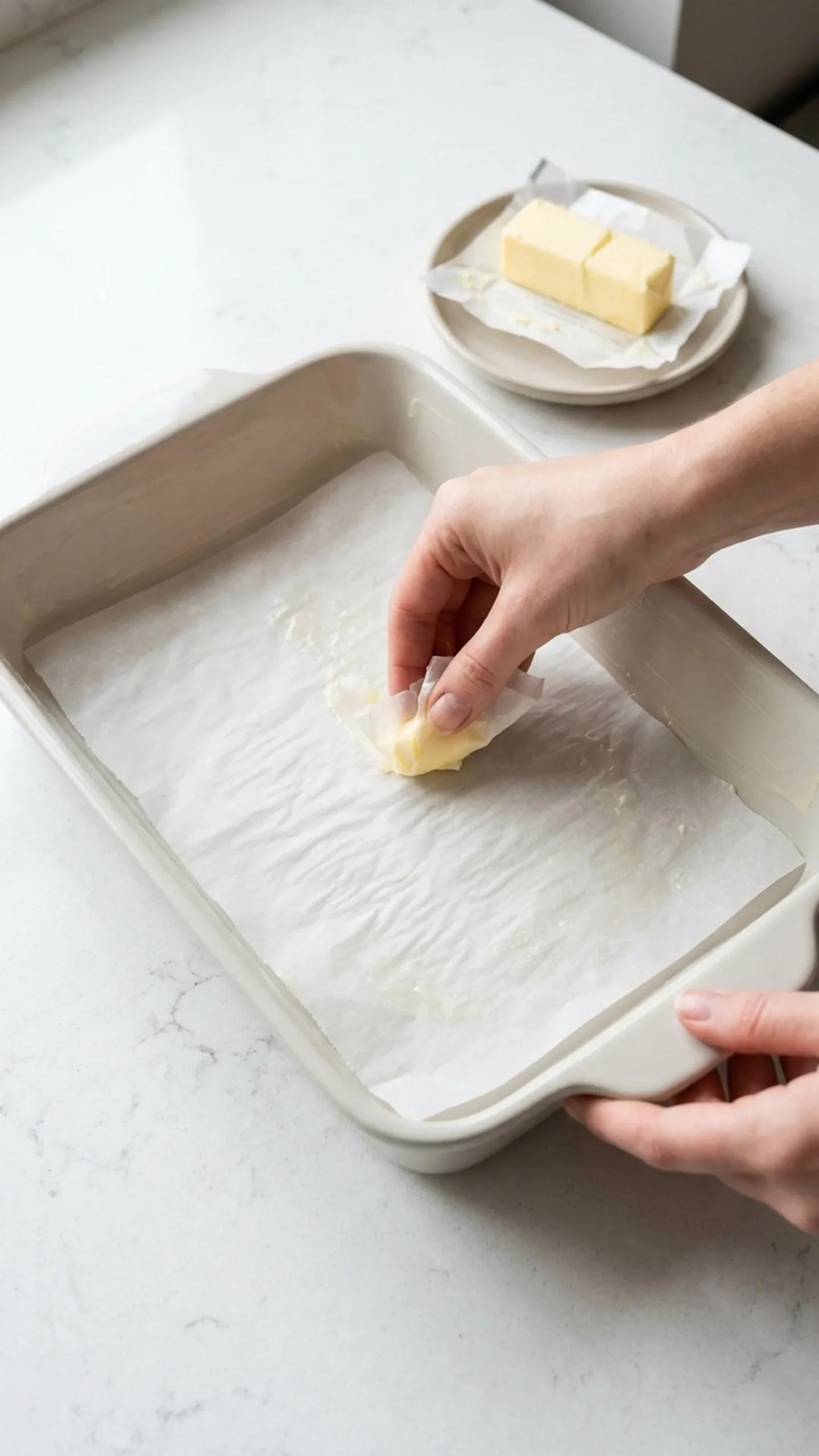
Line the bottoms of two 8-inch (20 cm) round cake pans with parchment paper. Lightly grease the parchment and sides of the pans using a small amount of the butter measured for the cake.
In a medium mixing bowl, whisk together the all-purpose flour, baking powder, baking soda, salt, cinnamon, ginger, nutmeg, and cloves.
Mix until the spices are evenly distributed and no visible clumps remain. Set the dry mixture aside.
Step 2: Cream the Butter and Sugars
Place the remaining softened cake butter in a large mixing bowl.
Add the light brown sugar and granulated sugar. Beat with an electric mixer on medium speed for 3–4 minutes, until the mixture looks lighter in color, fluffy, and well combined.
Scrape down the sides of the bowl as needed.
The mixture should appear creamy rather than greasy or separated. Proper creaming helps create a lighter cake texture.
Step 3: Add the Eggs and Vanilla
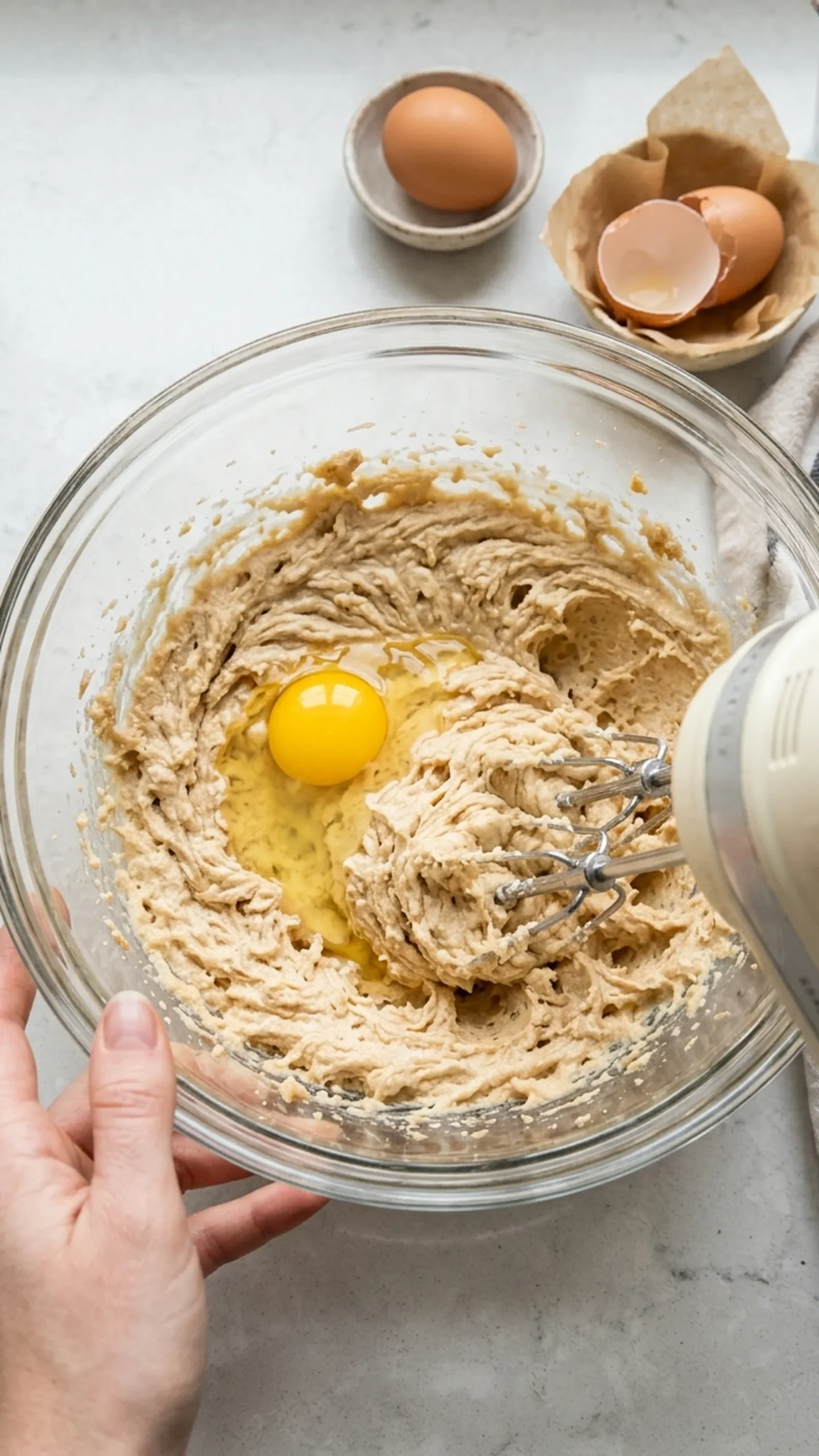
Add the eggs one at a time, beating on low to medium speed after each addition until incorporated.
Pour in the vanilla extract and mix briefly.
The batter should look thick, creamy, and mostly smooth. If it appears slightly curdled, do not worry; it should come together when the flour mixture is added.
Avoid beating excessively after the eggs are incorporated.
Step 4: Combine the Wet and Dry Ingredients
Reduce the mixer speed to low.
Add the dry ingredient mixture in three additions, alternating with the buttermilk in two additions. Begin and end with the dry ingredients.
Mix just until the flour disappears after each addition.
Use a silicone spatula to scrape the bottom and sides of the bowl, folding gently to incorporate any remaining dry patches.
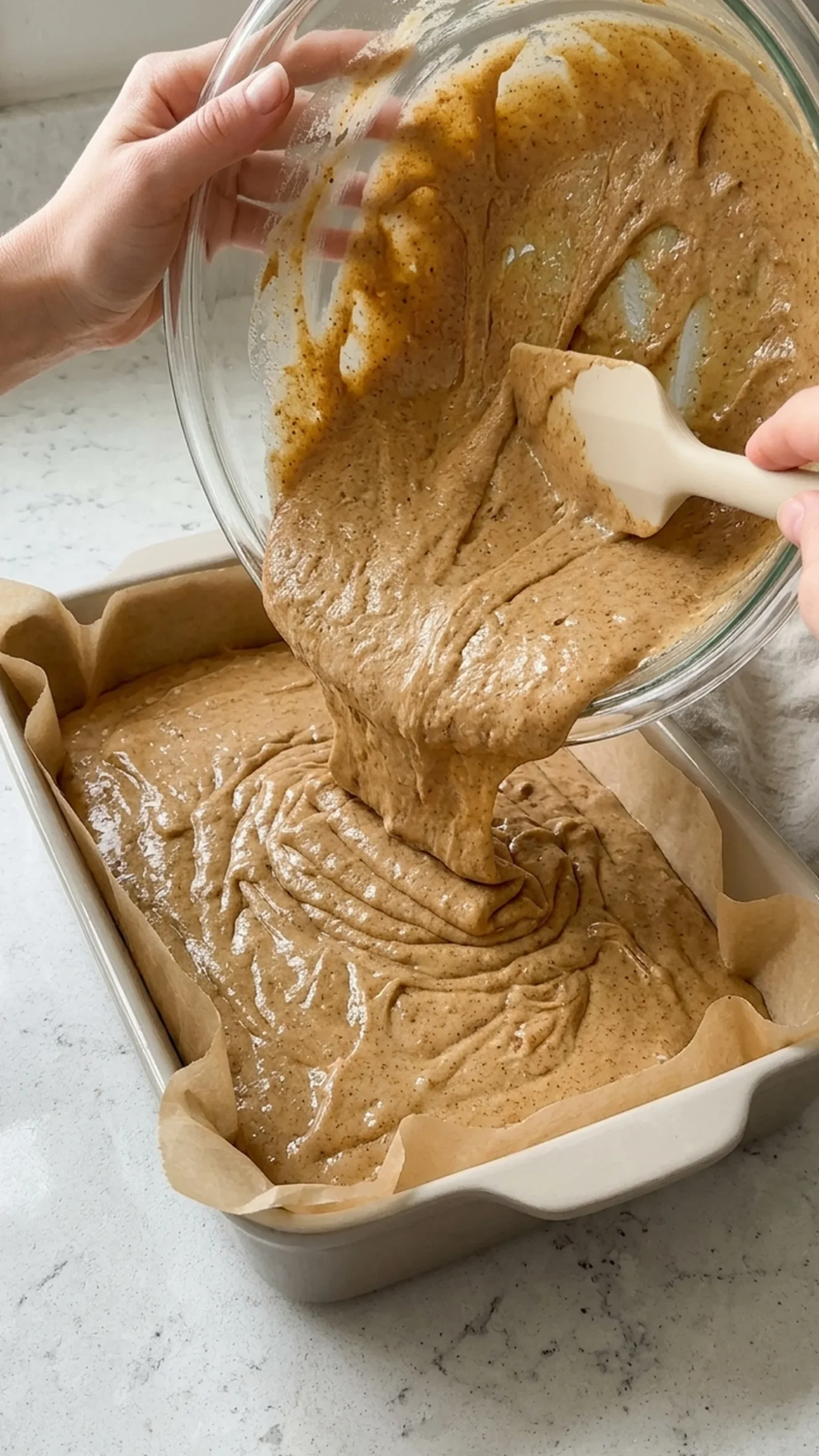
The finished batter should be thick, smooth, and spreadable, with visible specks of warm spices.
If the batter seems unusually stiff, check that all the measured buttermilk has been incorporated before making any adjustments.
Step 5: Divide the Batter Between the Pans
Divide the batter evenly between the prepared cake pans.
Use an offset spatula to smooth the tops and gently tap each pan against the countertop to release large trapped air pockets.
The batter should settle into an even layer without becoming runny.
Keeping the layers approximately equal helps them bake at the same rate and makes stacking easier.
Step 6: Bake the Spice Cake Layers
Place both pans on the center oven rack, leaving space between them for air circulation.
Bake at 350°F (175°C) for 28–32 minutes, or until the tops are lightly golden brown and the centers spring back when gently pressed.
Insert a toothpick into the center of each cake. It should come out clean or with a few moist crumbs, but no wet batter.
If the tops are browning before the centers finish baking, loosely cover the pans with foil for the remaining baking time.
Avoid opening the oven repeatedly during the early stages of baking, as sudden temperature changes can cause the cakes to sink.
Step 7: Cool the Cake Layers Completely
Remove the pans from the oven and place them on a wire rack.
Let the cakes cool in their pans for 15 minutes.
Carefully run a thin knife around the edges, then turn the cakes out onto the rack. Remove the parchment paper and allow the layers to cool completely for approximately 1 hour 45 minutes more.
The cakes must feel completely cool to the touch before frosting. Even slightly warm layers can soften the buttercream and cause the assembled cake to slide.
Step 8: Prepare the Eggnog Buttercream
Place the softened butter for the frosting in a clean mixing bowl.
Beat on medium speed for 3–4 minutes until pale, smooth, and creamy.
Gradually add the sifted powdered sugar, mixing on low speed until incorporated.
Add the chilled pasteurized eggnog, vanilla extract, ground nutmeg, and fine salt.
Beat on medium speed for another 2–3 minutes until the frosting becomes light, fluffy, and spreadable.
The buttercream should hold soft peaks and spread smoothly without running.
If it appears too loose, refrigerate it briefly until it firms up, then beat again. If it looks grainy, continue mixing until the sugar is evenly incorporated.
Step 9: Level and Fill the Cake
Place one completely cooled cake layer on a cake stand or serving plate.
If the top is noticeably domed, use a serrated knife to trim it flat.
Spread approximately one-third of the eggnog buttercream over the first layer, creating an even filling that reaches close to the edges.
Carefully position the second cake layer on top, placing its flattest side upward.
Press very gently to settle the layers without squeezing out the filling.
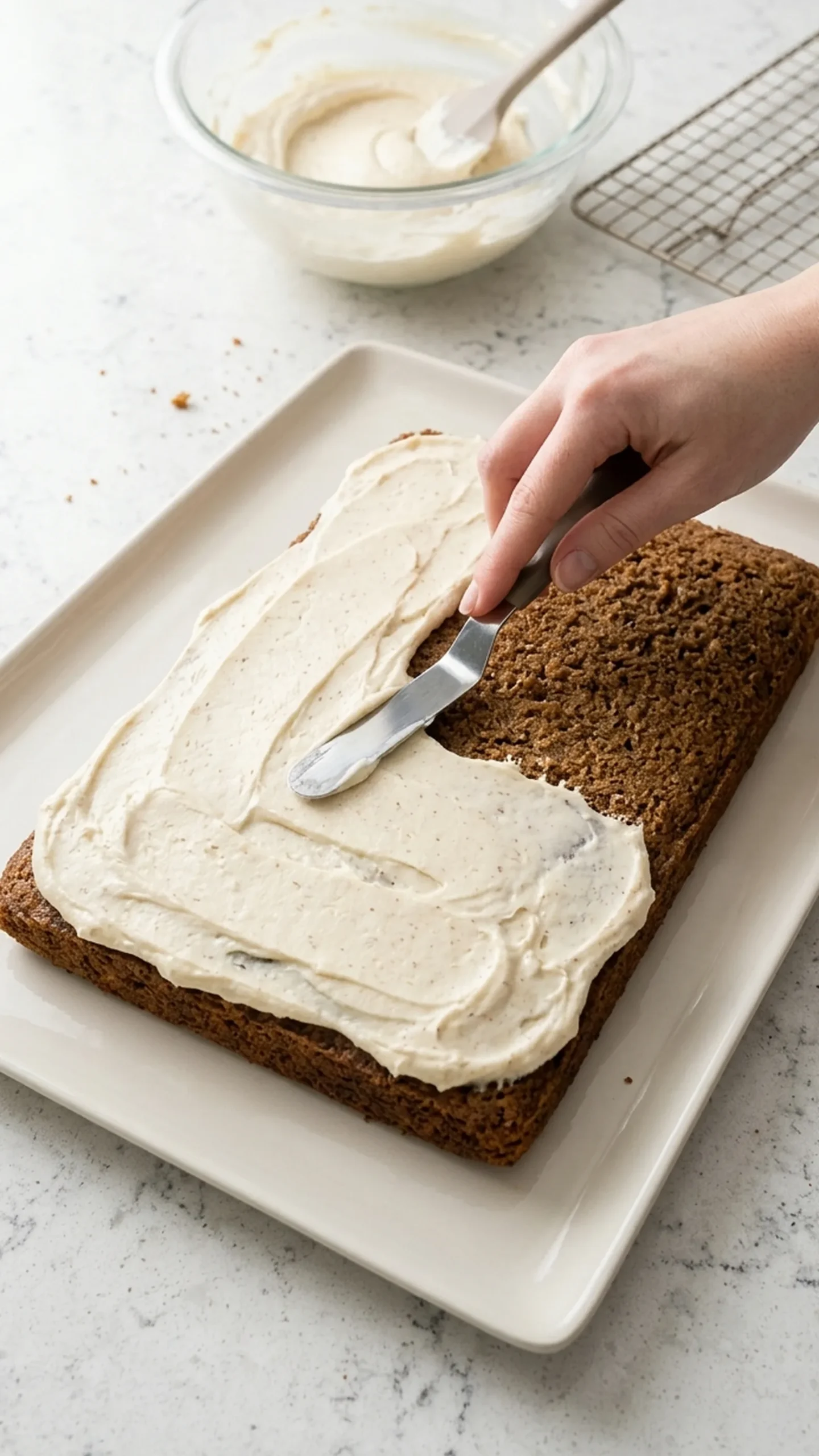
Step 10: Frost the Outside of the Cake
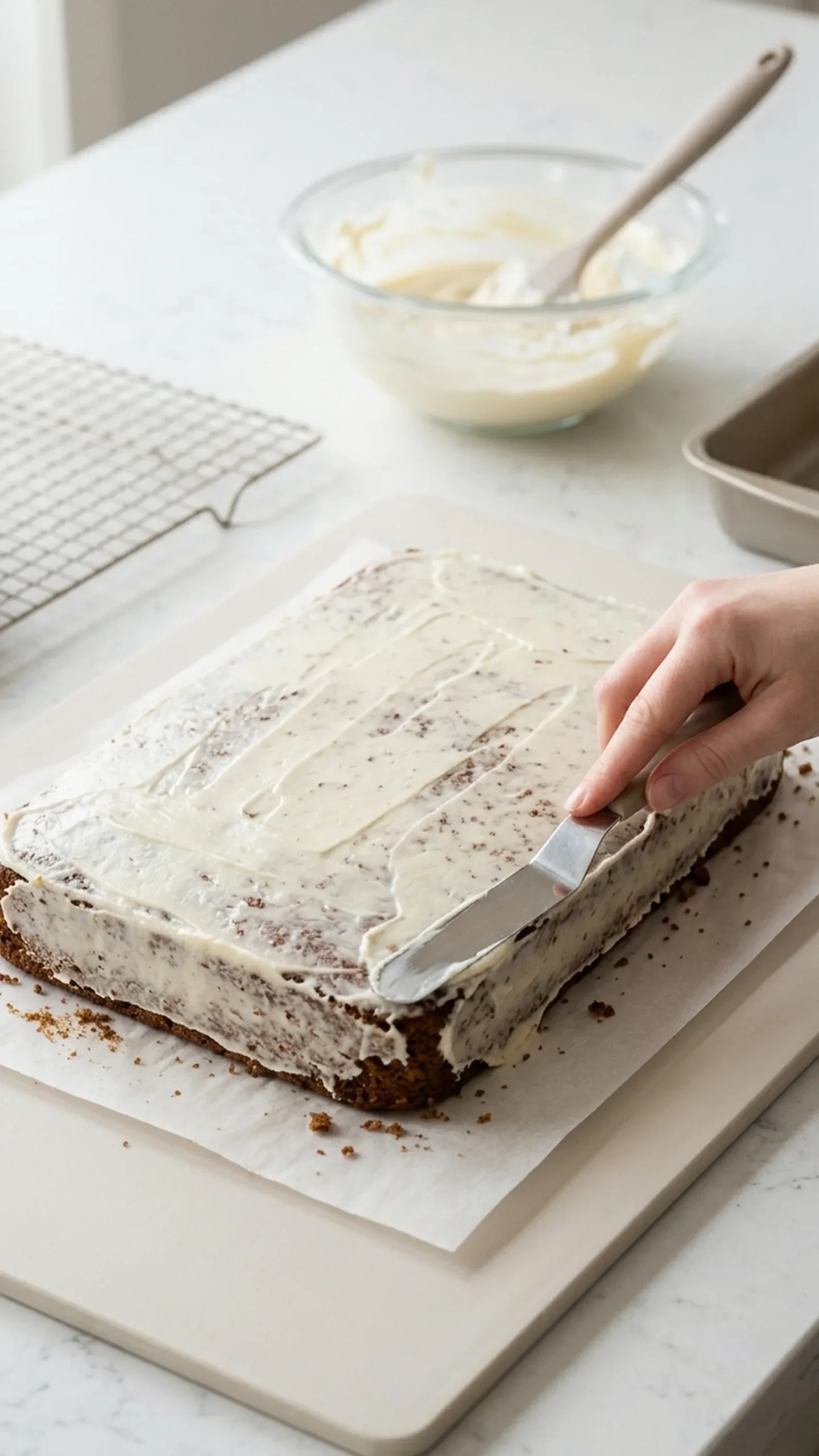
Spread a thin layer of the remaining buttercream over the top and sides of the cake to trap loose crumbs.
Refrigerate the cake for 15 minutes, or until this crumb coat feels slightly firm.
Use the remaining buttercream to frost the top and sides evenly.
Smooth the frosting with an offset spatula or create gentle swirls for a more rustic holiday appearance.
The finished buttercream should be creamy and stable enough to hold its shape.
Step 11: Decorate and Serve
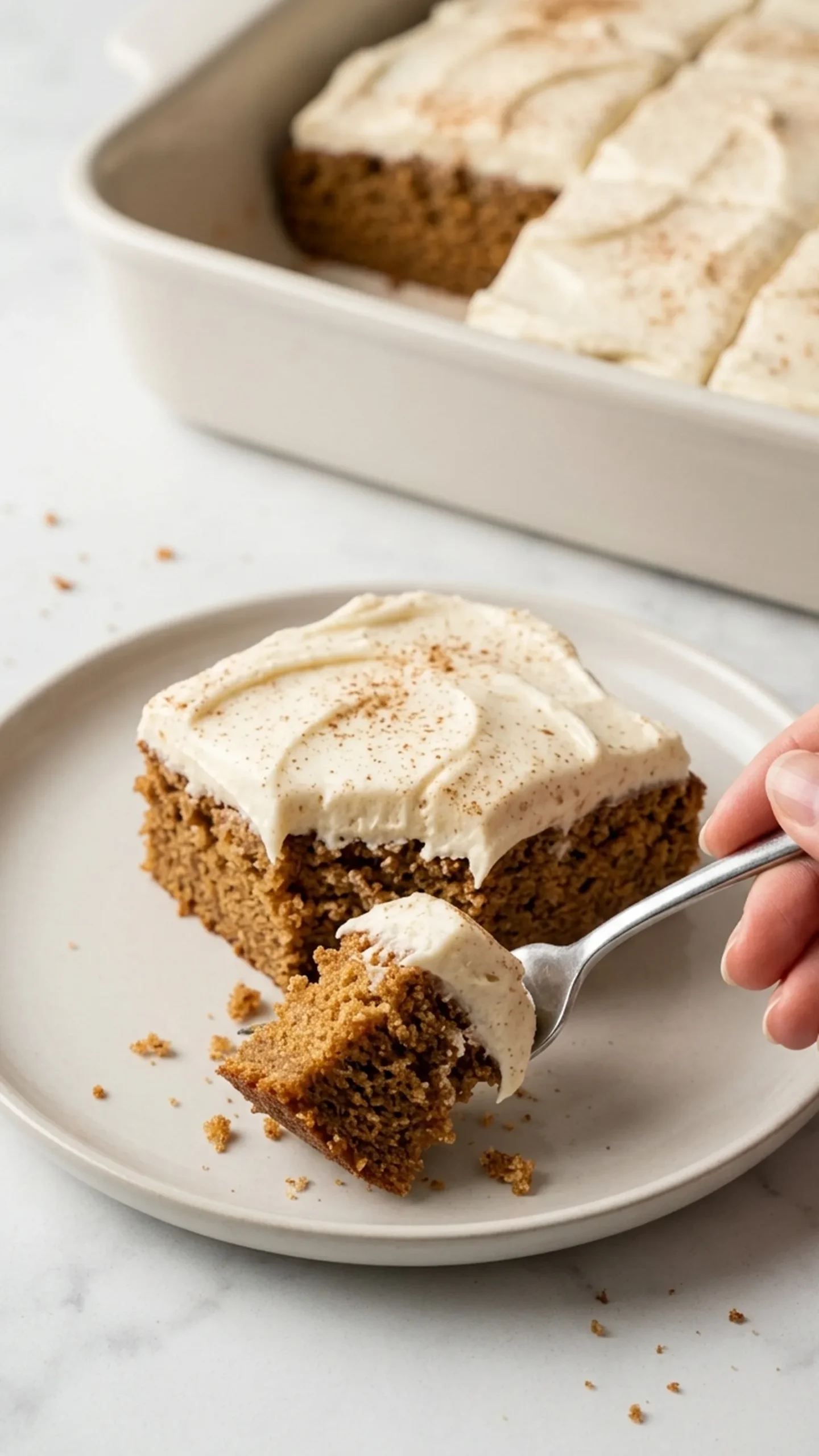
If desired, lightly dust the top of the cake with the optional ground cinnamon.
For a simple presentation, leave the buttercream with soft swirls rather than smoothing it completely.
Slice with a sharp knife, wiping the blade between cuts for cleaner portions.
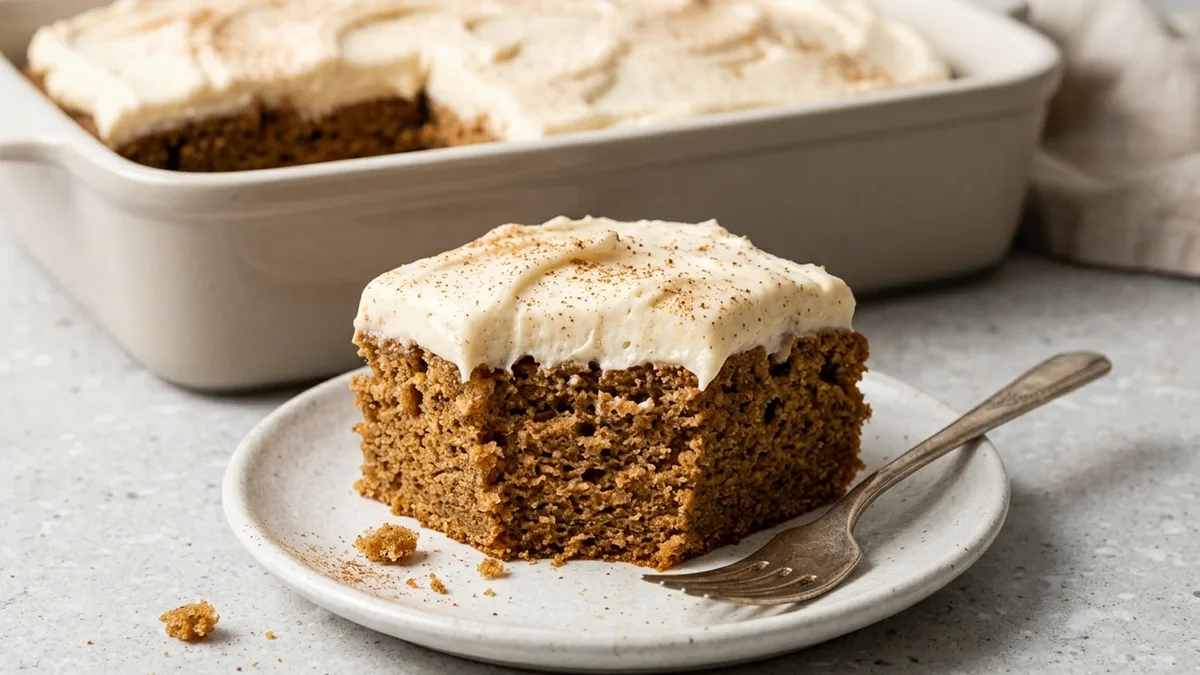
The finished Christmas Spice Cake with Eggnog Buttercream should have tender, evenly baked layers and a creamy frosting with a distinct but balanced eggnog flavor.
Storage, Freezing, and Make-Ahead Instructions
Refrigerator Storage: Because the buttercream contains eggnog, store the finished cake in the refrigerator. Place it in a covered cake container or loosely cover it without pressing the wrapping against the frosting. Refrigerate for up to 4 days. For the softest texture, allow individual slices to stand briefly at room temperature before serving. Avoid leaving the frosted cake out for more than 2 hours.
Freezing the Cake Layers: The unfrosted cake layers can be frozen for up to 2 months. Allow them to cool completely, then wrap each layer tightly in plastic wrap and place it in a freezer-safe bag or airtight container. Thaw the wrapped layers in the refrigerator before unwrapping and frosting. Keeping them wrapped during thawing helps reduce surface condensation.
Freezing the Frosted Cake: The assembled cake can also be frozen, although the buttercream may become slightly less fluffy after thawing. Place the cake in the freezer until the frosting is firm, then wrap it carefully and transfer it to a freezer-safe container. Freeze for up to 1 month for the best texture. Thaw overnight in the refrigerator while covered. Remove the wrapping carefully once the frosting has firmed and the cake is thawed.
Make-Ahead Instructions: The cake layers can be baked a day before assembly. Once completely cool, wrap them tightly and refrigerate until needed. The eggnog buttercream can also be prepared ahead and refrigerated in an airtight container for up to 3 days. Before decorating, let the frosting soften until spreadable, then beat briefly to restore its creamy texture. For the neatest presentation, add the optional cinnamon dusting shortly before serving.
FAQ
Can I make Christmas Spice Cake with Eggnog Buttercream ahead of time?
Yes. Bake the cake layers a day ahead, wrap them tightly once cool, and refrigerate. Prepare the buttercream separately or assemble the cake in advance. Store the finished cake covered in the refrigerator and let the slices soften slightly before serving for a more tender texture.
Why did my spice cake turn out dense?
A dense cake is often caused by too much flour, overmixing after the flour is added, or butter that was not creamed sufficiently with the sugars. Weighing the flour and mixing gently during the final stages can help produce a softer crumb. Expired leavening agents may also prevent the cake from rising properly.
Can I make the eggnog buttercream without eggnog?
Yes, although the frosting will lose its distinctive eggnog character. An equal amount of whole milk can replace the eggnog, producing a more traditional vanilla-nutmeg buttercream. Because milk is thinner than some eggnog varieties, add it gradually and stop once the frosting reaches a spreadable consistency.
How do I prevent the cake layers from sliding?
Make sure the cake layers are completely cool and the buttercream is thick enough to hold its shape. A filling that is too warm or soft can allow the upper layer to move. Chilling the crumb-coated cake before applying the final frosting also helps stabilize the layers.
Can I bake this recipe in a different pan?
A 9 x 13-inch (23 x 33 cm) rectangular pan can be used for a single-layer version. The batter will bake as one sheet rather than two round layers, and the baking time may differ. Begin checking for doneness around the original baking window and continue until the center springs back and a toothpick shows no wet batter. Spread the buttercream over the completely cooled cake.
Craving similar flavors from the kitchen? Don’t miss Christmas Cake Dip, Little Debbie Christmas Tree Cake Truffles, Cake Mix Christmas Cookies, and No Bake Christmas Peppermint Pie.

Christmas Spice Cake with Eggnog Buttercream
Ingredients
Method
- Preheat your oven to 350°F (175°C). Line the bottoms of two 8-inch (20 cm) round cake pans with parchment paper. Lightly grease the parchment and sides of the pans using a small amount of the butter measured for the cake. In a medium mixing bowl, whisk together the all-purpose flour, baking powder, baking soda, salt, cinnamon, ginger, nutmeg, and cloves. Mix until the spices are evenly distributed and no visible clumps remain. Set the dry mixture aside.
- Place the remaining softened cake butter in a large mixing bowl. Add the light brown sugar and granulated sugar. Beat with an electric mixer on medium speed for 3–4 minutes, until the mixture looks lighter in color, fluffy, and well combined. Scrape down the sides of the bowl as needed. The mixture should appear creamy rather than greasy or separated. Proper creaming helps create a lighter cake texture.
- Add the eggs one at a time, beating on low to medium speed after each addition until incorporated. Pour in the vanilla extract and mix briefly. The batter should look thick, creamy, and mostly smooth. If it appears slightly curdled, do not worry; it should come together when the flour mixture is added. Avoid beating excessively after the eggs are incorporated.
- Reduce the mixer speed to low: Add the dry ingredient mixture in three additions, alternating with the buttermilk in two additions. Begin and end with the dry ingredients. Mix just until the flour disappears after each addition. Use a silicone spatula to scrape the bottom and sides of the bowl, folding gently to incorporate any remaining dry patches. The finished batter should be thick, smooth, and spreadable, with visible specks of warm spices. If the batter seems unusually stiff, check that all the measured buttermilk has been incorporated before making any adjustments.
- Divide the batter evenly between the prepared cake pans. Use an offset spatula to smooth the tops and gently tap each pan against the countertop to release large trapped air pockets. The batter should settle into an even layer without becoming runny. Keeping the layers approximately equal helps them bake at the same rate and makes stacking easier.
- Place both pans on the center oven rack, leaving space between them for air circulation. Bake at 350°F (175°C) for 28–32 minutes, or until the tops are lightly golden brown and the centers spring back when gently pressed. Insert a toothpick into the center of each cake. It should come out clean or with a few moist crumbs, but no wet batter. If the tops are browning before the centers finish baking, loosely cover the pans with foil for the remaining baking time. Avoid opening the oven repeatedly during the early stages of baking, as sudden temperature changes can cause the cakes to sink.
- Remove the pans from the oven and place them on a wire rack. Let the cakes cool in their pans for 15 minutes. Carefully run a thin knife around the edges, then turn the cakes out onto the rack. Remove the parchment paper and allow the layers to cool completely for approximately 1 hour 45 minutes more. The cakes must feel completely cool to the touch before frosting. Even slightly warm layers can soften the buttercream and cause the assembled cake to slide.
- Place the softened butter for the frosting in a clean mixing bowl. Beat on medium speed for 3–4 minutes until pale, smooth, and creamy. Gradually add the sifted powdered sugar, mixing on low speed until incorporated. Add the chilled pasteurized eggnog, vanilla extract, ground nutmeg, and fine salt. Beat on medium speed for another 2–3 minutes until the frosting becomes light, fluffy, and spreadable. The buttercream should hold soft peaks and spread smoothly without running. If it appears too loose, refrigerate it briefly until it firms up, then beat again. If it looks grainy, continue mixing until the sugar is evenly incorporated.
- Place one completely cooled cake layer on a cake stand or serving plate. If the top is noticeably domed, use a serrated knife to trim it flat. Spread approximately one-third of the eggnog buttercream over the first layer, creating an even filling that reaches close to the edges. Carefully position the second cake layer on top, placing its flattest side upward. Press very gently to settle the layers without squeezing out the filling.
- Spread a thin layer of the remaining buttercream over the top and sides of the cake to trap loose crumbs. Refrigerate the cake for 15 minutes, or until this crumb coat feels slightly firm. Use the remaining buttercream to frost the top and sides evenly. Smooth the frosting with an offset spatula or create gentle swirls for a more rustic holiday appearance. The finished buttercream should be creamy and stable enough to hold its shape.
- If desired, lightly dust the top of the cake with the optional ground cinnamon. For a simple presentation, leave the buttercream with soft swirls rather than smoothing it completely. Slice with a sharp knife, wiping the blade between cuts for cleaner portions. The finished Christmas Spice Cake with Eggnog Buttercream should have tender, evenly baked layers and a creamy frosting with a distinct but balanced eggnog flavor.