If you’re looking for an indulgent dessert that combines crispy pastry with a rich and creamy filling, look no further than the Creamy Italian Cannoncini Treats. These delightful pastries are perfect for any occasion, whether it’s a family gathering or a festive celebration. Originating from Italy, cannoncini are small cones made from puff pastry. They are traditionally filled with a sweet cream that melts in your mouth. Each bite of these treats delivers not only an explosion of flavor but also textures that keep you coming back for more. The contrast between the crunchy exterior and the smooth filling is simply irresistible.
In this article, we will guide you through the process of making these delicious pastries from scratch. Not only will you learn about the essential ingredients required to achieve that perfect taste and texture, but we will also provide step-by-step instructions to make your cooking experience enjoyable and straightforward. By the end of this guide, you will be equipped to impress your friends and family with your culinary skills as you serve up these Creamy Delight: Italian Cannoncini Treats straight from your kitchen.
Get ready to dive into the world of Italian desserts! With this detailed recipe at your fingertips, you’ll create stunning cannoncini that look as good as they taste. Let’s get started on this sweet journey!

Main Ingredients
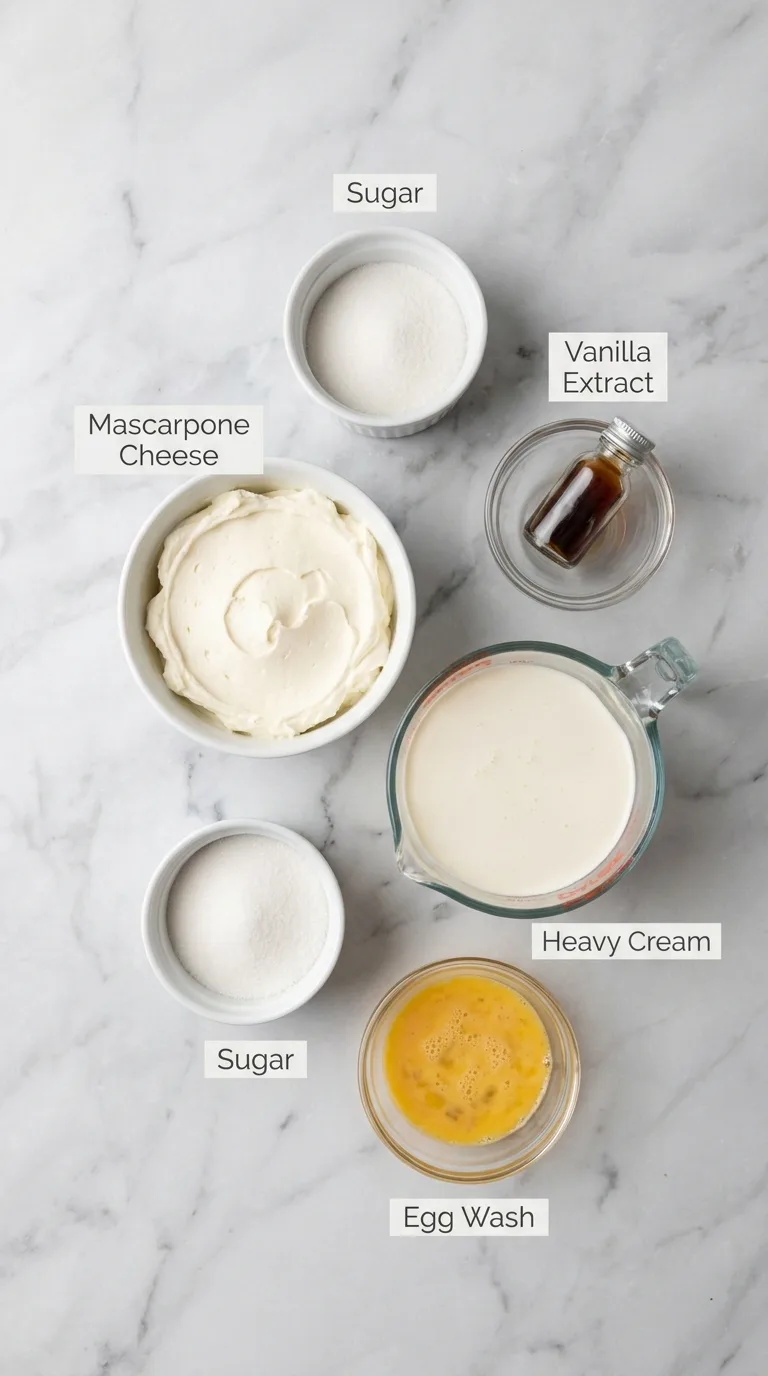
To create the perfect Creamy Delight: Italian Cannoncini Treats, you’ll need some core ingredients that come together beautifully to form this exquisite dessert. Below is a list of each ingredient along with precise measurements and explanations.
Puff Pastry (500g)
Puff pastry is the star of this recipe. It consists of layers of dough separated by butter, which creates a light and flaky texture when baked. You can either make puff pastry from scratch or buy it pre-made from grocery stores. For best results, ensure its thawed properly before use if frozen.
Heavy Cream (250ml)
Heavy cream adds richness to the filling of your cannoncini. Its high fat content allows it to whip up nicely into soft peaks without collapsing. This is crucial for achieving that luscious creamy texture inside each cone.
Mascarpone Cheese (250g)
Mascarpone cheese provides a unique flavor profile for our cannoncini filling. This soft cheese has a slightly sweet taste and velvety texture that pairs perfectly with heavy cream. Combining mascarpone with whipped cream creates an indulgent filling that’s simply divine.
Sugar (100g)
Sugar balances the flavors in our filling while providing sweetness to counteract the richness of cream and cheese. You can adjust the amount according to your preference or substitute it with powdered sugar for easier incorporation into the cream mixture.
Vanilla Extract (1 tsp)
Vanilla extract enhances all other flavors in this dessert by adding warmth and depth. Always opt for pure vanilla extract over artificial versions for the best flavor result in your creamy mixture.
Egg Wash (1 egg + 1 tbsp water)
An egg wash is essential for giving your puff pastry a beautiful golden color when baked. Simply beat one egg with water to create this wash which should be brushed onto each rolled pastry before baking.

How to Prepare Creamy Delight: Italian Cannoncini Treats
Creating Creamy Delight: Italian Cannoncini Treats involves several steps that lead to delicious results. Follow these detailed instructions carefully.
Step 1: Preparing the Puff Pastry
Begin by preheating your oven to 200°C (400°F). If you’re using store-bought puff pastry, roll it out on a lightly floured surface until it’s about 3mm thick for optimal crispiness when baked. Cut strips approximately 2cm wide; they should be long enough to wrap around your cannoncini molds or cones completely.
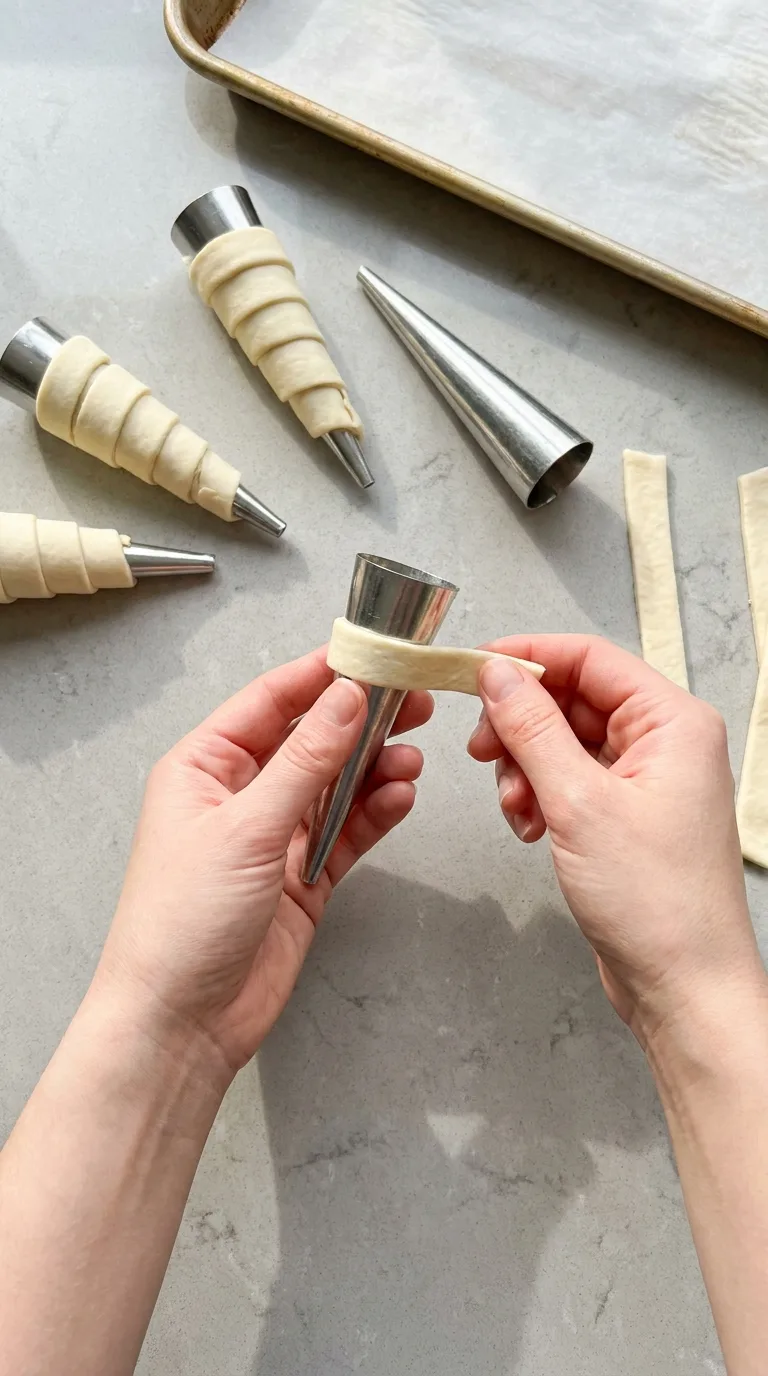
Once you’ve cut out all strips, it’s time to wrap them around molds. Start at one end of each mold and tightly spiral-wrap the puff pastry around until you reach the top; overlap slightly as you go along for even baking.
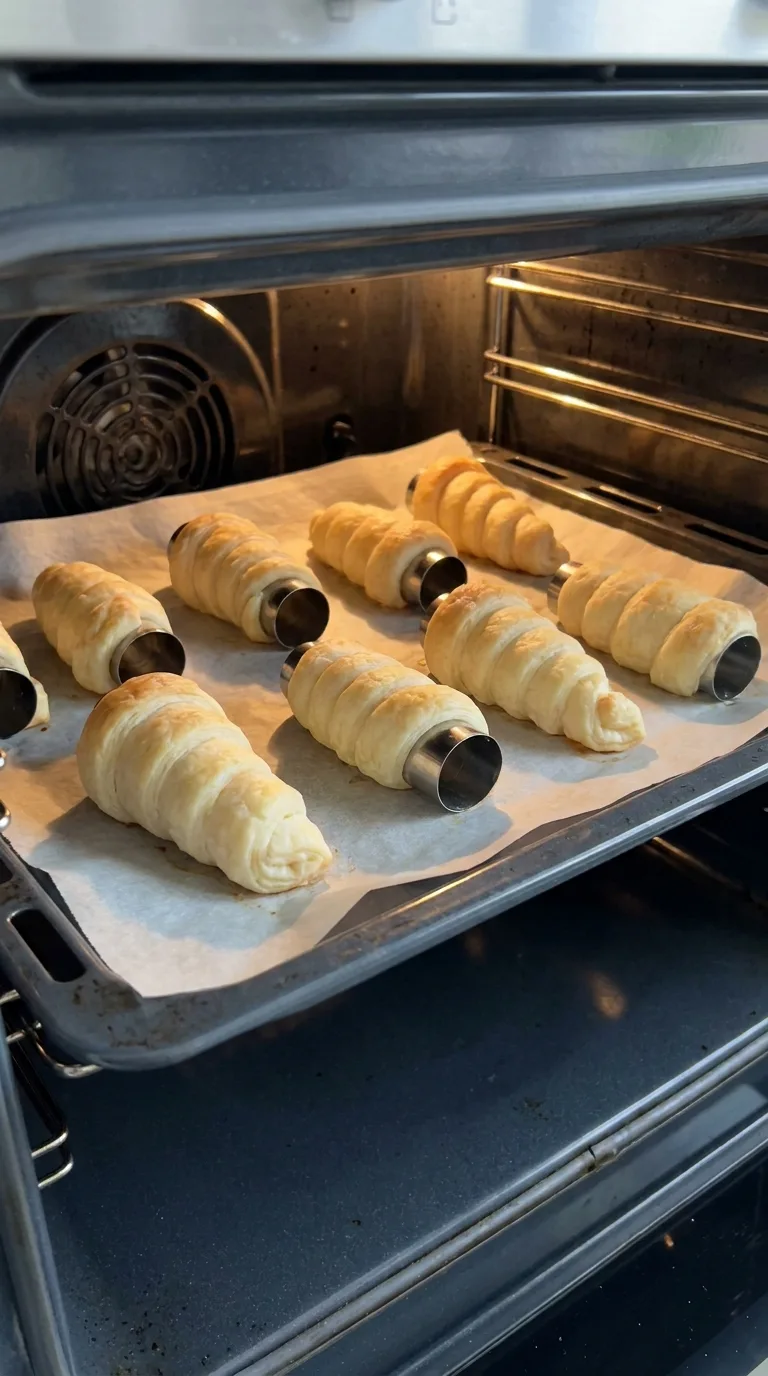
Next, place these wrapped molds on a baking sheet lined with parchment paper after brushing them lightly with egg wash using a brush or spoon—this gives them their lovely golden hue when baked.
Bake in preheated oven for about 15–20 minutes or until golden brown; keep an eye on them as baking times may vary based on oven efficiency! Once done, remove from oven and let cool slightly before carefully removing molds while they’re still warm; otherwise, they might stick!
Step 2: Making the Cream Filling
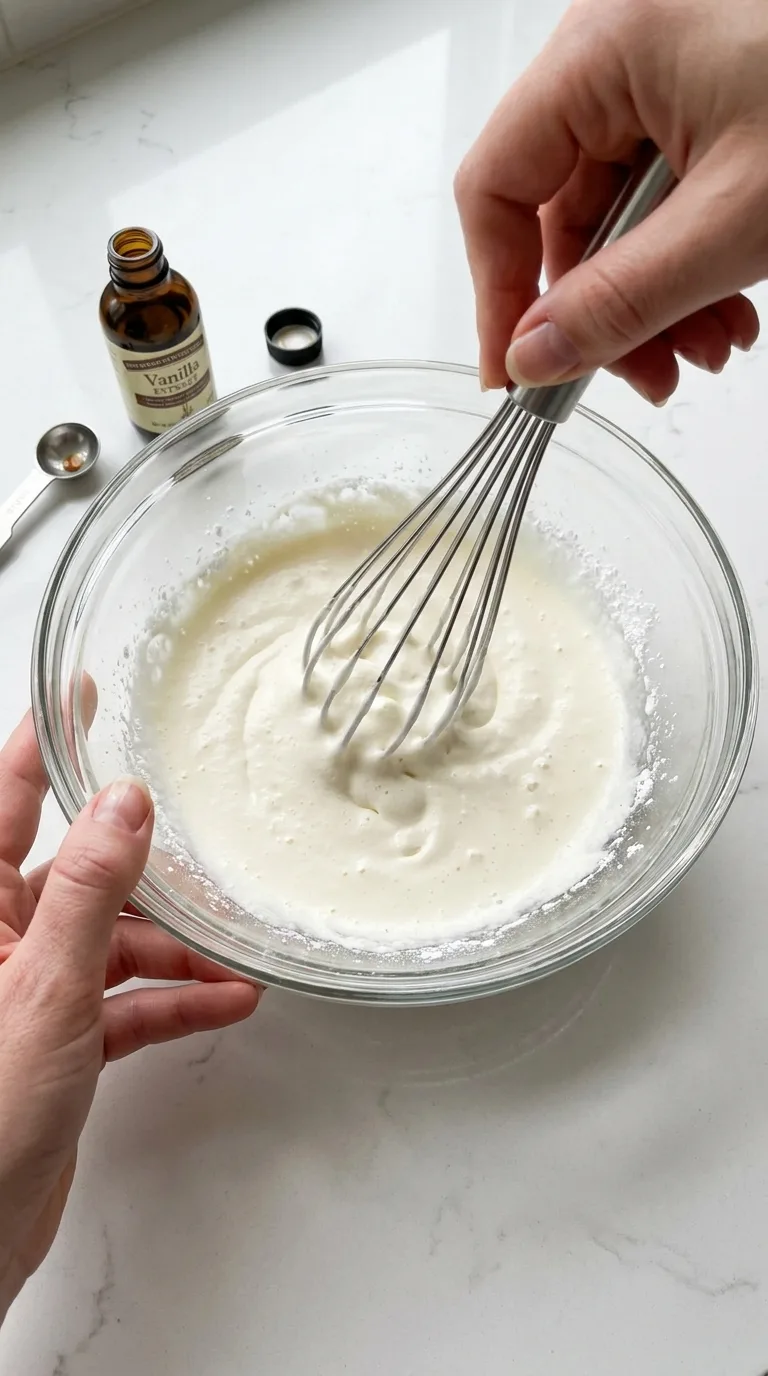
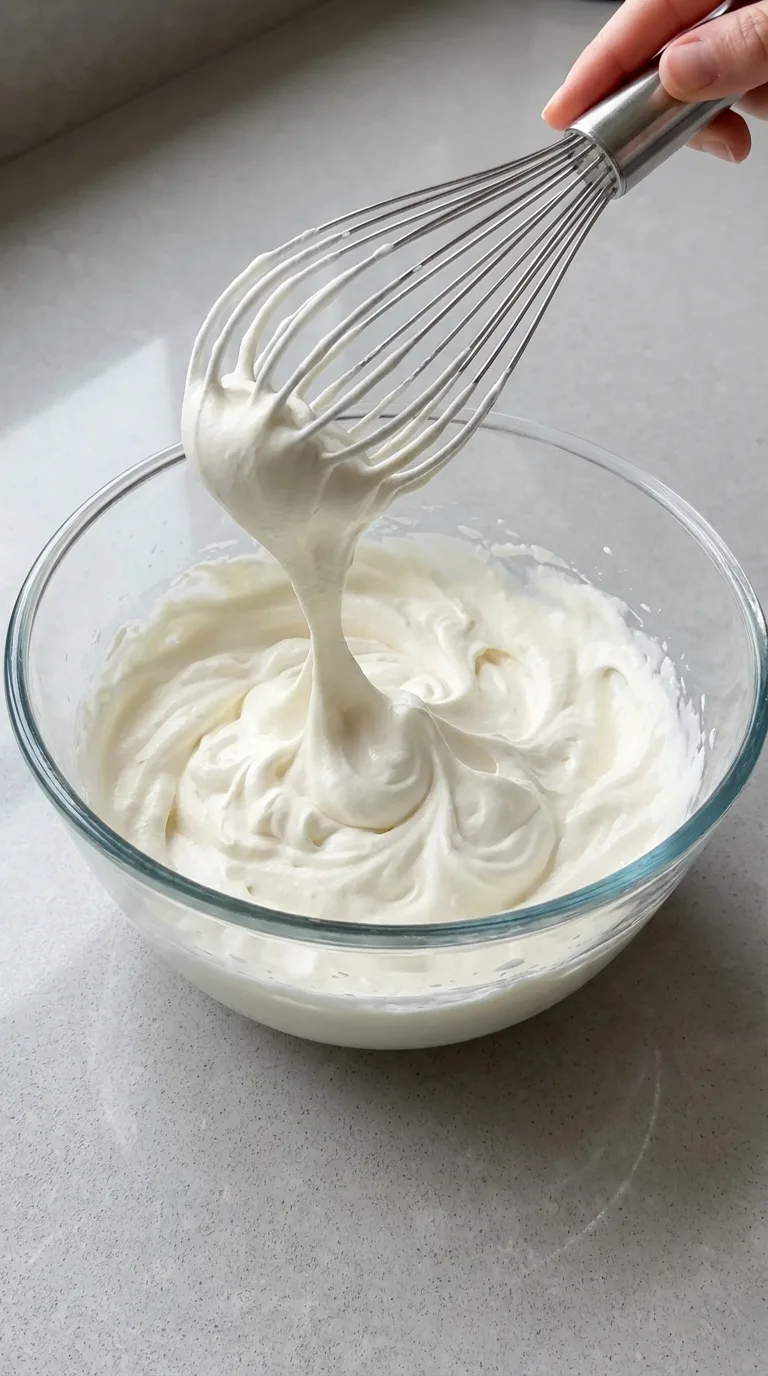
While your puff pastry cools down completely after baking, focus on preparing the cream filling which forms the heart of our Creamy Delight: Italian Cannoncini Treats! In a mixing bowl, combine heavy cream and mascarpone cheese; using an electric mixer or whisking vigorously by hand works great here!
Whip these two together until soft peaks form—this usually takes around 3–5 minutes depending on speed settings used on mixers! Gradually add sugar while continuing to mix until everything is well incorporated into fluffy goodness resembling whipped frosting!
Finally, add vanilla extract—just one teaspoon—and blend again briefly so flavors meld perfectly without losing fluffiness! Transfer this delightful mixture into piping bags fitted with large star tips; set aside until ready for assembly!
Step 3: Assembling Your Cannoncini
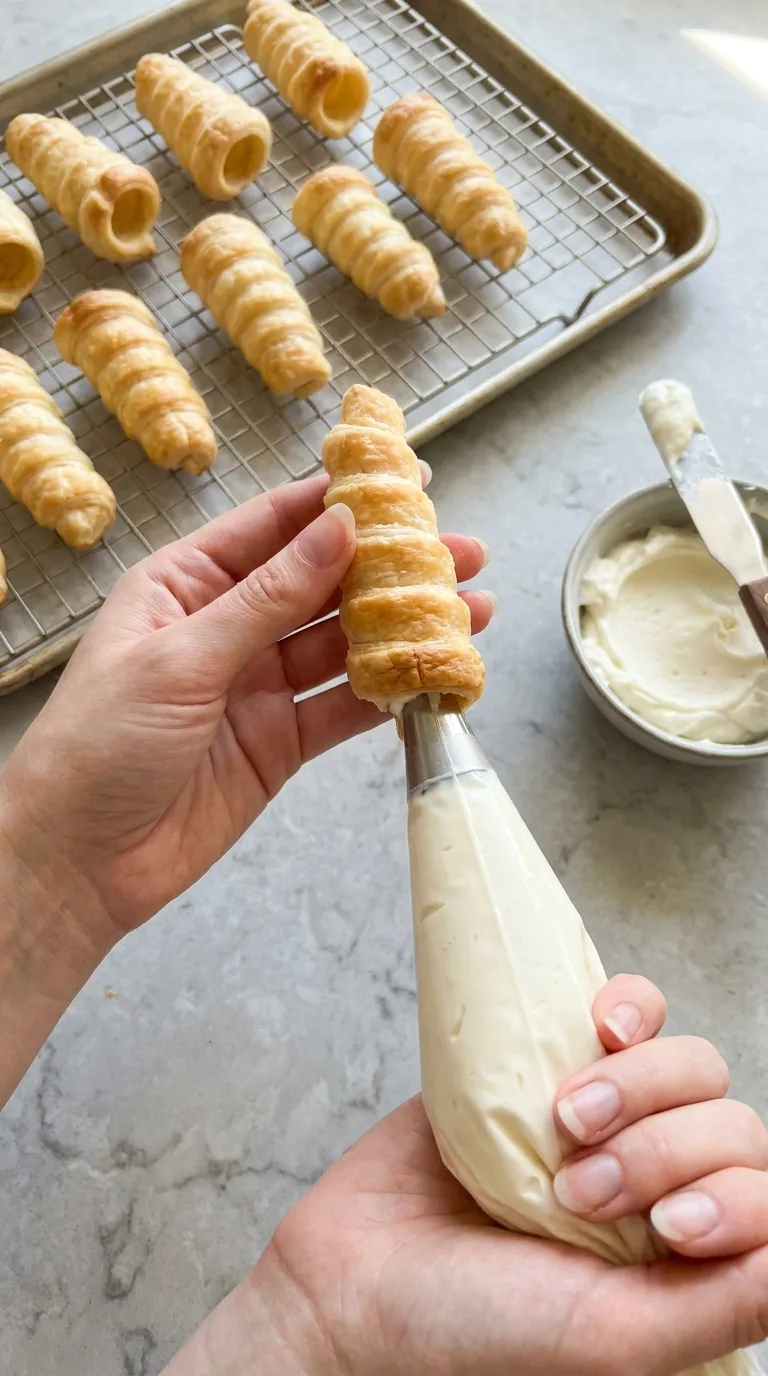
Now comes perhaps one of my favorite parts—the assembly! Take cooled puff pastry shells carefully holding them upright as you prepare to fill those crispy delights! With prepared piping bag full of luscious cream filling at hand start inserting tip directly into opening at top edge ensuring not too much pressure escapes out sides lest we lose all that yummy goodness!
Gently squeeze bag while twisting slightly—you’ll notice how quickly those beautiful swirls form inside each cone! Repeat this process until all shells are filled generously but avoid overstuffing since they might crack under pressure during serving later on!
Once filled proudly display assembled cannoncini treats onto decorative plates garnishing optionally if desired—consider using dusting powdered sugar over tops or drizzling melted chocolate sauce atop finished pastries for extra decadence!
Serving and Storing Tips
Knowing how best to serve and store your Creamy Delight: Italian Cannoncini Treats ensures maximum enjoyment whether you’re entertaining guests or simply treating yourself!
Serving Suggestions
These delightful treats are best served fresh right after assembling them; however feel free to get creative with presentation! Consider placing on platters alongside fresh fruits like strawberries or raspberries which pair exceptionally well both visually & flavor-wise providing vibrant pops against golden pastries!
For added flair sprinkle some chopped nuts such as pistachios over fillings before serving—it adds crunch alongside creamy textures making bites even more enjoyable! Serve alongside coffee or tea as perfect complements bringing out flavors beautifully enhancing overall experience during gatherings—guests will rave about these gorgeous desserts long after they’ve vanished!
Storage Guidelines
If you’re lucky enough to have leftovers—or want prep ahead—store filled cannoncini in airtight containers placed within refrigerator where they’ll keep fresh up till two days maximum although recommend consuming within first day post assembly due risk moisture affecting crispness over time leading soggy pastries not ideal outcome!
Should you wish preparing shells ahead without filling earlier storing unfilled ones remains viable option too! Just ensure keeping them sealed tightly once cooled properly so moisture doesn’t seep allowing maximum freshness through entire storage duration—then fill just prior serving guests ensuring perfection every single time without worrying about textural changes happening undesirably overnight!
Enjoy indulging in crafting these fantastic Creamy Delight: Italian Cannoncini Treats knowing mastery lies solely within reach—from creation through serving giving everyone delightful experiences worth remembering forevermore!
Mistakes to avoid
When preparing Creamy Delight: Italian Cannoncini Treats, avoiding certain mistakes can make a significant difference in your final product. One common error is not properly preparing the pastry dough. Ensure that your dough is well-mixed and free of lumps before rolling it out. This step is crucial because uneven or poorly mixed dough can lead to inconsistent baking. Roll the dough too thin, and you risk having it tear during the shaping process. On the other hand, rolling it too thick can result in an undercooked center.
Another mistake to watch out for involves the filling. Many people underestimate the importance of chilling the filling before using it. If your filling is warm or at room temperature, it can cause the pastry to become soggy and lose its appealing crispness. Always allow your filling to chill adequately in the refrigerator before assembling your cannoncini.
A frequent oversight is failing to preheat the oven adequately. An oven that isn’t hot enough can lead to poorly baked cannoncini, resulting in a chewy texture rather than a light and flaky one. Invest in an oven thermometer to ensure accurate temperatures, as this can dramatically improve your baking results.
Lastly, don’t rush the cooling process once your cannoncini are baked. Allow them to cool on a wire rack instead of leaving them on the baking sheet, which can trap steam and make them soggy. Patience is key; waiting will reward you with perfect pastries that maintain their delightful crunch.
Tips and tricks
To achieve perfect Creamy Delight: Italian Cannoncini Treats, following some effective tips and tricks can enhance your experience in the kitchen. First, consider using high-quality ingredients. The flavor of your cannoncini largely depends on the quality of flour, butter, and cream used in both the pastry and filling. Opt for fresh ingredients whenever possible; they will elevate your treats from good to extraordinary.
Another helpful tip is to invest time in mastering the technique for shaping cannoncini. Use metal cannoli forms for a consistent shape and size. Wrap the pastry around these forms tightly but not so tight that it causes tearing during baking. Brush each rolled piece with an egg wash before placing it in the oven; this action will give your cannoncini a beautiful golden color once baked.
In addition to shaping techniques, pay attention to baking times and temperatures. Each oven behaves differently; therefore, keep an eye on how quickly yours bakes these treats. Start checking for doneness a few minutes before the recommended time—this approach will prevent overbaking while ensuring they achieve that desirable crispness without becoming overly dark.
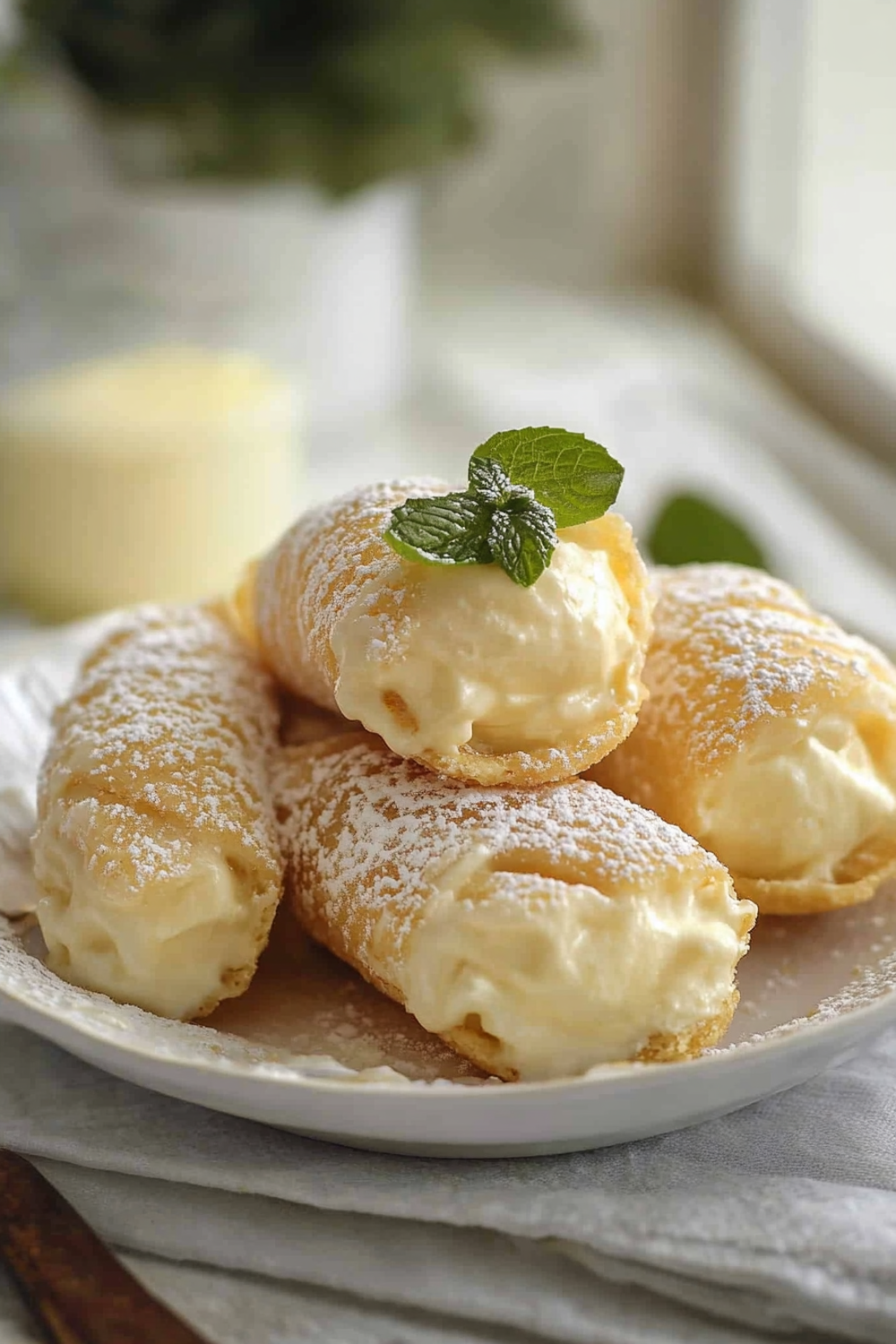
Finally, think about presentation when serving these delightful treats. A dusting of powdered sugar or a drizzle of chocolate sauce adds visual appeal and enhances flavor complexity. Pair them with fresh berries or whipped cream for an elegant touch that guests will love.
Suggestions for Creamy Delight: Italian Cannoncini Treats
When crafting Creamy Delight: Italian Cannoncini Treats, consider several suggestions to elevate your dessert game significantly. One suggestion is experimenting with different flavors for your filling. While traditional recipes use vanilla or hazelnut cream, you could try incorporating citrus zest or espresso for a unique twist that surprises and delights your taste buds.
Additionally, think about adapting textures within your filling by adding crushed nuts or chocolate chips for extra crunchiness alongside creamy elements. This variety will create layered sensations that enhance each bite’s overall experience.
Incorporating seasonal ingredients into your cannoncini also adds charm and freshness to this classic treat. For example, during summer months, consider utilizing ripe strawberries blended into a creamy filling or infusing peach puree into mascarpone cheese for rich flavor profiles that celebrate local produce.
If you’re looking for ways to save time without sacrificing quality, prepare components ahead of time! You can make dough several days prior and store it wrapped tightly in plastic wrap inside the fridge or freezer until ready to use; similarly, fillings can often be prepared ahead of time as well.
Lastly, consider hosting a cannoncini-making party! Invite friends over for an interactive cooking session where everyone crafts their variations on this beloved treat together—sharing ideas while enjoying delicious food creates memories alongside culinary delights.

FAQs
What are Cannoncini?
Cannoncini are delightful Italian pastries made from thin sheets of puff pastry rolled around metal tubes and baked until golden brown. The name translates roughly as “little tubes,” reflecting their unique shape similar to cannoli but with distinctively lighter pastry textures inside filled with delicious creams or custards afterward.
How do I store leftover Cannoncini?
To maintain freshness after making creamy delight: Italian cannoncini treats at home, store any leftovers in an airtight container at room temperature if they contain cream fillings lasting up to two days without losing quality; refrigeration may alter texture negatively over time unless consumed promptly within 24 hours when kept chilled safely!
Can I freeze Cannoncini?
Yes! Freezing cannoncini is possible! Prepare them up until baking—before rolling out dough onto forms—and then place them on a parchment-lined baking sheet until frozen solid before transferring into sealed bags/containers suitable for freezing; bake straight from frozen state later if desired!
Are there gluten-free options available?
Gluten-free alternatives exist! Use gluten-free all-purpose flour blends specially formulated designed substituting wheat-based flours traditionally used creating pastries similar textures bringing joy those adhering strict dietary restrictions without compromising flavor preferences while still enjoying these scrumptious desserts!
How long does it take to prepare Cannoncini from scratch?
Preparation time varies based upon individual skill levels but typically takes approximately 1-2 hours total including resting periods required between rolling out-dough chilling fillings prior assembly; patience yields delectable results worth every second spent crafting these exquisite treats!
Can I customize my Cannoncini fillings?
Absolutely! Feel free exploring creative variations when crafting fillings! Popular choices include rich chocolate mousse flavored custards whipped cream infused fruit purées even savory options like cheese spreads allow experimentation personalize experiences catering tastes everyone enjoying delectable delicacies!
Print
Italian Cannoncini Treats
- Total Time: 35 minutes
- Yield: 12 Cannoncini 1x
Description
Golden, flaky pastry horns filled with creamy custard, Italian Cannoncini are an elegant and irresistible treat perfect for any special occasion.
Ingredients
For the Pastry:
- 1 sheet puff pastry, thawed ????
- 2 tbsp granulated sugar
For the Custard Filling:
- 2 cups whole milk ????
- 1/2 cup granulated sugar
- 3 tbsp cornstarch ????
- 3 large egg yolks ????
- 1 tsp vanilla extract ????
For Assembly:
- Powdered sugar, for dusting
Instructions
Instructions:
- Prepare the Pastry Shells: Preheat oven to 400°F (200°C). Cut the puff pastry into 1-inch strips. Wrap each strip around a metal cone mold, overlapping slightly. Sprinkle with sugar and bake for 12-15 minutes until golden. Let cool before removing molds.
- Make the Custard: Heat milk in a saucepan until warm. In a bowl, whisk sugar, cornstarch, and egg yolks. Gradually add warm milk, whisking continuously. Return mixture to the saucepan and cook over medium heat, stirring until thickened. Stir in vanilla and cool completely.
- Assemble the Cannoncini: Fill a piping bag with custard and pipe into the cooled pastry shells.
- Serve: Dust with powdered sugar and serve immediately.
Notes
- For variety, dip the ends of the pastry in melted chocolate or crushed nuts.
- Store unfilled pastries in an airtight container for up to 2 days. Fill them just before serving for optimal crispness.
- Prep Time: 20 minutes
- Cook Time: 15 minutes
Nutrition
- Calories: 180 kcal
- Sugar: 8g
- Fat: 10g
- Carbohydrates: 20g
- Protein: 3g
Making Creamy Delight: Italian Cannoncini Treats allows you not only to indulge yourself but also impress friends and family with your culinary skills. By avoiding common mistakes such as improperly preparing dough or neglecting proper cooling methods after baking, you’ll ensure consistently excellent results every time you whip up these pastries.
Implementing helpful tips like investing in quality ingredients or mastering shaping techniques will significantly enhance both flavor and presentation aspects of this dish while offering opportunities for creativity through customized fillings tailored perfectly around personal preferences enjoyed by all who partake!
With thoughtful suggestions such as adapting seasonal flavors or hosting fun gatherings focused on creating these delightful treats together add excitement along with enjoyment making this endeavor truly memorable! So roll up those sleeves get started crafting mouthwatering cannoncini today—your taste buds await delightful experiences sure reward efforts put forth throughout process creating unforgettable moments shared among loved ones gathered around table indulging deliciousness crafted from heart!


Ingredients
Method
- Begin by preheating your oven to 200°C (400°F). If you're using store-bought puff pastry, roll it out on a lightly floured surface until it's about 3mm thick for optimal crispiness when baked. Cut strips approximately 2cm wide; they should be long enough to wrap around your cannoncini molds or cones completely.
- Once you've cut out all strips, it's time to wrap them around molds. Start at one end of each mold and tightly spiral-wrap the puff pastry around until you reach the top; overlap slightly as you go along for even baking.
- Next, place these wrapped molds on a baking sheet lined with parchment paper after brushing them lightly with egg wash using a brush or spoon—this gives them their lovely golden hue when baked.
- Bake in preheated oven for about 15–20 minutes or until golden brown; keep an eye on them as baking times may vary based on oven efficiency! Once done, remove from oven and let cool slightly before carefully removing molds while they’re still warm; otherwise, they might stick!
- Making the Cream Filling: While your puff pastry cools down completely after baking, focus on preparing the cream filling which forms the heart of our Creamy Delight: Italian Cannoncini Treats! In a mixing bowl, combine heavy cream and mascarpone cheese; using an electric mixer or whisking vigorously by hand works great here!
- Whip these two together until soft peaks form—this usually takes around 3–5 minutes depending on speed settings used on mixers! Gradually add sugar while continuing to mix until everything is well incorporated into fluffy goodness resembling whipped frosting!