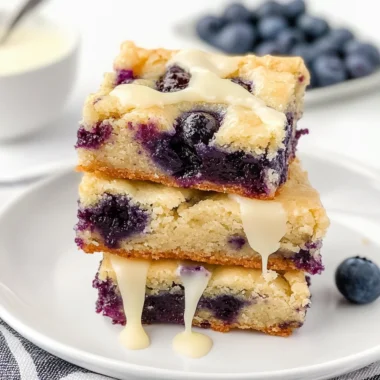
As we make blueberry jam, the sweet aroma of cooking berries fills the kitchen. The vibrant color and smooth texture create a cozy feeling that’s hard to resist.
You can definitely tackle this recipe with confidence. It’s forgiving, so don’t worry if your jam isn’t perfect; it will still taste great.
Why This Recipe Works
This blueberry jam recipe balances the natural sweetness of fresh blueberries with the brightness of lemon juice and zest, enhancing the fruit’s flavor. The gentle cooking process allows the berries to break down while retaining some texture, creating a lovely consistency. Using pectin is optional, so you can adjust thickness based on your preference. This makes it easy for anyone to achieve their perfect jam texture. With this understanding, let’s explore some creative ways to use your homemade blueberry jam.
[love_box title=”The One Thing That Makes It Work”] The key to a successful blueberry jam lies in the balance of fresh blueberries and freshly squeezed lemon juice. This combination not only enhances the natural sweetness of the berries but also adds a bright acidity that elevates the overall flavor profile. Ensuring that you use quality ingredients will make all the difference in your jam’s taste and texture. [/love_box]As you prepare to jar this delightful blueberry jam, remember that proper storage is essential for maintaining its freshness.
Essential Ingredients
To create a delightful batch of blueberry jam, you’ll need a few key ingredients that work harmoniously together.
- 4 cups fresh blueberries: Choose ripe, plump berries for the best flavor; wash and remove stems before use.
- 1 cup granulated sugar: Adjust the amount based on your sweetness preference; start with less if you enjoy tartness.
- 2 tablespoons lemon juice: Use freshly squeezed juice for optimal brightness and to enhance the blueberry flavor.
- 1 tablespoon lemon zest: Finely grate the zest for an extra layer of citrus aroma that complements the blueberries.
- 1 packet pectin (optional): This can be added for a thicker consistency; follow package instructions carefully during cooking.
Now that you have the essential tips for making blueberry jam, let’s explore some delightful serving suggestions to enhance your experience.
Step-by-Step Method
Start by placing the washed blueberries into a medium saucepan along with the freshly squeezed lemon juice. Gently mash the blueberries using a wooden spoon, releasing their juices. The mixture will start to smell fruity and fresh, creating a nice base for your blueberry jam.
Next, add the granulated sugar and finely grated lemon zest to the blueberry mixture. Stir everything together until well combined. As you mix, you’ll notice how the sugar begins to dissolve and blend with the juicy blueberries, enhancing their natural sweetness.
Then, set your saucepan over medium heat and bring the mixture to a boil. Be sure to stir it frequently to prevent any sticking on the bottom. You’ll see bubbles forming, and the aroma of sweet blueberries will fill your kitchen as it cooks.
Once it reaches a boil, lower the heat to medium-low and let it simmer for about 20-25 minutes. Keep an eye on it as it thickens; you want a texture that holds its shape when tested on a cold plate. It should look glossy and syrupy.
If you prefer a thicker consistency for your blueberry jam, now is the time to add pectin based on package instructions during the last five minutes of cooking. Stir continuously as it incorporates into the mixture, ensuring even thickness throughout.
Finally, after reaching your desired consistency, remove the saucepan from heat and let it cool for about five minutes. Carefully ladle the hot jam into sterilized jars, leaving about 1/4 inch of space at the top for sealing. This process will keep all those delicious flavors contained for you to enjoy later. Now that your jam is ready, let’s explore some delightful ways to use your homemade blueberry jam.
Troubleshooting (If Something Goes Wrong)
If your blueberry jam isn’t thickening, try cooking it a bit longer or adding a tablespoon of pectin to help achieve the desired consistency. If the jam is too sweet for your taste, consider adding a splash more lemon juice to balance the flavors. Remember, mistakes happen, and with these simple adjustments, you can easily salvage your blueberry jam. Transitioning now to how to properly store your creation ensures its longevity and freshness.
Variations You’ll Actually Want to Try

Feel free to mix in a handful of raspberries or strawberries for a berry medley jam. For a hint of spice, add a pinch of cinnamon or nutmeg while cooking. If you’re a fan of ginger, incorporating some freshly grated ginger can add a nice zing. Experiment with these ideas to find your favorite twist! With your blueberry jam ready, let’s explore some delicious ways to enjoy it.
[love_box title=”Pick Your Flavor Path”] For a zesty twist, add a pinch of cayenne pepper to the blueberry jam for a surprising kick. If you crave freshness, stir in some finely chopped mint leaves after cooking to elevate the flavor profile. For a cozy touch, mix in a hint of cinnamon during the simmering stage for added warmth. [/love_box]As you explore these flavor variations, consider how each unique twist can complement your favorite breakfast dishes.
FAQ
How long does homemade blueberry jam last in the refrigerator?
Homemade blueberry jam lasts up to three weeks in the refrigerator when stored properly.
Can I use frozen blueberries for blueberry jam?
Yes, frozen blueberries can be used; just thaw and drain excess liquid before cooking.
What should I do if my blueberry jam is too runny?
If too runny, simmer longer or add pectin according to package instructions during the final minutes.
This information will help you troubleshoot any issues, ensuring your blueberry jam turns out just right.

Blueberry Jam
Ingredients
Method
- In a medium saucepan, combine the washed blueberries and lemon juice. Use a wooden spoon to gently mash the blueberries to release their juices. This helps to create a smoother jam.
- If you prefer a chunkier texture, you can skip mashing or use a potato masher for a few seconds.
- Add the granulated sugar and lemon zest to the saucepan with the blueberries. Stir well to combine all the ingredients.
- Place the saucepan over medium heat and bring the mixture to a boil. Stir frequently to prevent sticking and ensure even cooking.
- Once boiling, reduce the heat to medium-low and let it simmer for about 20-25 minutes. The mixture should thicken as it cooks. To test the consistency, place a small spoonful on a cold plate and let it sit for a minute. Run your finger through it; if it holds its shape, it's ready.
- If you prefer a thicker jam, add the pectin according to the package instructions, usually during the last 5 minutes of cooking. Stir continuously to incorporate.
- Once the jam has reached the desired consistency, remove the saucepan from heat. Let it cool for about 5 minutes.
- Using a ladle, carefully pour the hot jam into sterilized jars, leaving about 1/4 inch of headspace at the top. Seal the jars with lids.
- If canning, process the jars in a boiling water bath for 10 minutes to ensure they are sealed properly.
- Allow the jars to cool completely at room temperature. Once cooled, store the jam in the refrigerator for up to 3 weeks or in a cool, dark place for up to a year if canned.