
Imagine the rich, velvety texture of pasta alfredo enveloping your taste buds, as the aroma of melted butter and freshly grated Parmesan wafts through the air. Each forkful brings together the delightful chew of perfectly cooked fettuccine with a creamy sauce that dances with subtle hints of garlic and pepper, creating a symphony of flavors that feels both indulgent and comforting.
As you step into the kitchen to prepare this classic dish, you’ll find that it’s not just about cooking; it’s an experience filled with warmth and joy. In just 25 minutes, you can create a meal that feels like a special occasion, making it easy to gather loved ones around the table for a deliciously satisfying dinner that everyone will rave about.
[love_box title=”Why You’ll Love This Recipe”]Pasta Alfredo is a delightful dish that combines simplicity with rich, creamy flavors, making it a favorite for both novice and experienced cooks. The ease of preparation allows you to whip up a delicious meal in just 25 minutes, perfect for busy weeknights or last-minute gatherings. Its visually appealing presentation, garnished with fresh parsley, ensures it looks as good as it tastes. Plus, this versatile recipe can easily be customized to suit your taste preferences or dietary needs.[/love_box] Now that you know why Pasta Alfredo is such a beloved dish, let’s dive into the detailed recipe to get you started!The first time I made pasta alfredo for my family, their delighted smiles and empty plates said it all. It felt like a warm hug, reminding me that simple ingredients can create joyful moments around the dinner table. Now, let’s dive into the recipe!
Essential Ingredients
To create a delicious pasta alfredo, you’ll need a few key ingredients that work together to achieve that creamy, rich flavor.
12 oz fettuccine pasta: You can use either fresh or dried fettuccine, but fresh pasta will cook quicker and offer a tender texture.
1 tbsp salt: This is crucial for boiling water, enhancing the overall flavor of the pasta.
1/2 cup unsalted butter: Cut into pieces for easy melting; this forms the base of your luxurious sauce.
1 cup heavy cream: Make sure it’s at room temperature for better emulsification and a smoother sauce.
1 cup freshly grated Parmesan cheese: Use a microplane for fine grating; freshly grated cheese melts better and provides superior flavor.
1/2 tsp garlic powder: This is optional but adds an extra layer of savory depth to the sauce.
1/4 tsp black pepper: Freshly ground pepper enhances the dish with a subtle kick of heat.
1/4 tsp salt: Adjust to taste; this balances the flavors in the sauce perfectly.
2 tbsp fresh parsley: Chopped parsley is used as a garnish, adding color and freshness to your finished dish.
The full ingredients list, including measurements, is provided in the recipe card directly below.
Let’s Make It Together
Step 1: Cook the Pasta:First, bring a large pot of salted water to a boil. Use about 1 tablespoon of salt for every 4 quarts of water, which not only enhances the flavor of the pasta but also helps it cook evenly. Once boiling, add the fettuccine pasta and stir occasionally to prevent sticking. Keep an eye on it as it cooks for about 8-10 minutes until it’s al dente—firm to the bite yet tender. Remember to reserve 1 cup of pasta water before draining in a colander; this will be your secret weapon for adjusting sauce consistency later!
Step 2: Prepare the Alfredo Sauce:Now, let’s create that creamy Alfredo sauce! In a large skillet over medium heat, melt the unsalted butter—take a moment to enjoy that rich aroma as it fills your kitchen. Once melted, pour in the heavy cream and stir continuously for about 2-3 minutes until heated through but not boiling. This gentle heating ensures that the cream doesn’t separate. Gradually whisk in the freshly grated Parmesan cheese until you achieve a silky-smooth texture. Add garlic powder, black pepper, and salt to taste—this is where you can adjust flavors to your liking.
Step 3: Combine Pasta and Sauce:With your fettuccine ready and sauce perfected, it’s time to unite them! Add the drained fettuccine directly into the skillet with your Alfredo sauce. Toss gently to coat every strand evenly—it should look luxurious and creamy. If you find that your sauce is too thick (which can happen!), don’t hesitate to add some reserved pasta water a little at a time until you reach your desired consistency; this will help everything stick together beautifully.
Step 4: Serve Your Pasta Alfredo:Finally, plate your delicious Pasta Alfredo with care—look at how inviting it appears! Garnish generously with chopped fresh parsley for that vibrant pop of color and freshness. Serve immediately while hot and enjoy every creamy bite—you’ve earned this moment!
Now that we’ve made this delightful dish together, let’s explore some variations and tips for making Pasta Alfredo even more special!
[love_box title=”You Must Know”] Using room temperature heavy cream allows for better emulsification, ensuring a smoother Alfredo sauce. I learned this tip after struggling with lumpy sauces in my early cooking days. Reserving pasta water is crucial for adjusting sauce consistency; it helps the sauce cling to the fettuccine perfectly. This technique transformed my pasta alfredo from good to restaurant-quality. For the best flavor, freshly grated Parmesan is a must. Pre-grated cheese often contains anti-caking agents that affect texture and taste, and I always notice the difference now. [/love_box]These tips will elevate your pasta alfredo experience, making each bite deliciously creamy and flavorful!
Add Your Touch
Pasta Alfredo is wonderfully versatile, inviting you to customize it to your taste. Consider adding cooked chicken or shrimp for protein, or throw in sautéed mushrooms or spinach for an earthy twist. For an extra zing, a squeeze of lemon juice can brighten the flavors. If you’re feeling adventurous, swap half the Parmesan cheese with Pecorino Romano for a sharper taste. Embrace your creativity and feel confident in experimenting with these ingredient swaps to make this classic dish uniquely yours!
Now that you’ve got ideas for customization, let’s dive into perfecting the cooking process.
Storing & Serving
Pasta Alfredo is best enjoyed fresh, but you can store leftovers in an airtight container in the refrigerator for up to 3 days. To maintain flavor and freshness, serve the pasta immediately after preparation, garnishing with freshly chopped parsley just before plating. This highlights the dish’s rich flavors and makes for an appealing presentation. Now that you know how to serve it perfectly, let’s explore some variations of this classic dish!
[love_box title=”Chef’s Helpful Tips”] 1. To achieve the best flavor for your pasta alfredo, ensure that your heavy cream is at room temperature before adding it to the melted butter. This helps in creating a smooth and creamy sauce without any separation. When adding the Parmesan cheese to the Alfredo sauce, do so gradually while whisking continuously. This technique ensures that the cheese melts evenly, preventing clumps and resulting in a luxuriously creamy texture. Don’t forget to reserve that cup of pasta water! If your sauce becomes too thick after combining with the fettuccine, adding small amounts of this starchy water will help you reach the perfect consistency while enhancing flavor. [/love_box]With these tips in mind, you’re set to create an exceptional pasta alfredo that will impress everyone at your table!
As I served my first batch of pasta alfredo to friends, their delighted smiles and satisfied nods reminded me that food truly brings us together in the most comforting ways.
How to Know It’s Done Perfectly
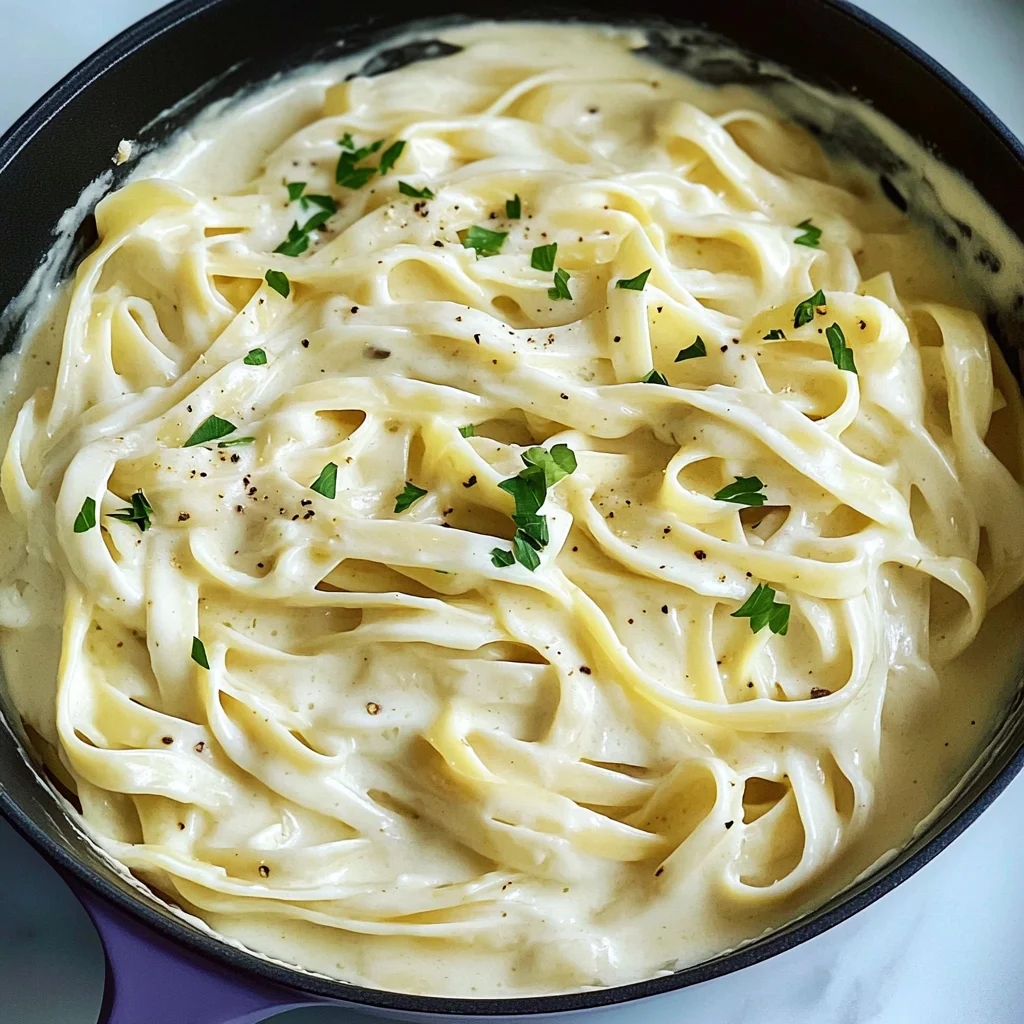
Your pasta alfredo is perfectly done when the fettuccine is well-coated in a creamy, velvety sauce that glistens. The pasta should be al dente, with a slight firmness, while the aroma of melted Parmesan and butter wafts enticingly. Remember, small variations in texture or flavor are normal and perfectly acceptable!
Now that your dish is ready, let’s explore some delicious serving suggestions to enhance your meal.
FAQ
What type of pasta is best for Pasta Alfredo?
Fettuccine pasta is the traditional choice for Pasta Alfredo, as its broad shape allows for better sauce adherence. You can use either fresh or dried fettuccine, depending on your preference.
Can I make Pasta Alfredo without heavy cream?
While heavy cream is a key ingredient that contributes to the rich and creamy texture of Pasta Alfredo, you could substitute it with a mixture of milk and a bit of flour for a lighter version. However, this may alter the final taste and consistency.
How do I store leftover Pasta Alfredo?
To store leftover Pasta Alfredo, place it in an airtight container and refrigerate it for up to 3 days. When reheating, add a splash of reserved pasta water to help loosen the sauce and maintain creaminess.
What can I add to my Pasta Alfredo for extra flavor?
While the classic Pasta Alfredo is delicious on its own, you can enhance its flavor by incorporating ingredients like grilled chicken, sautéed mushrooms, or steamed broccoli. Just remember to keep the original recipe’s balance in mind.
How can I achieve the perfect consistency in my Pasta Alfredo sauce?
To achieve the perfect consistency in your Pasta Alfredo sauce, start by gradually whisking in the freshly grated Parmesan cheese and adding reserved pasta water as needed until you reach your desired thickness. This will ensure the sauce coats the pasta beautifully without becoming too thick or watery.
With these FAQs answered, you’re well-equipped to create a delightful Pasta Alfredo that will impress your family and friends!
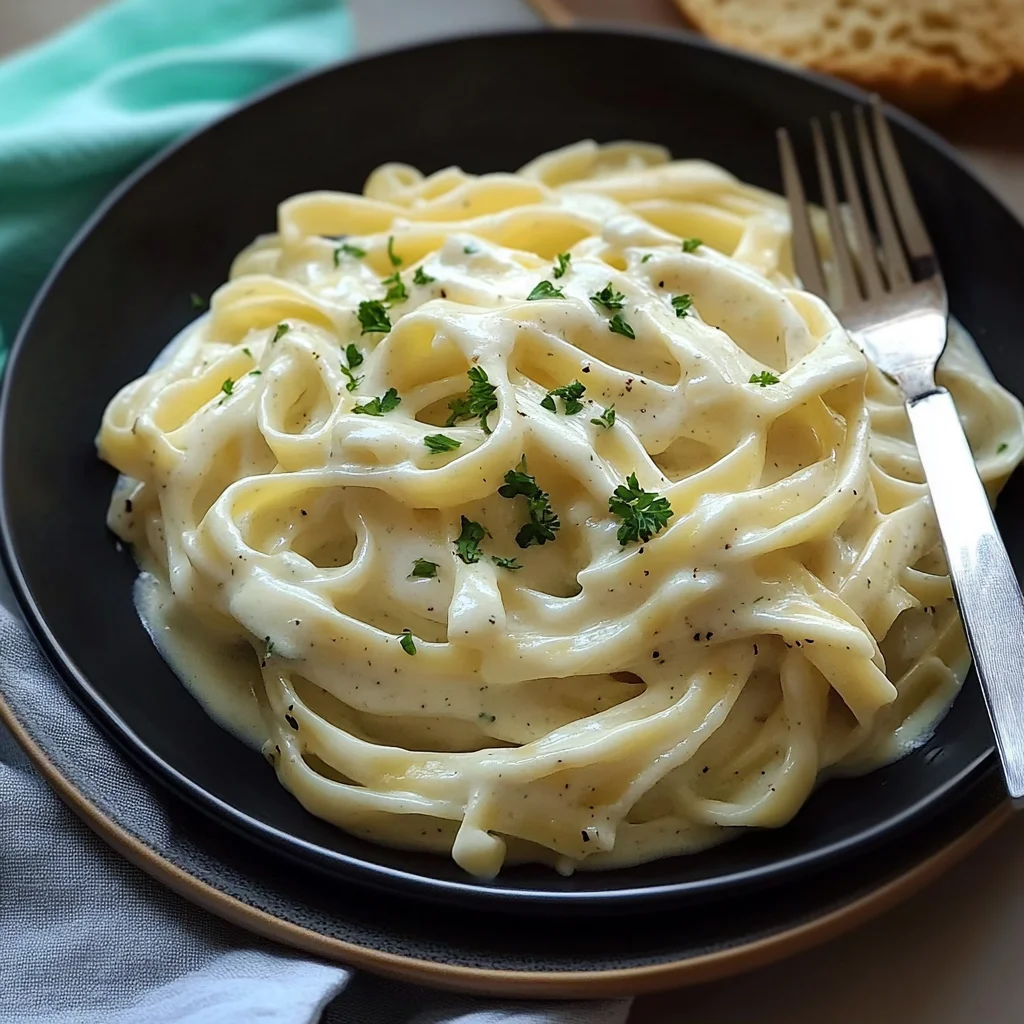
Pasta Alfredo
Ingredients
Method
- Bring a large pot of salted water to a boil. Use about 1 tablespoon of salt for every 4 quarts of water. This enhances the pasta's flavor.
- Add the fettuccine pasta to the boiling water. Stir occasionally to prevent sticking.
- Cook according to package instructions until al dente, usually about 8-10 minutes. Al dente means the pasta is cooked but still firm to the bite.
- Reserve 1 cup of pasta water, then drain the pasta in a colander.
- In a large skillet over medium heat, melt the butter. This will create a rich base for the sauce.
- Once the butter is melted, add the heavy cream. Stir continuously to combine and heat through, about 2-3 minutes. Do not let it boil, as this can cause the cream to separate.
- Gradually whisk in the grated Parmesan cheese until melted and smooth. This will thicken the sauce and give it a creamy texture.
- Add garlic powder, black pepper, and salt to taste. Stir well to incorporate all flavors.
- Add the drained fettuccine to the skillet with the Alfredo sauce. Toss gently to coat the pasta evenly.
- If the sauce is too thick, add reserved pasta water a little at a time until desired consistency is reached. This helps the sauce adhere to the pasta.
- Taste and adjust seasoning if necessary.
- Plate the pasta and garnish with chopped fresh parsley for a pop of color and freshness.
- Serve immediately while hot, and enjoy your delicious Pasta Alfredo!