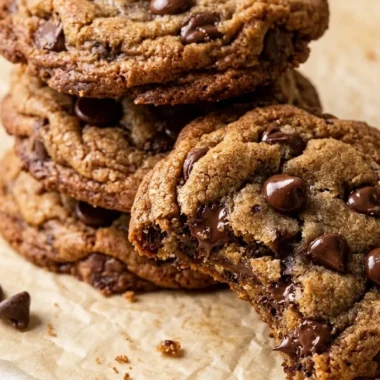
This Chewy Chocolate Chip Cookies Recipe makes buttery, brown sugar-rich cookies with lightly crisp, golden edges, soft and chewy centers, and plenty of melted chocolate in every bite. The combination of brown sugar, melted butter, and an extra egg yolk helps create a tender, slightly dense texture rather than a light, cakey cookie.

The dough is easy to prepare without a stand mixer, making this a practical recipe for everyday baking. A short refrigeration period helps control spreading and gives the flour time to hydrate. The cookies finish baking when their edges are set but their centers still look slightly soft, allowing them to firm up as they cool.
Why This Recipe Works
- Brown sugar supports a chewy texture. Its molasses content contributes moisture, a deeper caramel-like flavor, and a softer bite.
- Melted butter creates a denser cookie. Unlike creamed butter, melted butter does not incorporate much air, helping the cookies develop a more compact, chewy center.
- An extra egg yolk adds richness. The additional yolk contributes fat and helps produce a tender cookie without adding as much liquid as another whole egg.
- Chilling helps manage spreading. Refrigerating the dough firms the butter and gives the flour time to absorb moisture, encouraging thicker cookies.
- Gentle baking preserves the soft center. Removing the cookies when their centers still appear slightly underdone helps prevent a dry, crunchy texture after cooling.
Equipment Needed
- Large mixing bowl for combining the dough.
- Medium mixing bowl for the dry ingredients.
- Whisk and sturdy rubber spatula.
- Kitchen scale or US measuring cups and spoons.
- Cookie scoop or measuring spoon for consistent portions.
- Two large rimless or low-rim baking sheets, approximately 13 × 18 inches (33 × 46 cm).
- Parchment paper to prevent sticking and encourage even release.
- Wire cooling rack.
Ingredients List

For the Cookie Dough
- 2 1/4 cups (270 g) all-purpose flour, Spoon into the measuring cup and level, or weigh directly
- 1 teaspoon (5 g) baking soda, Use fresh baking soda
- 1 teaspoon (6 g) fine salt, Use fine-grain salt for even distribution
- 3/4 cup (170 g) unsalted butter, Melted and cooled until just warm
- 1 cup packed (200 g) light brown sugar, Break up any firm lumps before mixing
- 1/2 cup (100 g) granulated sugar, Use regular white granulated sugar
- 1 large egg (about 50 g without shell), At room temperature
- 1 large egg yolk (about 18 g), At room temperature
- 2 teaspoons (10 ml) pure vanilla extract, Measure before mixing
- 1 1/2 cups (255 g) semisweet chocolate chips, Keep a few chips from this measured quantity for the tops, if desired
Ingredient Notes and Substitutions
- All-Purpose Flour: All-purpose flour provides enough structure to hold the cookies together while allowing their centers to stay tender. Too much flour can produce thick, dry cookies that barely spread. A gluten-free all-purpose flour blend formulated as a direct baking replacement may work, especially one containing xanthan gum. However, spreading, chewiness, and moisture retention can vary. Avoid substituting almond flour or coconut flour directly, as their absorption and structure are significantly different.
- Light Brown Sugar: Light brown sugar is important for both flavor and texture. Its molasses contributes moisture and a subtle caramel note while helping the cookies stay chewy. Dark brown sugar can replace light brown sugar in the same quantity. The cookies may become slightly darker, taste more strongly of molasses, and feel a little softer.
- Unsalted Butter: Butter supplies richness, flavor, and the fat needed for the dough to spread during baking. Melting it before mixing encourages a denser cookie compared with the lighter texture produced by creaming softened butter. Salted butter can be used if necessary, but the salt content varies by brand. Adjusting the added salt may be necessary. Avoid substituting liquid oil directly because it can change spreading and dough structure.
- Egg and Extra Egg Yolk: The whole egg helps bind the ingredients, while the extra yolk provides additional fat and richness. Together, they support a chewy center without making the cookies overly cakey. There is no reliable direct substitute that guarantees the same structure and texture. Egg-free alternatives may require a separately formulated recipe.
- Semisweet Chocolate Chips: Semisweet chocolate balances the sweetness of the dough with a more pronounced cocoa flavor. Chocolate chips also tend to retain their shape during baking, creating distinct pockets of chocolate. Chopped semisweet chocolate can replace the chips by weight. It may melt into larger, irregular pools and create a slightly different appearance. Milk chocolate is another option, although it produces a sweeter cookie.
Step-by-Step Instructions
Step 1: Combine the dry ingredients
In a medium mixing bowl, whisk together the all-purpose flour, baking soda, and fine salt. Mix until the ingredients look evenly distributed, with no visible pockets of baking soda. Set the bowl aside.

Step 2: Mix the melted butter and sugars
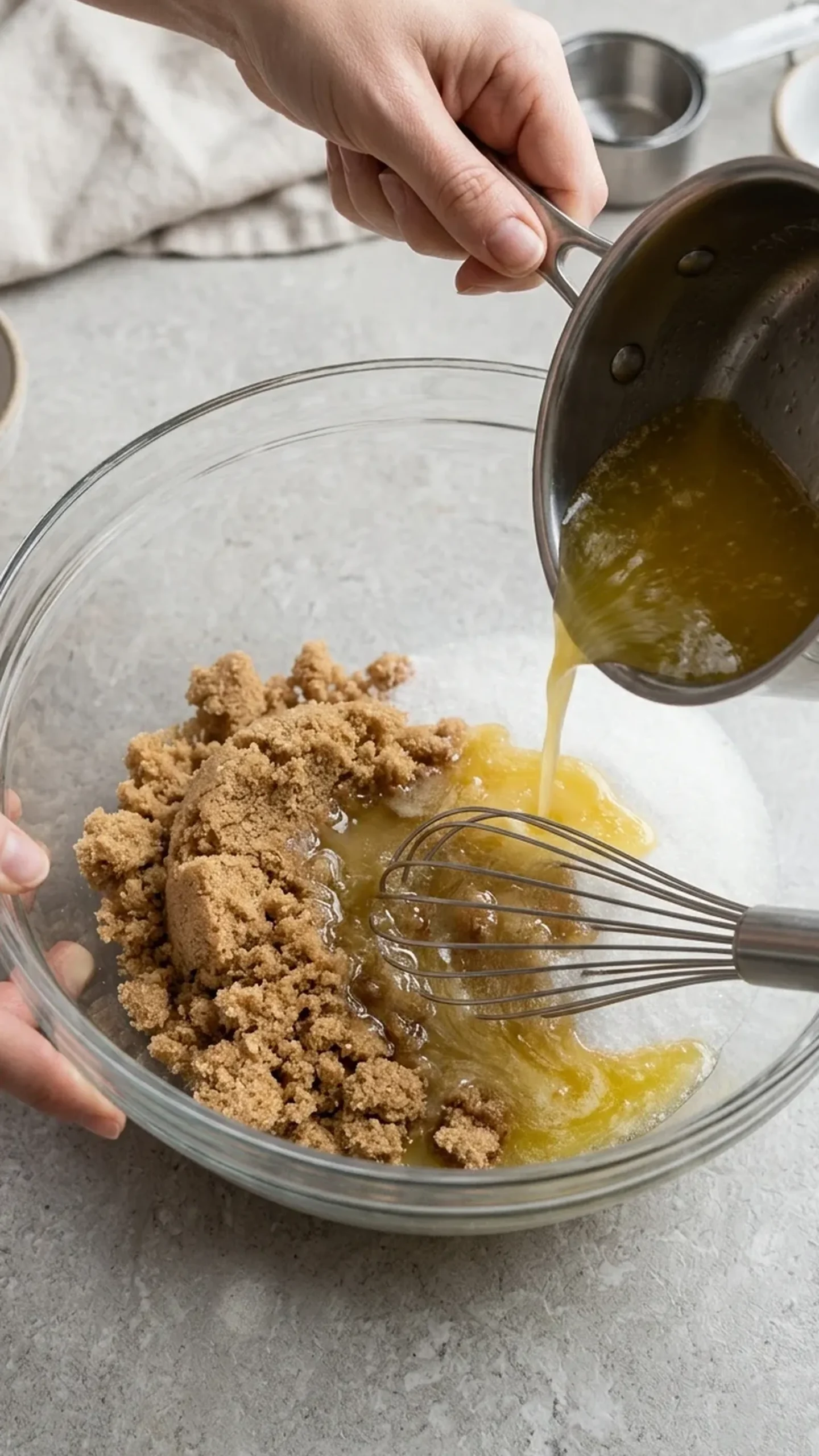
In a large mixing bowl, combine the melted, slightly cooled butter, light brown sugar, and granulated sugar. Whisk until the mixture becomes thick, glossy, and evenly blended. Small sugar granules may remain visible, but there should be no separate pool of melted butter.
Step 3: Add the egg, yolk, and vanilla
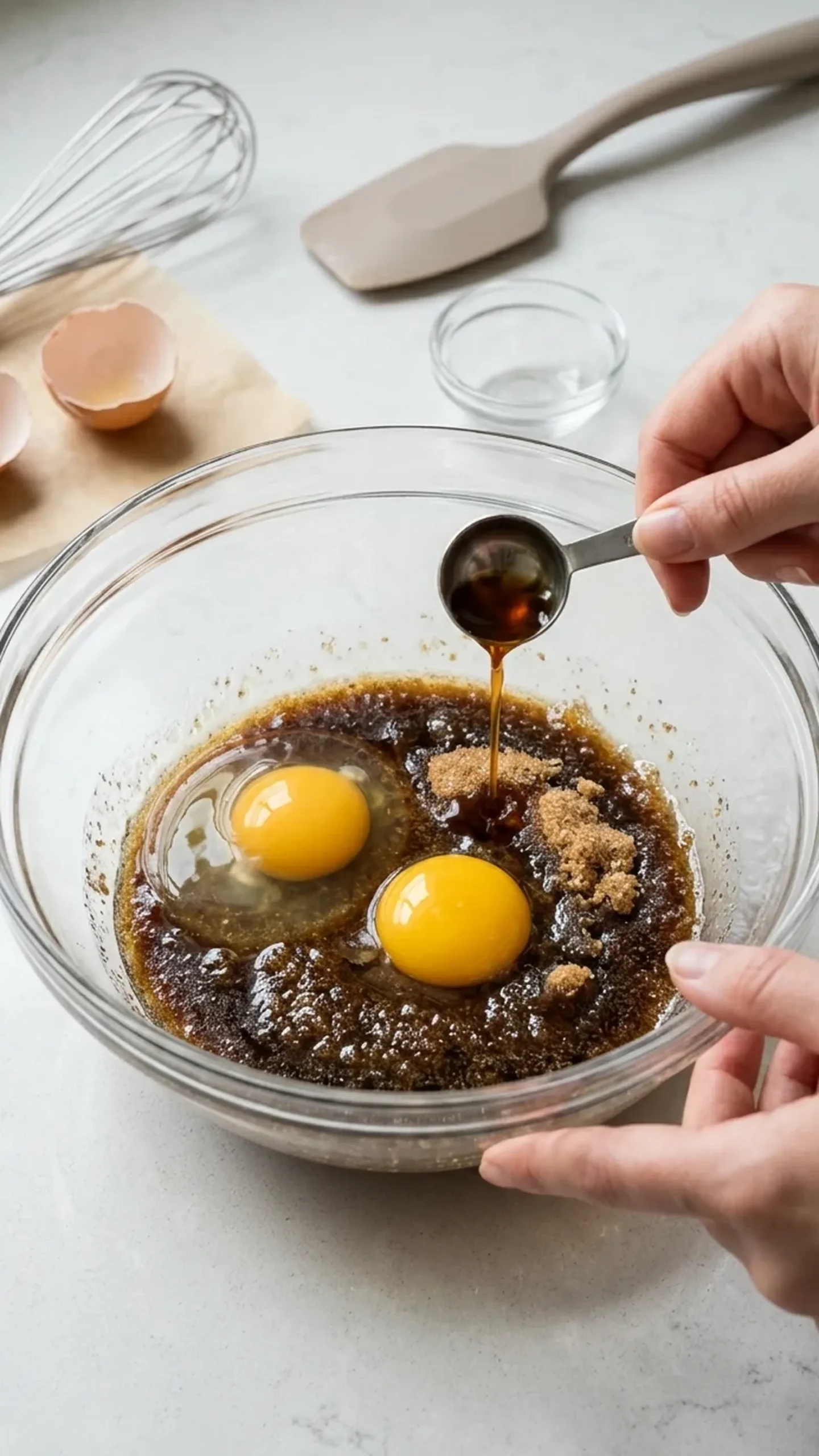
Add the whole egg, extra egg yolk, and vanilla extract to the butter mixture. Whisk until smooth and cohesive. The mixture should look slightly lighter, thick, and glossy, without streaks of egg.
Step 4: Incorporate the dry ingredients
Add the flour mixture to the wet ingredients. Fold gently with a rubber spatula until no dry flour remains. The dough should be thick, soft, and slightly sticky. Stop mixing as soon as it comes together to avoid developing excess gluten.
Step 5: Fold in the chocolate chips
Add the semisweet chocolate chips and fold until they are distributed throughout the dough. If desired, reserve a few chips from the measured quantity to press onto the dough portions before baking.
Step 6: Chill the dough
Cover the bowl and refrigerate for 30 minutes. The dough should feel firmer and less sticky but remain scoopable. If it becomes too firm to portion comfortably, allow it to soften briefly at room temperature.
Step 7: Preheat the oven and portion the dough
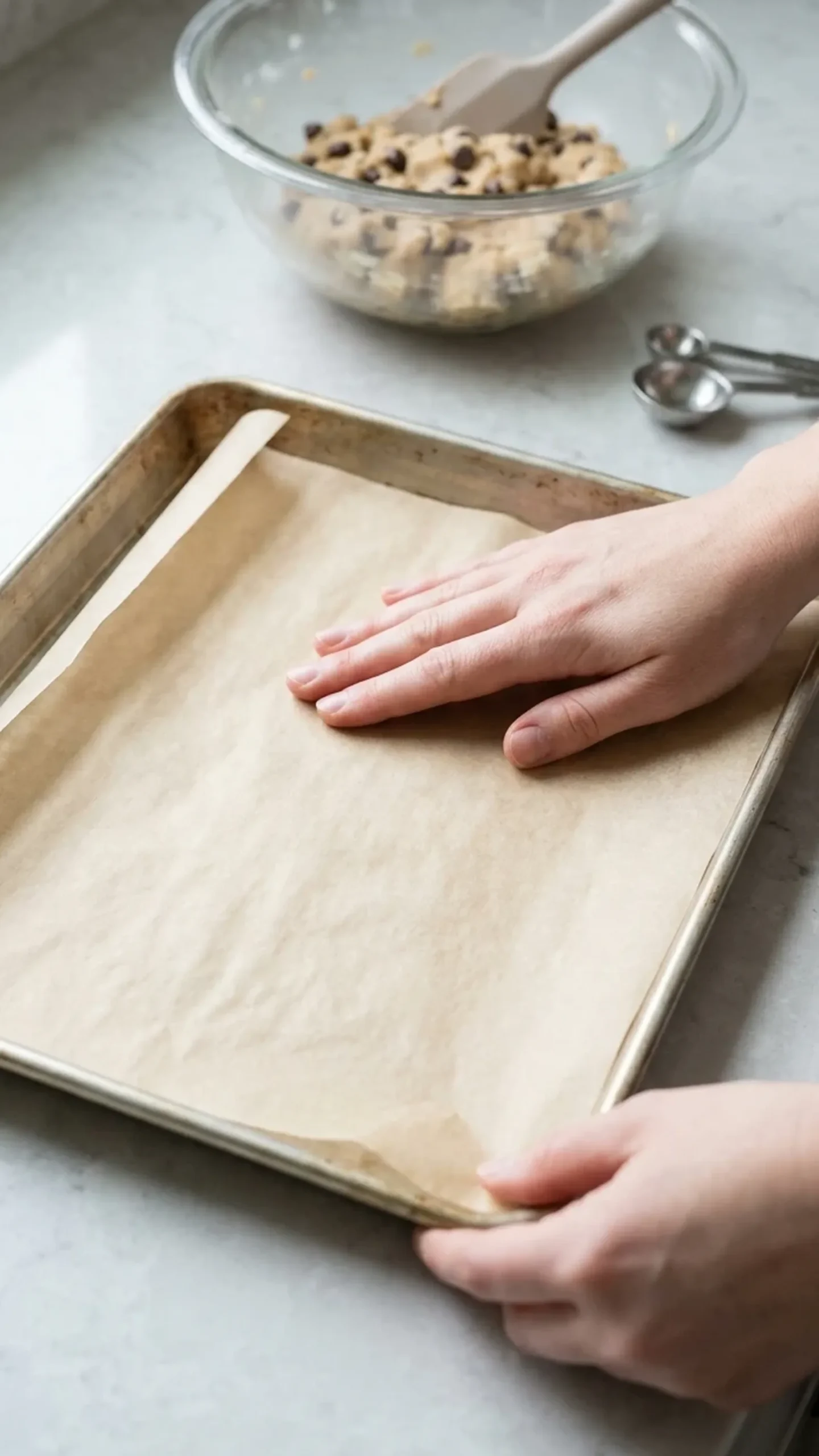
Preheat the oven to 350°F (175°C). Line two 13 × 18-inch (33 × 46-cm) baking sheets with parchment paper.
Divide the dough into 24 equal portions, approximately 43 g each. Shape into rounded mounds and arrange 12 portions on each prepared sheet, leaving about 2 inches (5 cm) between them. Press any reserved chocolate chips onto the tops.
Step 8: Bake until the edges are golden
Bake one sheet at a time on the center oven rack for approximately 12 minutes per batch, or 24 minutes total for both batches.
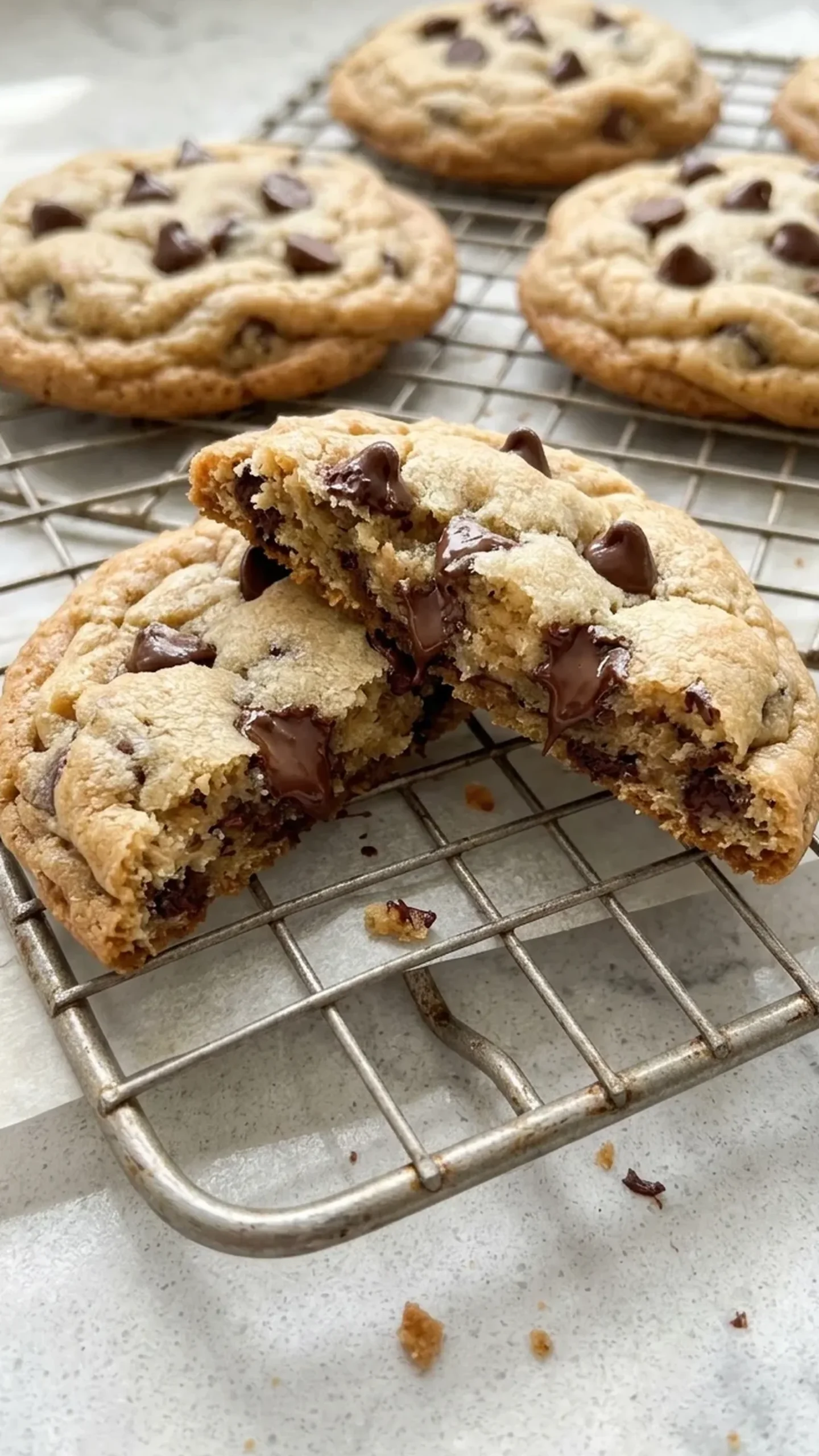
The edges should be lightly golden and set, while the centers remain pale, slightly puffed, and soft-looking. They should not appear wet or liquid. If the centers still look glossy and raw, continue baking briefly, checking frequently.
Avoid waiting for the entire surface to turn golden brown, as the cookies will continue firming up after removal from the oven.

Step 9: Cool and serve
Let the cookies rest on their baking sheets for 5 minutes before carefully transferring them to a wire rack. Allow another 5 minutes of cooling before serving.
The centers should settle slightly as they cool, leaving lightly crisp edges and tender, chewy interiors.
Storage, Freezing, and Make-Ahead Instructions
- Room-Temperature Storage: Allow the cookies to cool completely before storing them in an airtight container. Keep them at room temperature for up to 4 days for good texture and flavor. Separate layers with parchment paper if the chocolate is still slightly soft. Avoid sealing warm cookies, since trapped condensation can make their surfaces damp.
- Refrigeration: Baked cookies generally do not need refrigeration. The refrigerator can make their texture firmer and accelerate staling. For longer storage, freezing is usually a better option.
- Freezing Baked Cookies: Place fully cooled cookies in a single layer until firm, then transfer them to a freezer-safe container or resealable freezer bag. Freeze for up to 3 months for best quality. Remove excess air from the packaging to help prevent freezer burn. Thaw the cookies at room temperature while loosely covered to limit condensation.
- Freezing Cookie Dough: Portion the dough before freezing. Arrange the mounds on a parchment-lined baking sheet and freeze until solid, then transfer them to a labeled freezer-safe bag or container. Freeze for up to 3 months. The dough can be baked from frozen, although the cookies may need a little extra baking time. Use the same visual doneness cues rather than relying only on the clock.
- Reheating: For a softer, warm cookie, heat briefly in a low oven or microwave until just warmed through. Avoid prolonged reheating, which can dry out the centers.
- Make-Ahead Preparation: The cookie dough can be prepared and refrigerated in an airtight container for up to 48 hours before baking. Longer refrigeration firms the dough and may slightly reduce spreading. If the chilled dough is difficult to scoop, let it soften just enough to portion without forcing the scoop.
FAQ
Why did my chocolate chip cookies turn out flat?
Flat cookies can result from butter that was too hot, insufficient flour, warm dough, or a hot baking sheet. Check the flour measurement, allow the butter to cool before mixing, and chill the dough as directed. Also make sure the baking soda is fresh.
How do I know when chewy chocolate chip cookies are done?
Look for lightly golden, set edges and centers that appear soft but no longer wet or liquid. The cookies may look slightly underdone when removed from the oven, but they will continue setting on the baking sheet. Waiting until the centers look completely firm can produce a drier texture.
Can I make this recipe ahead of time?
Yes. Prepare the dough and keep it covered in the refrigerator for up to 48 hours before baking. You can also freeze portioned dough for up to 3 months. This makes it convenient to bake a smaller batch whenever you want freshly baked cookies.
Can I use dark brown sugar instead of light brown sugar?
Yes. Dark brown sugar can replace light brown sugar in the same quantity. Its higher molasses content gives the cookies a deeper caramel flavor, darker color, and potentially slightly softer texture.
Why are my cookies cakey instead of chewy?
A cakey texture can result from too much flour, excess air incorporated during mixing, or an incorrect egg ratio. Measure the ingredients carefully and mix only until combined after adding the flour. Using melted butter and the specified extra egg yolk helps create a denser, chewier center.

Ingredients
Method
- In a medium mixing bowl, whisk together the all-purpose flour, baking soda, and fine salt. Mix until the ingredients look evenly distributed, with no visible pockets of baking soda. Set the bowl aside.
- In a large mixing bowl, combine the melted, slightly cooled butter, light brown sugar, and granulated sugar. Whisk until the mixture becomes thick, glossy, and evenly blended. Small sugar granules may remain visible, but there should be no separate pool of melted butter.
- Add the whole egg, extra egg yolk, and vanilla extract to the butter mixture. Whisk until smooth and cohesive. The mixture should look slightly lighter, thick, and glossy, without streaks of egg.
- Add the flour mixture to the wet ingredients: Fold gently with a rubber spatula until no dry flour remains. The dough should be thick, soft, and slightly sticky. Stop mixing as soon as it comes together to avoid developing excess gluten.
- Add the semisweet chocolate chips and fold until they are distributed throughout the dough. If desired, reserve a few chips from the measured quantity to press onto the dough portions before baking.
- Cover the bowl and refrigerate for 30 minutes. The dough should feel firmer and less sticky but remain scoopable. If it becomes too firm to portion comfortably, allow it to soften briefly at room temperature.
- Preheat the oven to 350°F (175°C). Line two 13 × 18-inch (33 × 46-cm) baking sheets with parchment paper. Divide the dough into 24 equal portions, approximately 43 g each. Shape into rounded mounds and arrange 12 portions on each prepared sheet, leaving about 2 inches (5 cm) between them. Press any reserved chocolate chips onto the tops.
- Bake one sheet at a time on the center oven rack for approximately 12 minutes per batch, or 24 minutes total for both batches. The edges should be lightly golden and set, while the centers remain pale, slightly puffed, and soft-looking. They should not appear wet or liquid. If the centers still look glossy and raw, continue baking briefly, checking frequently. Avoid waiting for the entire surface to turn golden brown, as the cookies will continue firming up after removal from the oven.
- Let the cookies rest on their baking sheets for 5 minutes before carefully transferring them to a wire rack. Allow another 5 minutes of cooling before serving. The centers should settle slightly as they cool, leaving lightly crisp edges and tender, chewy interiors.