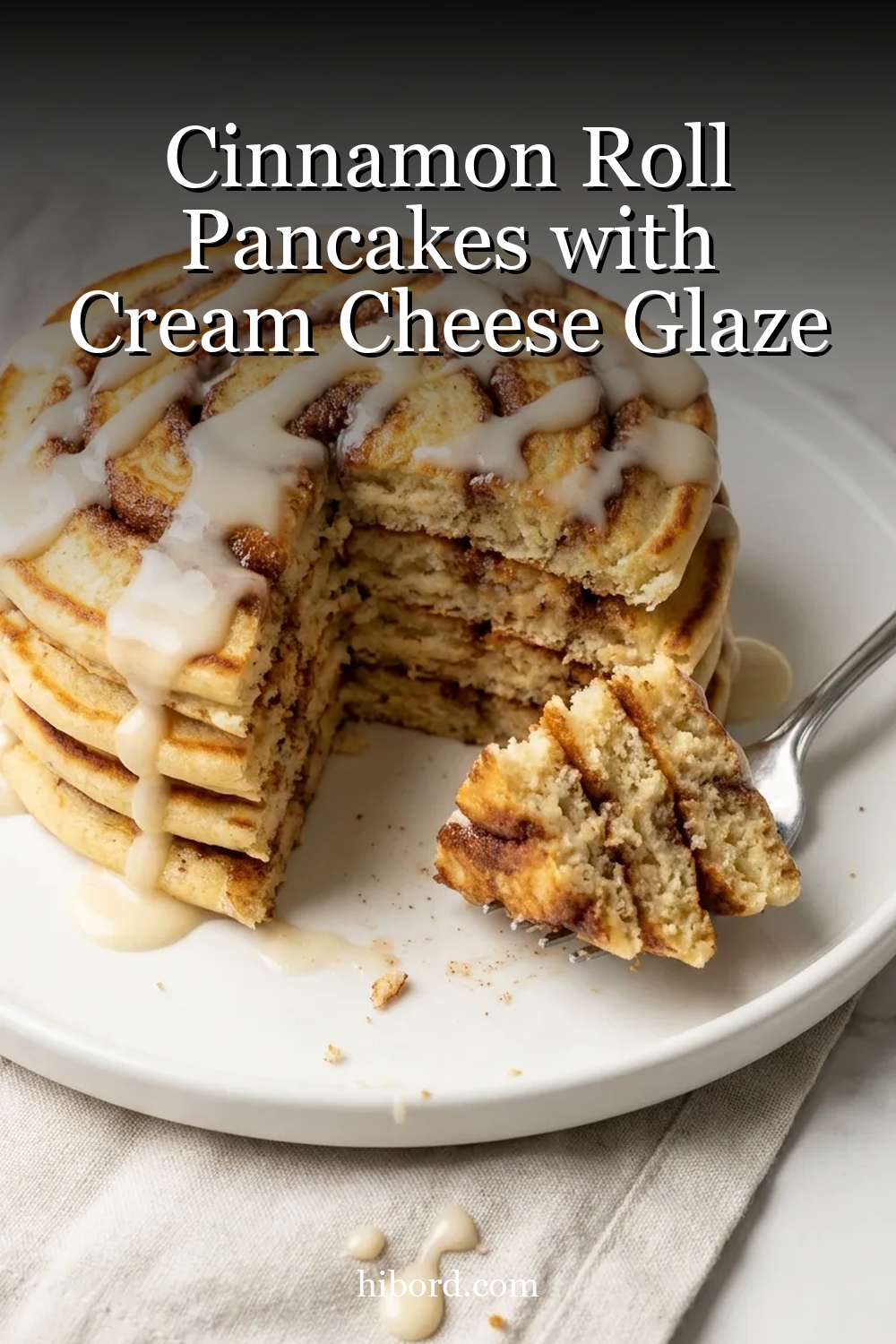
Cinnamon Roll Pancakes combine soft, fluffy buttermilk pancakes with buttery brown sugar-cinnamon spirals and a smooth cream cheese glaze. The cinnamon filling caramelizes against the skillet, creating sweet ribbons with lightly crisp edges throughout each stack.
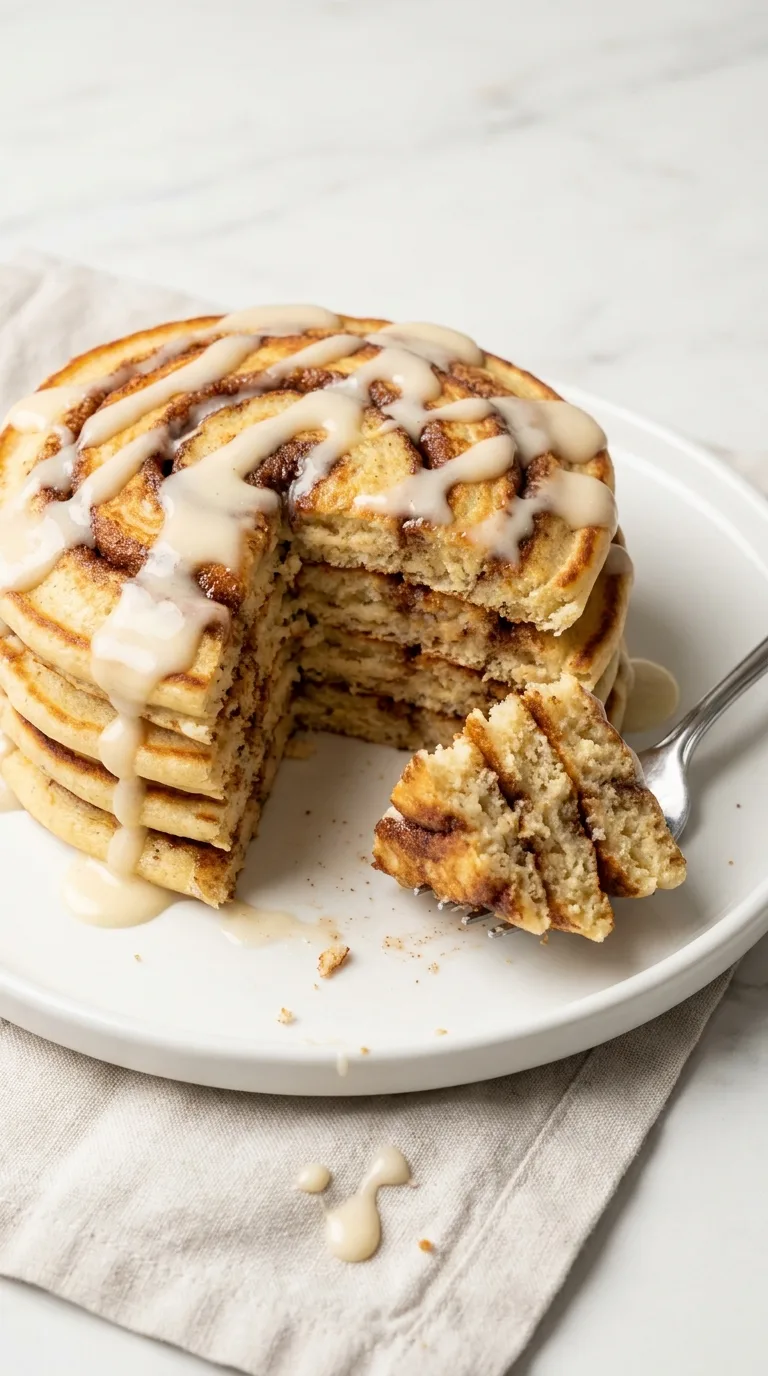
The batter rests for 10 minutes before cooking, which allows the flour to hydrate and helps the pancakes rise evenly. Cook them over medium-low heat and add the cinnamon swirl only after the batter begins setting so the sugar does not spread or burn.
Recipe at a Glance
- Prep Time: 20 minutes
- Cook Time: 25 minutes
- Additional Time: 10 minutes
- Total Time: 55 minutes
- Yield: 10 pancakes
- Servings: 5
- Difficulty: Intermediate
Why You'll Love This Recipe
- Buttermilk reacts with the baking soda to produce tender pancakes with a light, fluffy texture.
- Resting the batter gives the flour time to absorb moisture and reduces the need for additional mixing.
- A small amount of flour thickens the cinnamon filling so it holds a defined spiral rather than running across the skillet.
- Adding the swirl after the pancake surface begins to set keeps the filling inside the batter and limits scorching.
- Medium-low heat gives the centers time to cook before the brown sugar becomes too dark.
Equipment Needed
- Large mixing bowl
- Medium mixing bowl
- Small mixing bowl
- Whisk
- Flexible spatula
- Large nonstick skillet or electric griddle
- Thin, wide pancake turner
- Piping bag or sturdy zip-top bag
- Wire cooling rack or large baking sheet
Ingredients You'll Need
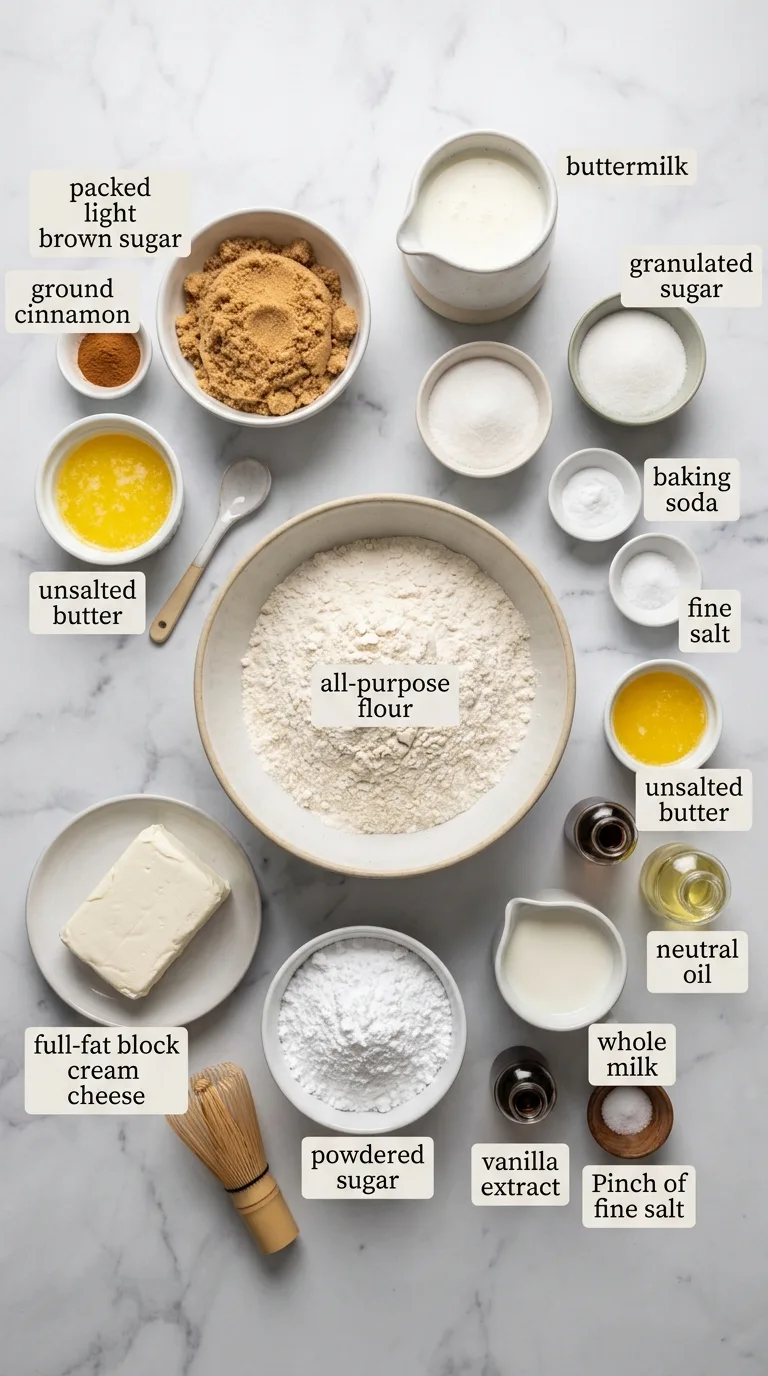
For the Cinnamon Swirl
- ⭐ 4 tablespoons (57 g) unsalted butter, melted and cooled until slightly thickened
- ⭐ 1/2 cup packed (100 g) light brown sugar
- ⭐ 1 tablespoon (8 g) ground cinnamon
- ⭐ 1 tablespoon (8 g) all-purpose flour
For the Pancakes
- ⭐ 2 cups (240 g) all-purpose flour
- ⭐ 2 tablespoons (25 g) granulated sugar
- ⭐ 2 teaspoons baking powder
- ⭐ 1/2 teaspoon baking soda
- ⭐ 1/2 teaspoon fine salt
- ⭐ 1 3/4 cups (420 ml) buttermilk, at room temperature
- ⭐ 2 large eggs, at room temperature
- ⭐ 4 tablespoons (57 g) unsalted butter, melted and cooled slightly
- ⭐ 1 teaspoon (5 ml) vanilla extract
- ⭐ 2 teaspoons (10 ml) neutral oil, divided, for the skillet
For the Cream Cheese Glaze
- ⭐ 4 ounces (115 g) full-fat block cream cheese, softened
- ⭐ 1 cup (120 g) powdered sugar, sifted if lumpy
- ⭐ 2 tablespoons (30 ml) whole milk, plus more as needed
- ⭐ 1/2 teaspoon (2.5 ml) vanilla extract
- ⭐ Pinch of fine salt
How to Make Cinnamon Roll Pancakes with Cream Cheese Glaze
Make the Cinnamon Filling
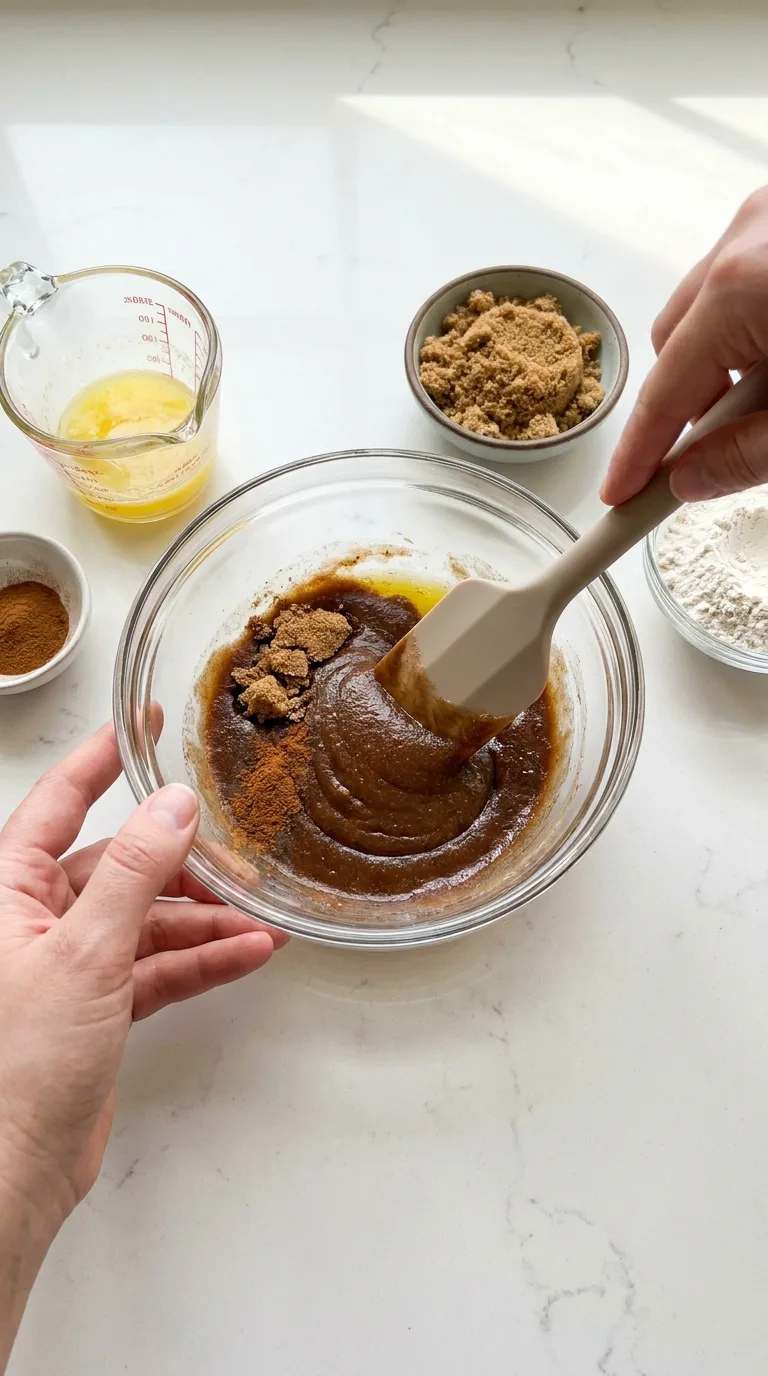
In a small bowl, stir together the melted butter, brown sugar, cinnamon, and flour until smooth. Let the mixture stand for about 5 minutes, until slightly thickened but still pipeable. This resting time allows the filling to achieve the right consistency for piping.
Fill the Piping Bag
Transfer the cinnamon mixture to a piping bag or sturdy zip-top bag. Press out excess air and seal the bag. Set it aside with the tip uncut while making the pancake batter. Keeping the tip uncut prevents the filling from leaking out prematurely.
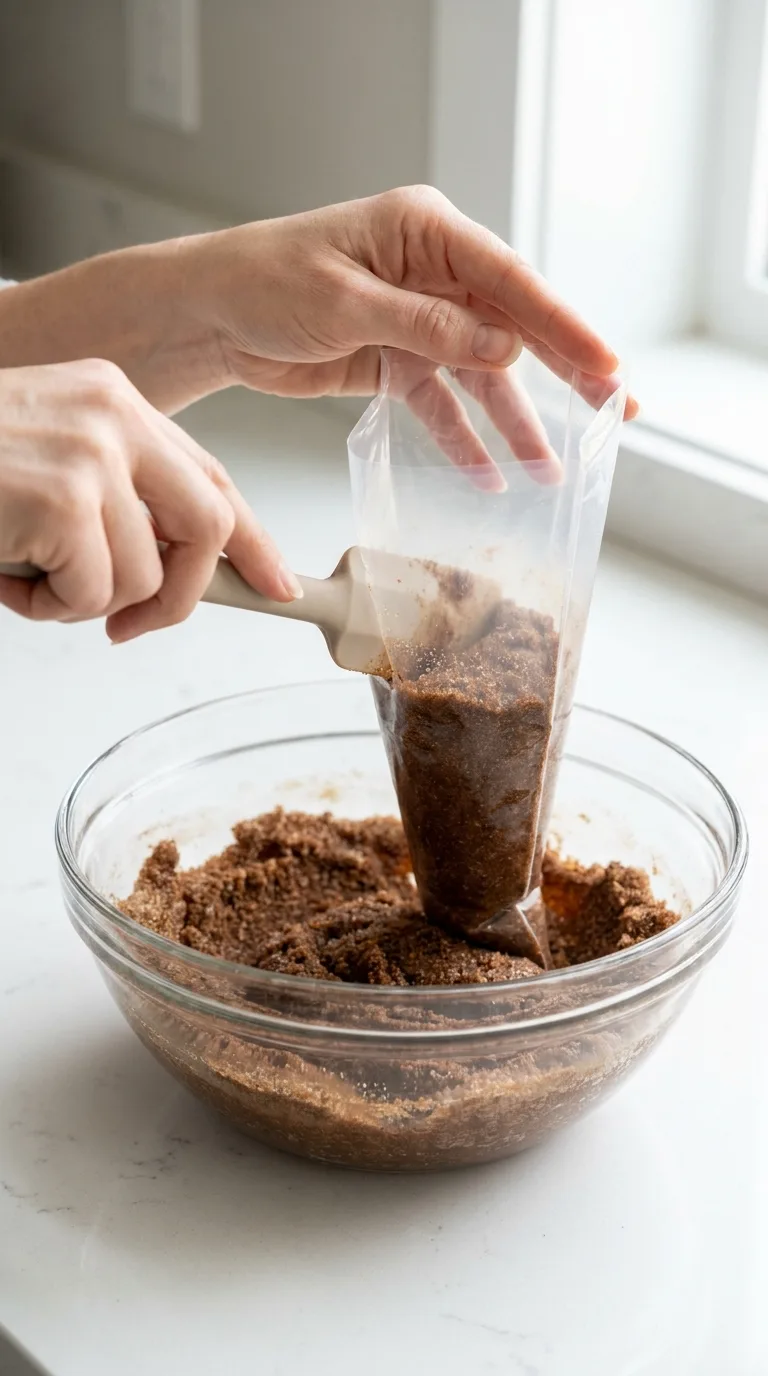
Combine the Dry Ingredients
In a large bowl, whisk together the flour, granulated sugar, baking powder, baking soda, and salt. Break up any compacted flour and distribute the leavening evenly. This ensures that the pancakes rise properly and have a consistent texture.
Mix the Wet Ingredients
In a medium bowl, whisk the buttermilk, eggs, melted butter, and vanilla until smooth and evenly blended. Mixing these ingredients well is crucial for achieving a uniform batter.
Make the Pancake Batter
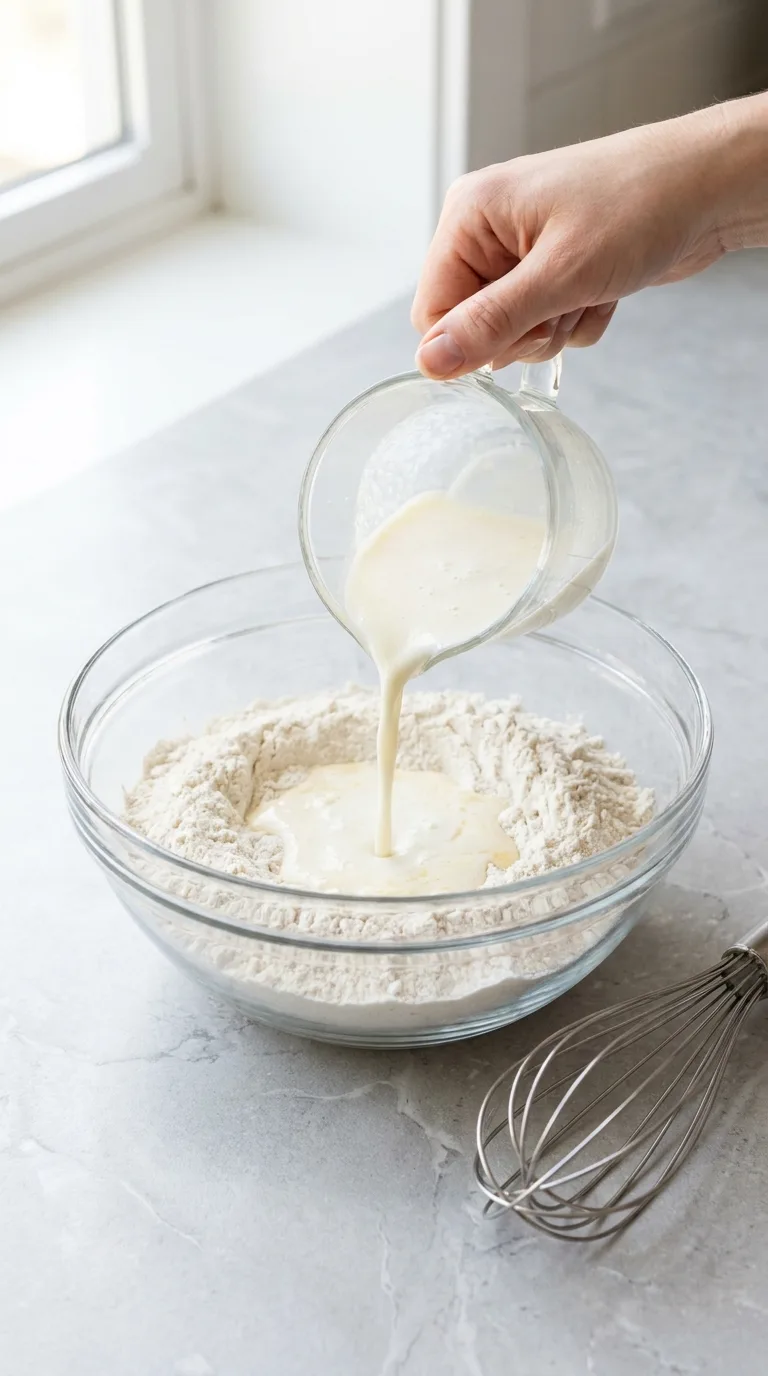
Pour the wet ingredients into the dry mixture. Fold gently with a flexible spatula just until no large dry pockets remain. Small lumps are expected. The batter should be thick but pourable; overmixing can make the pancakes tough. This gentle folding helps maintain the lightness of the pancakes.
Rest the Batter
Let the batter stand at room temperature for 10 minutes. It should become slightly thicker and show small bubbles across the surface. Do not stir it vigorously after resting, as this can deflate the batter and affect the pancake’s fluffiness.
Prepare the Skillet
Heat a large nonstick skillet or griddle over medium-low heat. Add about 1/2 teaspoon of the neutral oil and wipe it into a very thin layer. The pan is ready when a drop of water sizzles gently rather than evaporating immediately. This ensures the pancakes cook evenly without sticking.
Cut the Piping-Bag Tip
Snip a small opening, approximately 1/8 inch (3 mm), from one corner of the bag. A large opening can release too much filling and create thick areas that burn before the pancake cooks. Controlling the size of the opening helps maintain the integrity of the cinnamon swirl.
Portion the Pancakes
Scoop about 1/3 cup (80 ml) of batter onto the skillet for each pancake. Leave several inches between them so they are easy to turn. Cook only two or three at a time unless using a large griddle. This spacing prevents the pancakes from merging and ensures even cooking.
Add the Cinnamon Spiral
Cook for 1 to 2 minutes, until bubbles appear near the edges and the surface begins to lose its wet shine. Pipe a thin cinnamon spiral over each pancake, starting near the center and stopping at least 1/2 inch (1.25 cm) from the edge. This technique keeps the filling contained within the pancake.
Flip Carefully
Continue cooking for about 30 seconds, then slide a thin spatula fully beneath each pancake. Turn it quickly but gently. Cook the cinnamon side for 1 to 2 minutes, until the pancake is cooked through and the swirl is caramelized but not burned. Flipping too early can cause the pancake to break apart.
Remove and Clean the Skillet
Transfer the pancakes to a wire rack or baking sheet with the cinnamon side facing upward. Carefully wipe caramelized sugar from the skillet with a damp paper towel held in tongs before starting the next batch. Add another thin coating of oil as needed. This cleaning step prevents burnt bits from affecting the next pancakes.
Cook the Remaining Pancakes
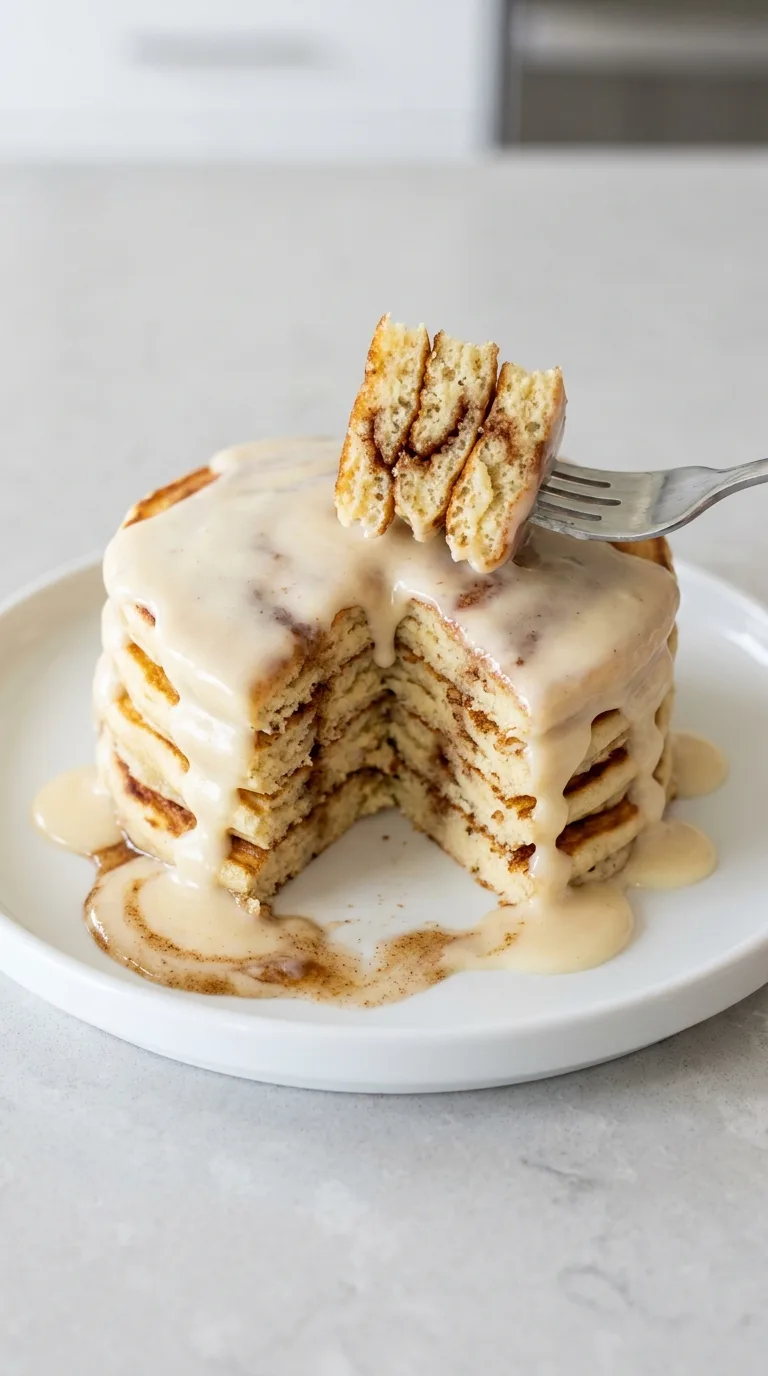
Repeat with the remaining batter and filling, adjusting the heat if the cinnamon begins darkening too quickly. The pancakes should be golden, spring back lightly in the center, and show no wet batter along the edges. This ensures that all pancakes are cooked evenly and have a nice appearance.
Make the Cream Cheese Glaze
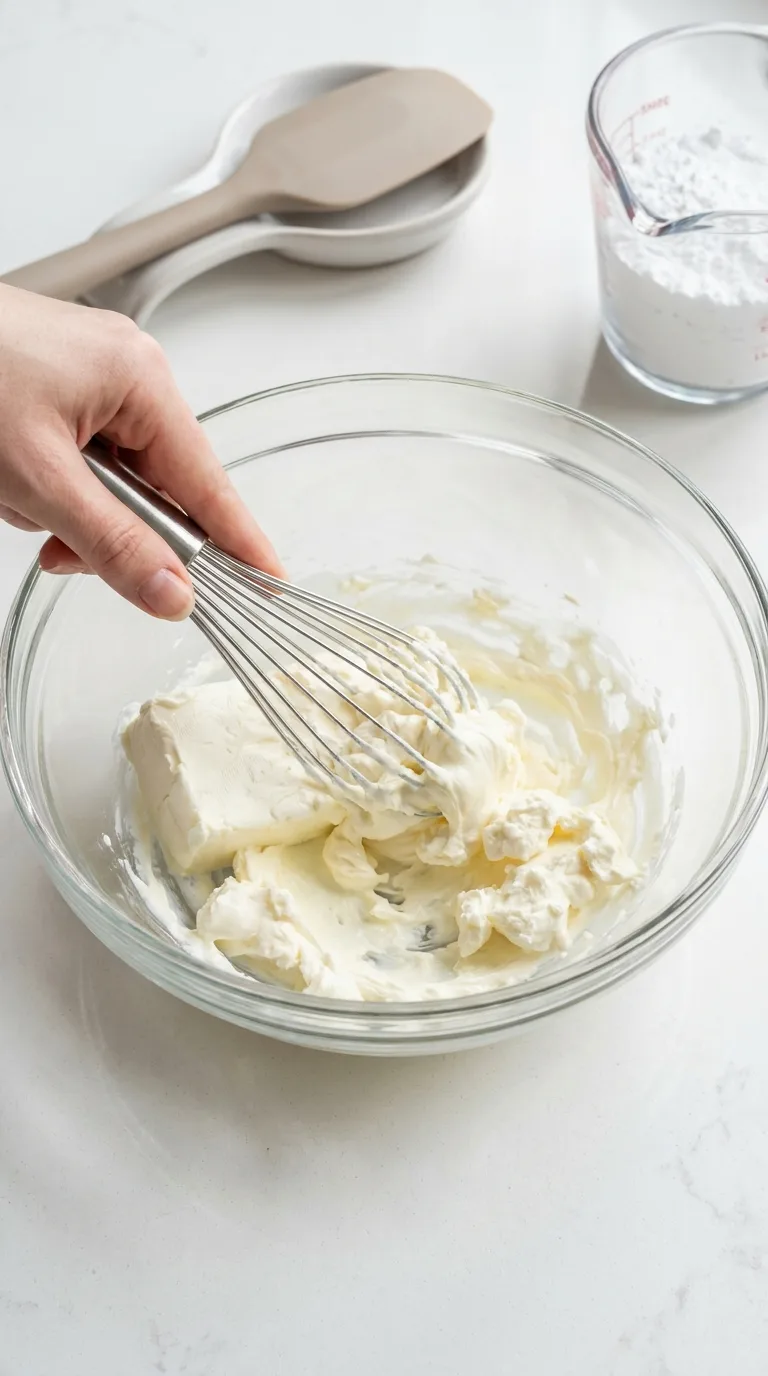
Beat the softened cream cheese until smooth. Add the powdered sugar, milk, vanilla, and salt, then whisk until the glaze is thick but pourable. Add additional milk 1 teaspoon (5 ml) at a time if needed. The glaze should be smooth enough to drizzle but thick enough to stay on the pancakes.
Glaze and Serve
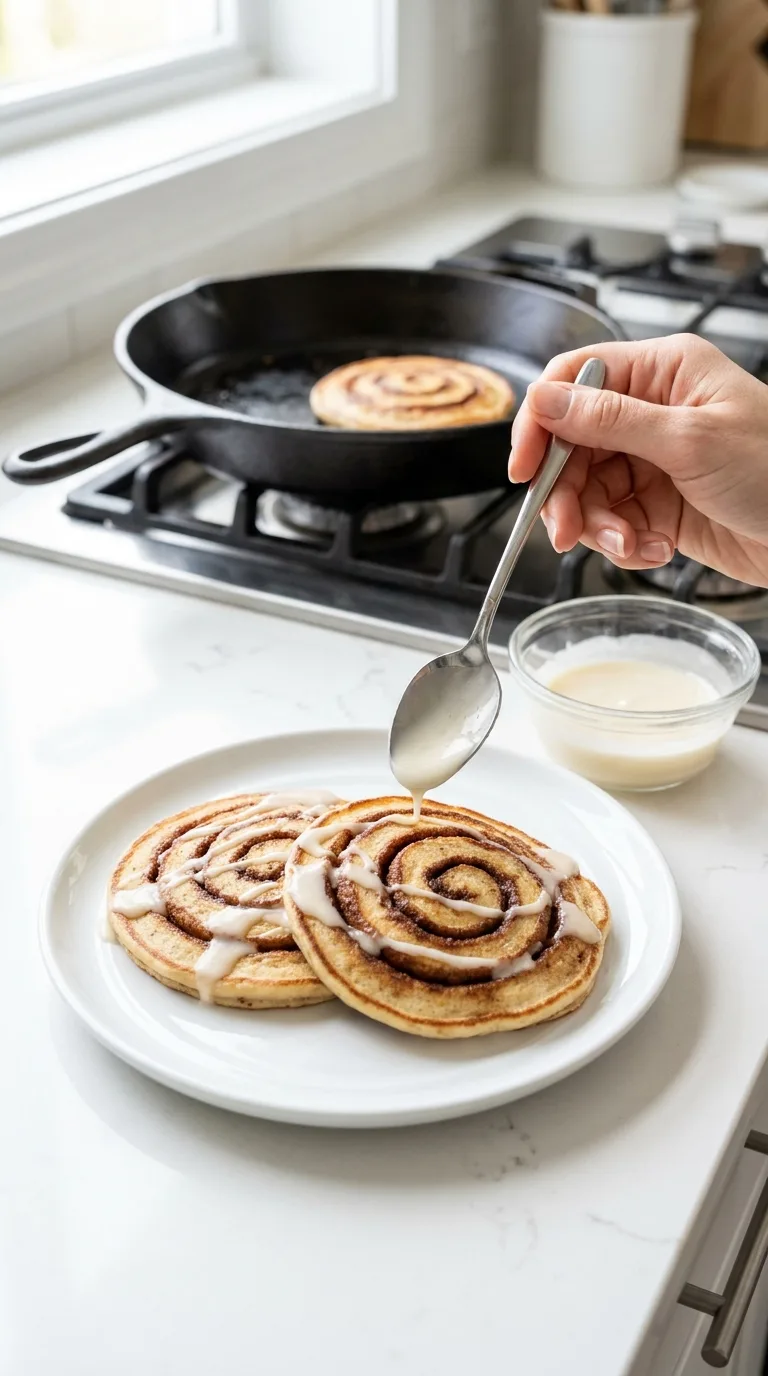
Arrange two warm pancakes on each plate with the cinnamon sides facing upward. Drizzle with the cream cheese glaze and serve immediately. Serving them warm enhances the flavors and texture of the pancakes.
Tips for Success
- Use medium-low heat. Brown sugar darkens faster than plain pancake batter, so high heat can burn the swirl before the center sets.
- Wipe the pan between batches. Leftover caramelized sugar can burn and attach bitter spots to the next pancakes.
- Flip only after the edges look set and bubbles begin breaking across the surface.
- Keep finished pancakes in a 200°F (95°C) oven for up to 20 minutes if serving the full batch at once. Arrange them in a single layer when possible so the cinnamon surfaces do not stick together.
Storage, Freezing, and Make-Ahead Instructions
Store cooled pancakes and cream cheese glaze in separate airtight containers. Refrigerate the pancakes for up to 4 days and the glaze for up to 4 days. Do not stack warm pancakes because the trapped steam can make them sticky.
Reheat pancakes in a single layer on a parchment-lined baking sheet at 325°F (165°C) for 6 to 8 minutes. They can also be microwaved in 15-second intervals, though the cinnamon surface will be softer. Warm the glaze briefly at room temperature and stir before serving.
To freeze, let the pancakes cool completely and place parchment paper between them. Store in a freezer-safe container for up to 2 months. Thaw overnight in the refrigerator or reheat directly from frozen at 325°F (165°C) for 10 to 12 minutes.
The cinnamon filling and glaze can be prepared up to 1 day in advance and refrigerated separately. Let the cinnamon mixture soften until pipeable before cooking. Mix the pancake batter shortly before use because the leavening begins reacting as soon as the wet and dry ingredients are combined.
FAQ
Can I make Cinnamon Roll Pancakes ahead of time?
Yes. Cook and refrigerate the pancakes for up to 4 days, keeping the cream cheese glaze separate. Reheat the pancakes in the oven for the best texture and add the glaze just before serving.
Why did the cinnamon swirl burn?
The skillet may have been too hot, the swirl may have been too thick, or caramelized sugar may have remained from an earlier batch. Use medium-low heat, pipe a thin spiral, and wipe the pan clean between batches.
Why did the cinnamon filling run out of the pancakes?
The filling may have been too warm or added before the pancake surface began setting. Let it thicken slightly and wait until bubbles form around the edges before piping the spiral.
Can I use pancake mix?
Yes, prepare enough pancake mix to make approximately 10 four-inch pancakes, then use the cinnamon filling and glaze as written. Choose a thick batter so the swirl does not sink or spread excessively.
Can I make the pancakes without cream cheese glaze?
Yes. Serve them with maple syrup, powdered sugar, or a simple glaze made from powdered sugar, milk, and vanilla. The flavor will be less tangy but still complement the cinnamon filling.
Ingredients
Method
- In a small bowl, stir together the melted butter, brown sugar, cinnamon, and flour until smooth. Let the mixture stand for about 5 minutes, until slightly thickened but still pipeable.
- Transfer the cinnamon mixture to a piping bag or sturdy zip-top bag. Press out excess air and seal the bag. Set it aside with the tip uncut while making the pancake batter.
- In a large bowl, whisk together the flour, granulated sugar, baking powder, baking soda, and salt. Break up any compacted flour and distribute the leavening evenly.
- In a medium bowl, whisk the buttermilk, eggs, melted butter, and vanilla until smooth and evenly blended.
- Pour the wet ingredients into the dry mixture: Fold gently with a flexible spatula just until no large dry pockets remain. Small lumps are expected. The batter should be thick but pourable; overmixing can make the pancakes tough.
- Let the batter stand at room temperature for 10 minutes. It should become slightly thicker and show small bubbles across the surface. Do not stir it vigorously after resting.
- Heat a large nonstick skillet or griddle over medium-low heat. Add about 1/2 teaspoon of the neutral oil and wipe it into a very thin layer. The pan is ready when a drop of water sizzles gently rather than evaporating immediately.
- Snip a small opening, approximately 1/8 inch (3 mm), from one corner of the bag. A large opening can release too much filling and create thick areas that burn before the pancake cooks.
- Scoop about 1/3 cup (80 ml) of batter onto the skillet for each pancake. Leave several inches between them so they are easy to turn. Cook only two or three at a time unless using a large griddle.
- Cook for 1 to 2 minutes, until bubbles appear near the edges and the surface begins to lose its wet shine. Pipe a thin cinnamon spiral over each pancake, starting near the center and stopping at least 1/2 inch (1.25 cm) from the edge.
- Continue cooking for about 30 seconds, then slide a thin spatula fully beneath each pancake. Turn it quickly but gently. Cook the cinnamon side for 1 to 2 minutes, until the pancake is cooked through and the swirl is caramelized but not burned.
- Transfer the pancakes to a wire rack or baking sheet with the cinnamon side facing upward. Carefully wipe caramelized sugar from the skillet with a damp paper towel held in tongs before starting the next batch. Add another thin coating of oil as needed.
- Repeat with the remaining batter and filling, adjusting the heat if the cinnamon begins darkening too quickly. The pancakes should be golden, spring back lightly in the center, and show no wet batter along the edges.
- Beat the softened cream cheese until smooth: Add the powdered sugar, milk, vanilla, and salt, then whisk until the glaze is thick but pourable. Add additional milk 1 teaspoon (5 ml) at a time if needed.
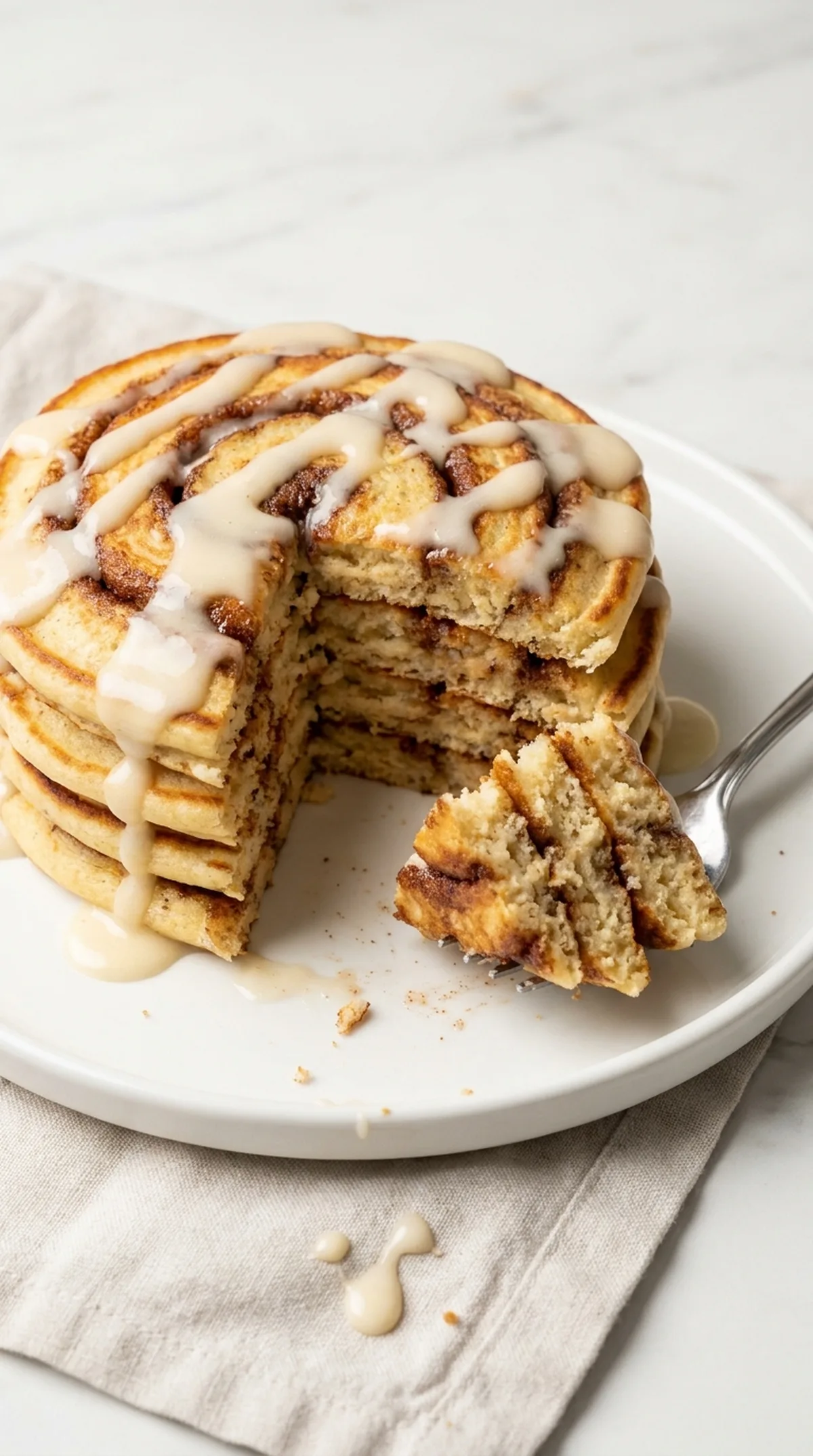
- Arrange two warm pancakes on each plate with the cinnamon sides facing upward. Drizzle with the cream cheese glaze and serve immediately.